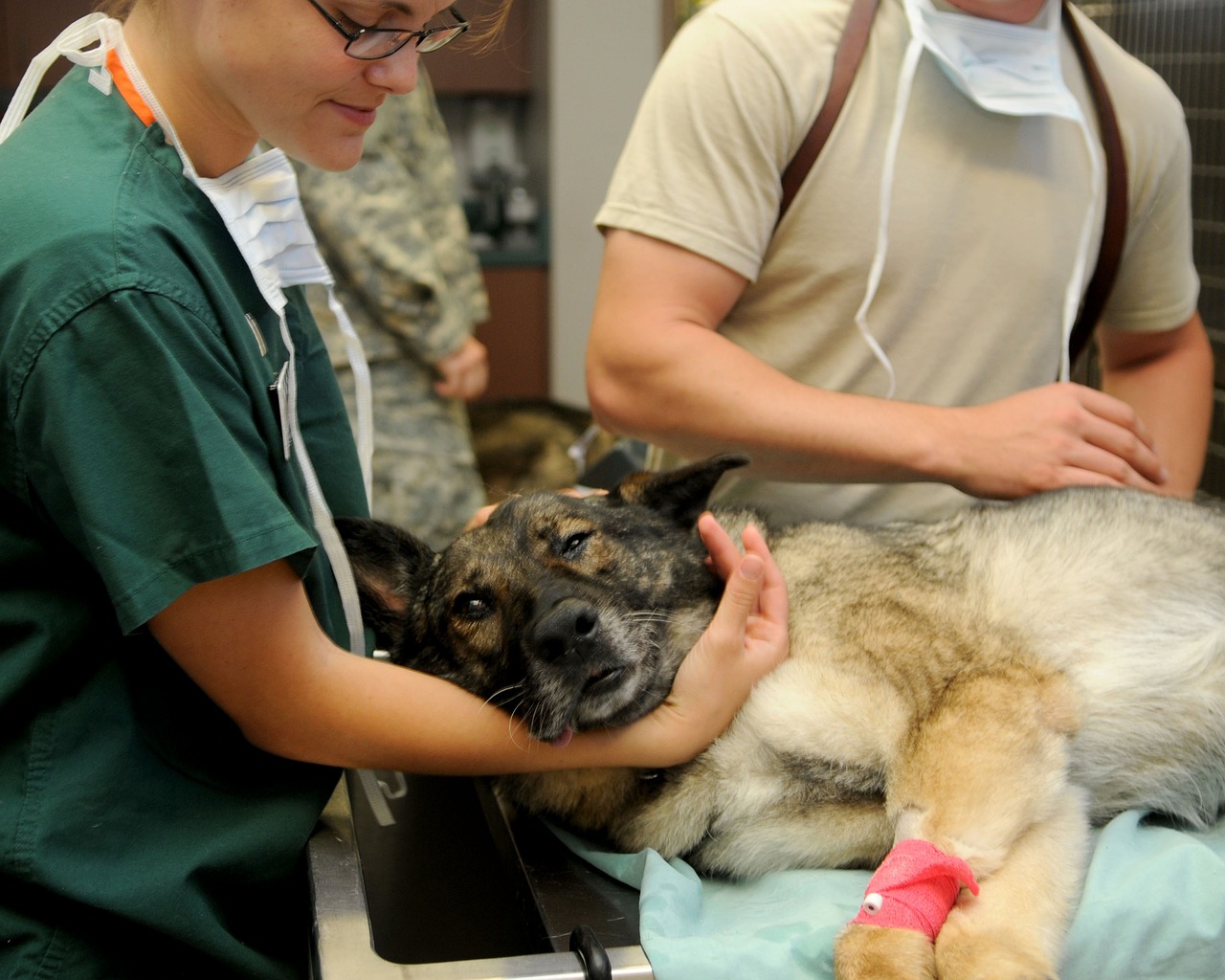
Ticks are more than just a nuisance; they pose a significant health risk to both pets and humans. Recent studies reveal that some ticks can survive indoors longer than previously believed. This insight is critical for veterinary clinics as they address tick control and prevention strategies. Understanding tick behavior not only improves patient care but enhances operational efficiency through effective client education.
Understanding Tick Behavior
Ticks require three hosts during their life cycle, including larvae, nymph, and adult stages. They can survive without a blood meal for extended periods. In fact, some species can live for years without feeding. Indoor environments provide ticks with suitable conditions. These factors include humidity, temperature, and access to host animals, which make understanding tick survival crucial for all veterinary roles.
- Ticks thrive in warm, humid environments.
- Indoor areas can become breeding grounds for ticks if pets are not treated.
- Understanding their life cycle helps in devising effective prevention strategies.
The Importance of Tick Prevention
Veterinarians, particularly those in urgent care or critical care, often encounter patients with tick-borne diseases. Conditions such as Lyme disease and anaplasmosis require timely diagnosis and intervention. Therefore, educating clients about tick prevention becomes essential. Simple measures can make a significant difference in patient outcomes.
Veterinary clinics should encourage pet owners to:
- Use vet-recommended tick prevention products consistently.
- Conduct regular tick checks, especially after outdoor activities.
- Maintain a clean environment to minimize tick habitats.
Operational Challenges Across Veterinary Roles
Each veterinary role faces unique challenges regarding tick-related health issues. For instance, a shelter veterinarian must address tick control in multiple animals with varying health statuses. In contrast, a mixed animal veterinarian may provide varied recommendations based on the species they treat.
Additionally, factors such as employee training in tick prevention protocols can increase operational efficiency. General practice veterinarians can implement educational programs to empower pet owners. This proactive approach can mitigate the burden of tick infestations in their clinics.
Current Trends in Tick Control
Innovations in tick control technology are emerging at a faster pace. New topical treatments and oral medications offer extended protection for pets. Moreover, integrating client reminder systems can improve compliance with tick prevention recommendations. Effective communication about these advancements enhances veterinary practices and bolsters patient care.
Veterinarians can leverage digital platforms to disseminate information about the latest tick prevention strategies. Social media, newsletters, and educational webinars are excellent tools for keeping clients informed.
Conclusion
In summary, understanding tick survival in homes is vital for veterinary clinics aiming to enhance patient care and operational efficiency. Empowering clients with knowledge about tick behavior and prevention strategies can have far-reaching effects on pet health and public safety. At Pulivarthi Group, we recognize the importance of having skilled veterinary professionals to address these challenges. Whether you need an Associate Veterinarian, General Practice Veterinarian, or a Board-Certified Veterinary Internal Medicine Specialist (DACVIM), we provide access to top talent that can help elevate your veterinary practice. Partner with us to ensure you have the right team in place to tackle these pressing concerns effectively.