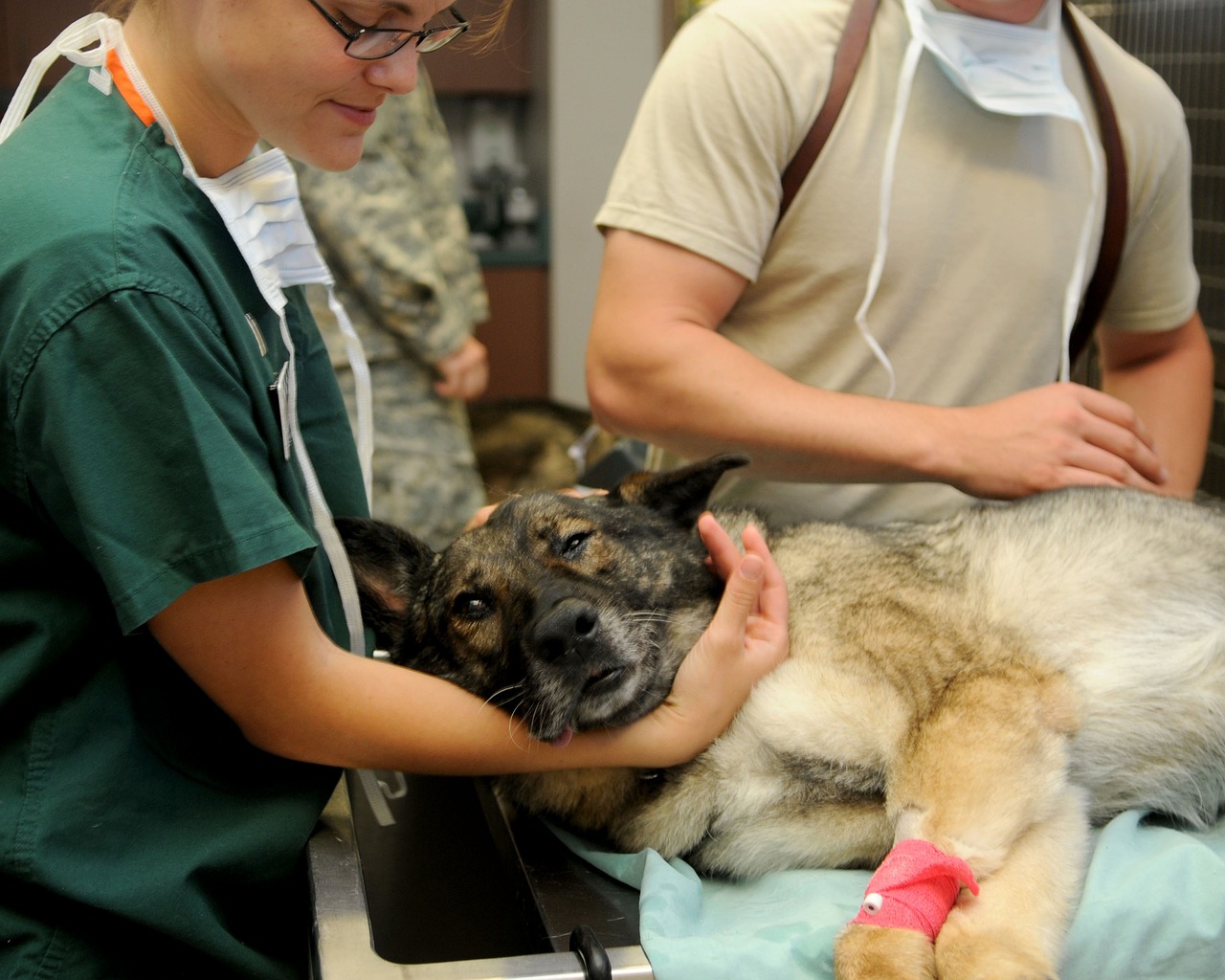
Leptospirosis is spreading silently among pets in North America, posing significant risks to their health and well-being. Veterinary clinics must be prepared to combat this increasing threat. Understanding the transmission routes and risk factors associated with Leptospirosis is essential for effective patient care. This blog aims to provide veterinarians, clinical staff, and practice owners with critical insights into this emergent issue. One crucial aspect of addressing this issue is recognizing leptospirosis symptoms in dogs, which can range from mild to severe. Early identification of these signs can lead to timely intervention, ultimately improving the chances of recovery. As veterinarians increase awareness and educate pet owners, the overall risk of transmission can be significantly reduced.
Understanding Leptospirosis
Leptospirosis is a bacterial infection caused by various species of the Leptospira bacteria. It primarily spreads through contact with contaminated water, soil, or infected animals. Pets, especially dogs, are at risk when they come into contact with these surfaces, particularly in rural or urban areas with poor drainage. The rise in cases and outbreaks emphasizes the need for veterinarians and clinic staff to educate themselves about this disease.
Transmission Routes and Risk Factors
The transmission of Leptospirosis occurs primarily through the following routes:
- Contact with contaminated water sources.
- Direct contact with infected wildlife, such as rodents.
- Exposure to soil that has been contaminated by infected urine.
Risk factors include geographic area, environment, and the presence of susceptible animals. For instance, areas with flooding or high rodent populations are more likely to see cases of Leptospirosis. Pet owners in these regions must be informed about the potential dangers, making it imperative for veterinary professionals to communicate these risks effectively.
Clinical Signs and Diagnosis
Leptospirosis can present with varied clinical signs ranging from mild to severe. Common symptoms include:
- Fever
- Vomiting
- Diarrhea
- Lethargy
- Muscle pain
In severe cases, kidney and liver failure may occur. Early recognition is crucial for effective treatment. Veterinarians should consider Leptospirosis in their differential diagnoses, especially in pets with unexplained symptoms. Diagnostic tests include serology or PCR testing, which identify the presence of antibodies or the bacteria itself.
Preventive Measures for Clinics
Veterinary clinics play a vital role in the prevention and management of Leptospirosis. Here are essential measures to reduce risks:
- Educate pet owners about the importance of vaccination against Leptospirosis.
- Implement routine screening for dogs in high-risk areas.
- Encourage clients to avoid exposing their pets to standing water.
In addition, strengthening clinic protocols to manage high-risk cases will further enhance patient care. This may involve updating intake forms to include questions about exposure risks and recommending early vaccination for at-risk breeds or animals in endemic areas.
Implications for Veterinary Staffing
As awareness of Leptospirosis continues to grow, veterinary clinics must also address staffing needs. This disease underscores the importance of having skilled veterinarians who are knowledgeable about infectious diseases and their management. Positions such as Associate Veterinarians, Emergency Veterinarians, and specialists in Veterinary Internal Medicine may become increasingly important in providing comprehensive care for affected pets.
Additionally, practice owners should consider training staff in preventive health measures. This approach not only improves patient outcomes but also fosters strong client relationships, as pet owners appreciate proactive care and advice from their veterinary teams.
Conclusion
Leptospirosis is a pressing concern for veterinary clinics across North America. By understanding its transmission, recognizing clinical signs, and implementing preventive measures, veterinary professionals can significantly improve patient outcomes. Pulivarthi Group is committed to helping veterinary clinics access the skilled talent they need, from General Practice Veterinarians to Board-Certified Veterinary Internal Medicine Specialists (DACVIM) and more. Together, we can enhance the health and safety of our pets while navigating the complexities of veterinary care.