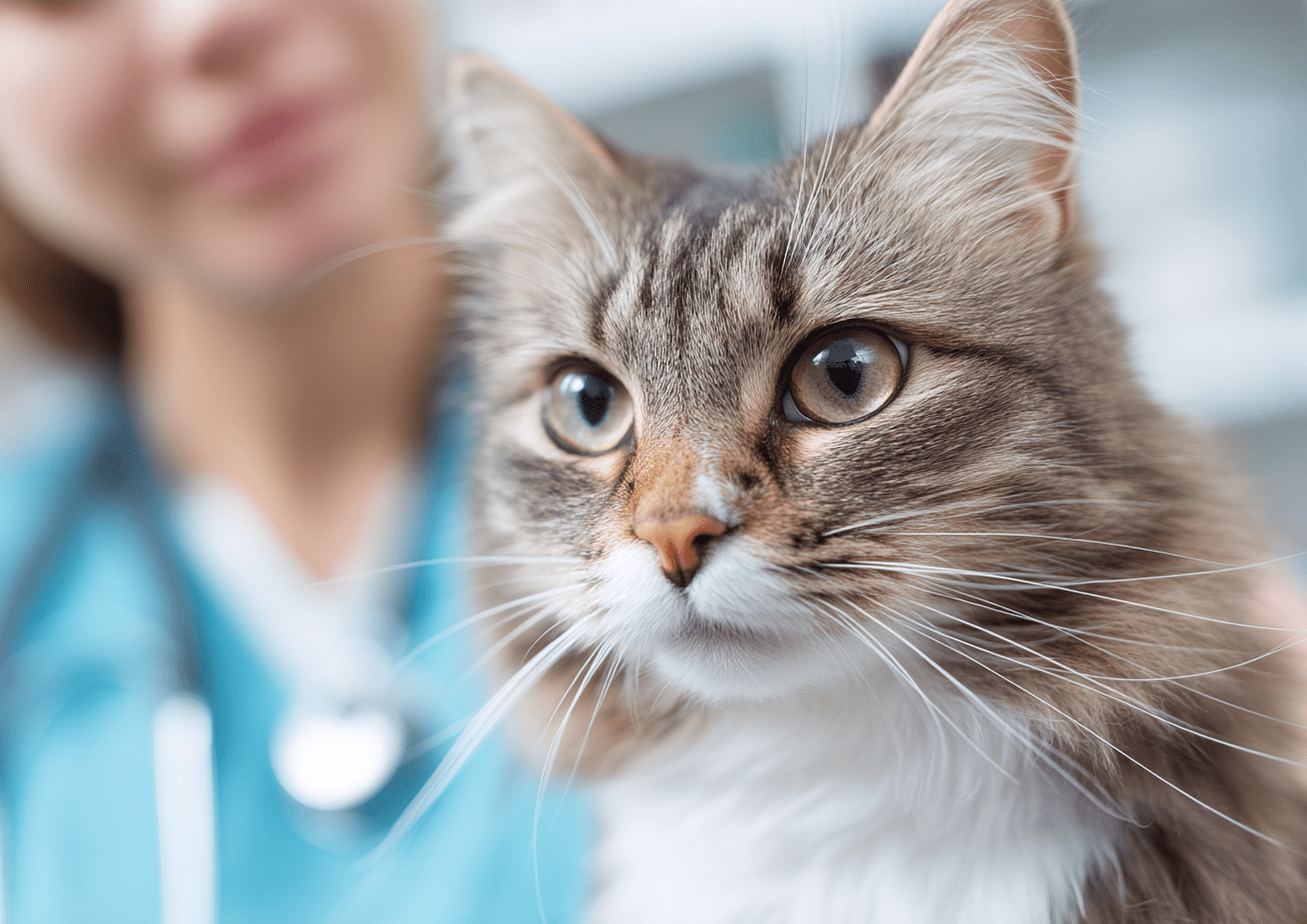
The importance of the intestinal microbiome in pets cannot be overstated. This intricate ecosystem of microorganisms plays a crucial role in overall health and well-being. Recently, veterinary clinics have increasingly recognized the links between intestinal microbiome health and various conditions such as chronic enteropathy and other gastrointestinal disorders. Understanding these connections is essential for veterinarians, clinical staff, and practice managers as they navigate the complexities of patient care.
Microbiome and Dysbiosis: A Veterinary Perspective
The intestinal microbiome consists of trillions of microbial cells, which serve essential functions in digestion, immune response, and metabolic processes. Dysbiosis refers to an imbalance in this microbial community, often resulting in acute or chronic enteropathy in pets. For Associate Veterinarians and general practice professionals, recognizing symptoms such as persistent diarrhea, vomiting, and weight loss is vital. These issues often require a multi-faceted approach, including dietary adjustments and therapeutic interventions.
Identifying Dysbiosis in Pets
Vets often face challenges in diagnosing dysbiosis, especially when clinical signs present as vague gastrointestinal distress. To effectively manage these conditions, practitioners should consider:
- Comprehensive stool analysis to assess microbial diversity.
- Reviewing dietary history for potential allergens or irritants.
- Developing a targeted treatment plan based on individual patient needs.
This approach requires collaboration among all clinical staff members. For example, veterinary technicians can play a key role in gathering detailed dietary histories during consultations.
The Role of Diet in Microbiome Management
Dietary interventions are crucial for managing dysbiosis. Clinicians must educate pet owners on the significance of high-quality diets rich in prebiotics and probiotics. These nutrients support the growth of beneficial bacteria and help restore balance to the intestinal microbiome. Emergency Veterinarians and those working in urgent care settings should be adept at recommending immediate dietary changes that can alleviate acute symptoms while addressing underlying microbiome issues. These might include:
- Transitioning to hypoallergenic or novel protein diets.
- Incorporating probiotics into treatment protocols.
- Monitoring food intake and reaction closely to pinpoint triggers.
Exploring Therapeutic Interventions for Chronic Enteropathy
For pets suffering from chronic enteropathy, more intensive therapeutic strategies may be required. Options include:
- Medication to manage inflammation or infection.
- Close monitoring and follow-up assessments to modify treatment plans.
In addition to these treatments, the role of Veterinary Internal Medicine Specialists cannot be overlooked. Specialists possess advanced knowledge that can significantly enhance diagnostic accuracy and treatment efficacy for dysbiosis-related conditions.
Trends in Veterinary Medicine Related to the Microbiome
As awareness of the intestinal microbiome grows, so does research in related areas. Veterinary professionals should stay informed on emerging trends such as fecal microbiota transplantation (FMT) for dogs with severe dysbiosis. This innovative approach could revolutionize how veterinarians manage chronic enteropathies.
Workforce Insights: Meeting the Challenges of Dysbiosis Management
The increasing complexity of pet health care requires a skilled workforce. Veterinary clinics often face staffing challenges, especially for specialized roles like Board-Certified Veterinary Internal Medicine Specialists (DACVIM). Clinics may encounter difficulty accessing talent with expertise in microbiome management, particularly as the demand for such knowledge grows.
To address these workforce challenges, clinic owners and managers should consider tailored recruitment strategies. This includes building partnerships with staffing agencies specializing in veterinary recruitment. Such partnerships can help clinics secure qualified professionals capable of navigating the intricacies of dysbiosis and other gastrointestinal disorders effectively.
Conclusion
Understanding the role of the intestinal microbiome in pets is vital for effective patient care in veterinary clinics. As practitioners invest time and resources into diagnosing and treating dysbiosis, they must also navigate staffing challenges to ensure competent care delivery. Pulivarthi Group is a valuable partner in this regard, offering access to a diverse talent pool that includes specialists across multiple veterinary disciplines. By enhancing workforce capabilities, clinics can better address the complexities of pet health, improving outcomes for patients suffering from gastrointestinal challenges.