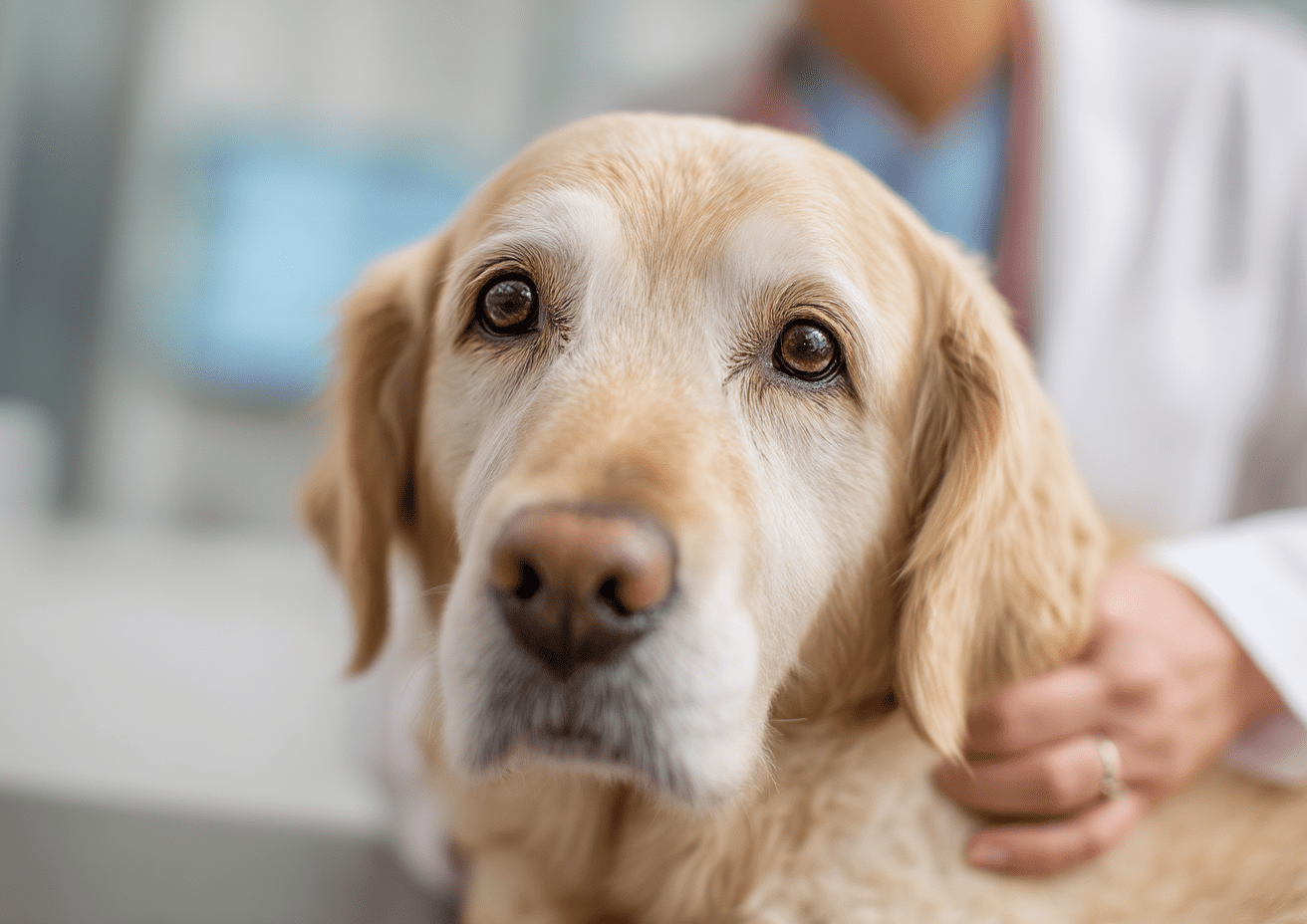
The proposed Healthy Dog Importation Act aims to strengthen regulations regarding dog imports in the United States. With an increasing number of dogs being imported each year, the need for robust oversight has never been more pressing. As clinical professionals, veterinarians, and practice owners, it is crucial to understand the implications of this act on our patients and practices.
Understanding the Legislative Landscape
The Healthy Dog Importation Act addresses a significant challenge: the potential introduction of diseases through imported dogs. This act seeks to enhance federal oversight of canine imports, thereby contributing to disease prevention. The growing number of canine imports, without comprehensive checks, raises public health concerns.
Veterinary clinics, especially those involved in emergency and critical care, encounter various diseases that stem from imported dogs. For instance, an urgent care veterinarian might see cases of canine influenza or leptospirosis, which could be linked to these poorly regulated imports.
Key Challenges for Veterinary Clinics
Veterinary clinics face unique challenges due to the rising rates of dog imports that lack proper health certifications. Here are some critical issues to consider:
- Disease Prevention: Without stringent import regulations, diseases can spread rapidly, impacting both canine and human health.
- Regulatory Compliance: Clinics must stay informed about changing regulations to ensure compliance in their practice.
- Patient Care: Increased admissions related to imported dog diseases can strain resources in veterinary clinics.
What Does the Healthy Dog Importation Act Propose?
This act proposes several measures that could benefit the veterinary sector. These include mandatory health certifications for imported dogs and a more stringent tracking system for imports. By requiring health screenings and vaccinations, the act aims to reduce the incidence of disease transmission in domestic dog populations. This is particularly vital for general practice veterinarians who offer routine care and vaccinations.
Implications for Various Veterinary Roles
Understanding the implications of the Healthy Dog Importation Act can help veterinary professionals across various specialties:
- General Practice Veterinarians: They will play a vital role in educating pet owners about health risks associated with imported dogs.
- Emergency Veterinarians: They may see an increase in cases related to imported canine diseases, requiring quick interventions.
- Shelter and Community Medicine Veterinarians: They must ensure that imports are screened to prevent outbreaks among vulnerable populations.
How Can Veterinary Clinics Prepare?
Veterinary clinics should proactively adapt to the changes proposed by the Healthy Dog Importation Act. Implementing thorough patient screening processes can help mitigate risks. Additionally, practicing veterinarians should consider ongoing education about the implications of canine imports.
As the legislative discussions progress, it’s essential to advocate for responsible pet ownership. Raising awareness about the Health Dog Importation Act within your practice and community can foster a collaborative approach to improving canine health standards.
Conclusion
The Healthy Dog Importation Act is set to transform the landscape of canine importation in the United States. As veterinary professionals, it is our responsibility to stay informed and advocate for public health and animal well-being. At Pulivarthi Group, we understand the challenges that veterinary practices face. We provide access to skilled professionals across all specializations, helping clinics navigate the complexities of patient care and regulatory compliance. Together, we can enhance health standards and elevate veterinary practice in our communities.