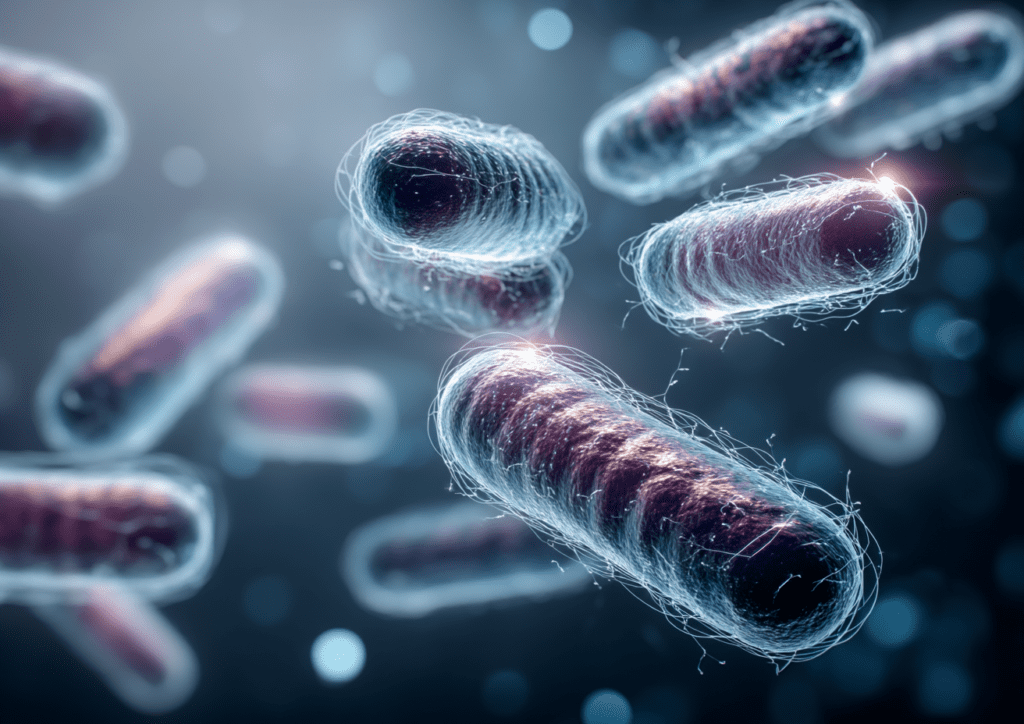
The gut microbiome plays a crucial role in the health of small animals, making it essential for veterinarians and clinical staff to understand its significance. This complex community of microorganisms not only supports digestion but also influences overall health, immune function, and even behavior. As a veterinary practice, being aware of the gut microbiome’s impact on animal health can enhance patient care and lead to better clinical outcomes.
What is the Gut Microbiome?
The gut microbiome encompasses trillions of microorganisms, including bacteria, viruses, fungi, and other microbes that inhabit the digestive tract of small animals. These organisms work symbiotically with their hosts, breaking down food and aiding in nutrient absorption. Additionally, they play a significant role in modulating the immune system and maintaining a balanced metabolic environment.
The Importance of Gut Health in Veterinary Practice
Understanding the gut microbiome is increasingly important for various veterinary specialties. For instance, General Practice Veterinarians can educate pet owners about diet modifications that promote a healthy microbiome. Urgent Care and Emergency Veterinarians often see cases linked to gastrointestinal disturbances, making gut health knowledge vital in acute settings. Critical Care Veterinarians must also consider microbiome status when treating patients with compromised immune systems.
Challenges in Recognizing Gut Microbiome Issues
Veterinary clinics often face challenges in recognizing and addressing gut microbiome issues. Many clinicians may not immediately connect symptoms like diarrhea, weight loss, or lethargy to microbiome imbalances. Moreover, the abundance of gastrointestinal disease presentations can complicate diagnosis. Therefore, a thorough understanding of the microbiome is essential for effective treatment plans.
- Why is the gut microbiome critical for overall animal health?
- How can veterinarians assess the microbiome status in patients?
- What are effective treatment options for microbiome-related health issues?
- When should a veterinary internal medicine specialist be consulted?
Practical Approaches to Enhancing Gut Health
Veterinarians can implement several strategies to maintain and enhance the gut microbiome in small animals. Firstly, diet plays a significant role. Incorporating probiotics and prebiotics can help establish a healthy microbiota. Additionally, reducing stress through behavioral interventions can further support gut health. Regular veterinary examinations enable early detection of gut-related issues, which is crucial for all roles, from Associate Veterinarians to Shelter Veterinarians.
Latest Trends in Gut Microbiome Research
Research on the gut microbiome is rapidly evolving, leading to various innovative approaches in veterinary medicine. Science is exploring new diagnostic tools and therapies aimed at understanding microbiome composition and functionality. For example, the development of tailored diets based on individual microbiome profiles could revolutionize pet healthcare. This insight not only enhances treatment outcomes but also aligns with the growing trend towards personalized medicine.
Implications for Veterinary Teams
Veterinarians and clinical staff must remain informed about the latest research on the gut microbiome. Consider regular team training sessions focused on this topic to enhance operational efficiency. Moreover, communication with pet owners about gut health can foster deeper relationships and trust, benefiting your practice in the long term. For instance, educate clients on the signs of microbiome disturbances, and empower them with actionable advice.
In conclusion, understanding the gut microbiome is a critical component of veterinary medicine. Its implications span various veterinary roles, enhancing patient care and operational efficiency. For clinics looking to adopt the latest scientific insights, collaborating with industry staffing experts can prove invaluable. Pulivarthi Group connects veterinary clinics with specialized talent, including Emergency and Urgent Care Veterinarians, Board-Certified Veterinary Internal Medicine Specialists, and more. Fostering a knowledgeable and capable team will ensure that your clinic meets the evolving challenges related to gut health in small animals.