In recent years, there has been a growing interest in how pet food additives and ultraprocessed foods affect pet health. This trend poses challenges for veterinary clinics as they navigate client concerns about nutrition and the safety of food ingredients. With an increasing amount of information available, veterinarians must stay informed about the implications of these foods. Clients are more conscious of what goes into their pets’ diets than ever, prompting discussions that require veterinarians to have a sound nutritional knowledge base.
Understanding the Concerns Surrounding Food Additives
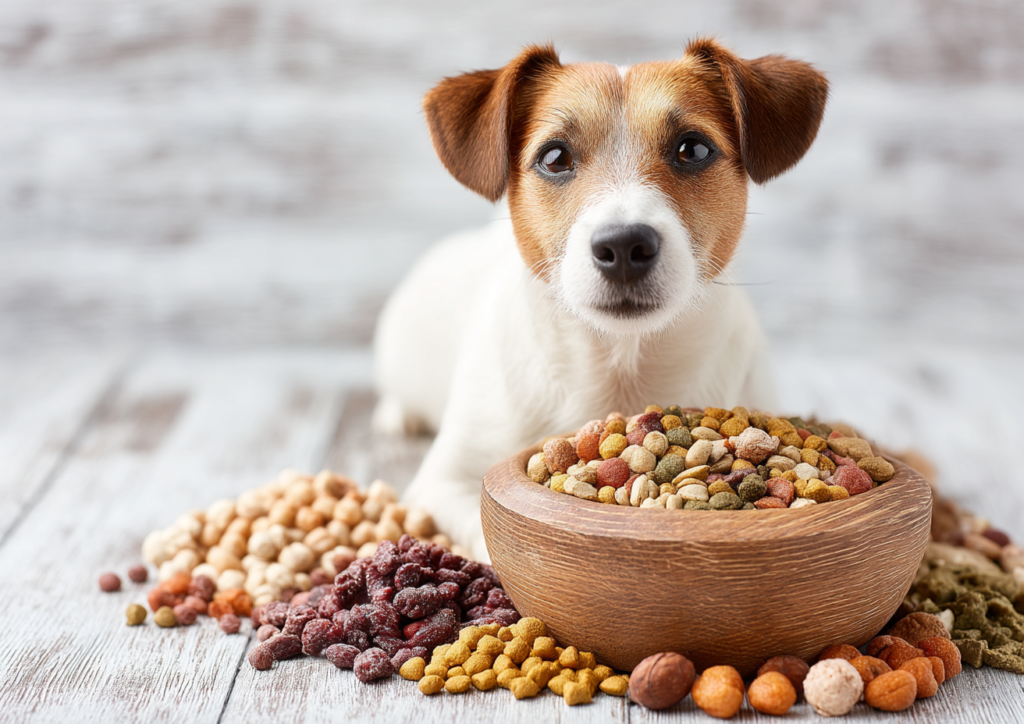
Food additives are substances added to pet foods to enhance texture, flavor, or preservation. However, not all additives are created equal. Some may offer benefits, while others could pose health risks. Therefore, as a veterinary professional, it is essential to understand both the safety and efficacy of these ingredients. For instance, certain preservatives may have been linked to longer shelf life but have also faced scrutiny for potential adverse health effects in pets.
- What are the common food additives in pet foods?
- How do ultraprocessed foods differ from whole foods?
- Why is it important to consider the source of food ingredients?
As general practice veterinarians or urgent care veterinarians, you will encounter patients whose diet may include ultraprocessed foods. Depending on the region, the types of food most commonly found in stores could vary. Understanding what these foods typically contain will help in advising clients about their pets’ nutritional choices.
Impacts on Pet Health and Nutrition
The health implications associated with ultraprocessed pet foods and their additives are numerous. Research suggests that diets high in such foods can lead to various health issues, including obesity and allergic reactions. For veterinary internal medicine specialists and emergency veterinarians, recognizing signs of adverse reactions from specific food additives becomes key to formulating effective treatment plans.
- What symptoms indicate a pet might be having a reaction to their diet?
- How can ultraprocessed foods influence long-term health outcomes?
- Who is most at risk when it comes to nutrition-related health issues?
In addition, veterinarians in mixed animal practices or those specializing in food animal health should be aware of the differences in dietary guidelines for various species. For example, shelter veterinarians may often deal with pets that have experienced diet-related issues due to inconsistent nutrition, thus highlighting the need for a more informed approach to food selection.
Navigating Client Conversations
Engaging clients in meaningful discussions about pet nutrition can enhance the veterinarian-client relationship. When addressing concerns about pet food additives, veterinarians should take the opportunity to educate clients about the advantages of wholesome, minimally processed diets. You might involve them in conversations by asking open-ended questions such as:
- What do you currently feed your pet?
- Have you noticed any changes in your pet’s behavior or health related to their diet?
- How do you feel about the ingredients in your pet’s food?
By fostering open dialogue, you not only empower clients to make informed choices but also position your practice as a trusted source of nutritional advice. This is particularly important in communities where veterinarians serve dual roles as healthcare providers and community educators.
Staying Updated with Industry Trends
The veterinary field is witnessing a significant transformation regarding pet nutrition, driven by increasing awareness about the potential risks of ultraprocessed foods. Consequently, veterinary clinics must adapt to these changes. Attending veterinary conferences and participating in continued education programs can help you stay abreast of new findings related to pet food safety and nutritional guidelines.
- How often should veterinarians update their knowledge about nutrition?
- What trends are emerging in pet food formulations?
- When might it be necessary to refer clients to a veterinary nutrition specialist?
As practitioners, being proactive can lead to better pet health outcomes and improve client satisfaction. The shift towards greater scrutiny of pet food choices represents a unique opportunity for veterinary teams to showcase their expertise.
Conclusion
Understanding the implications of pet food additives and ultraprocessed foods is crucial for veterinary clinics dedicated to enhancing patient care. By addressing the related challenges, you improve operational efficiency and foster a supportive environment for clients navigating their pet’s dietary needs. As the veterinary landscape evolves, Pulivarthi Group stands ready to assist veterinary practices in accessing essential talent—from general practice to specialty roles—ensuring clinics possess the expertise needed to meet these changing demands effectively.