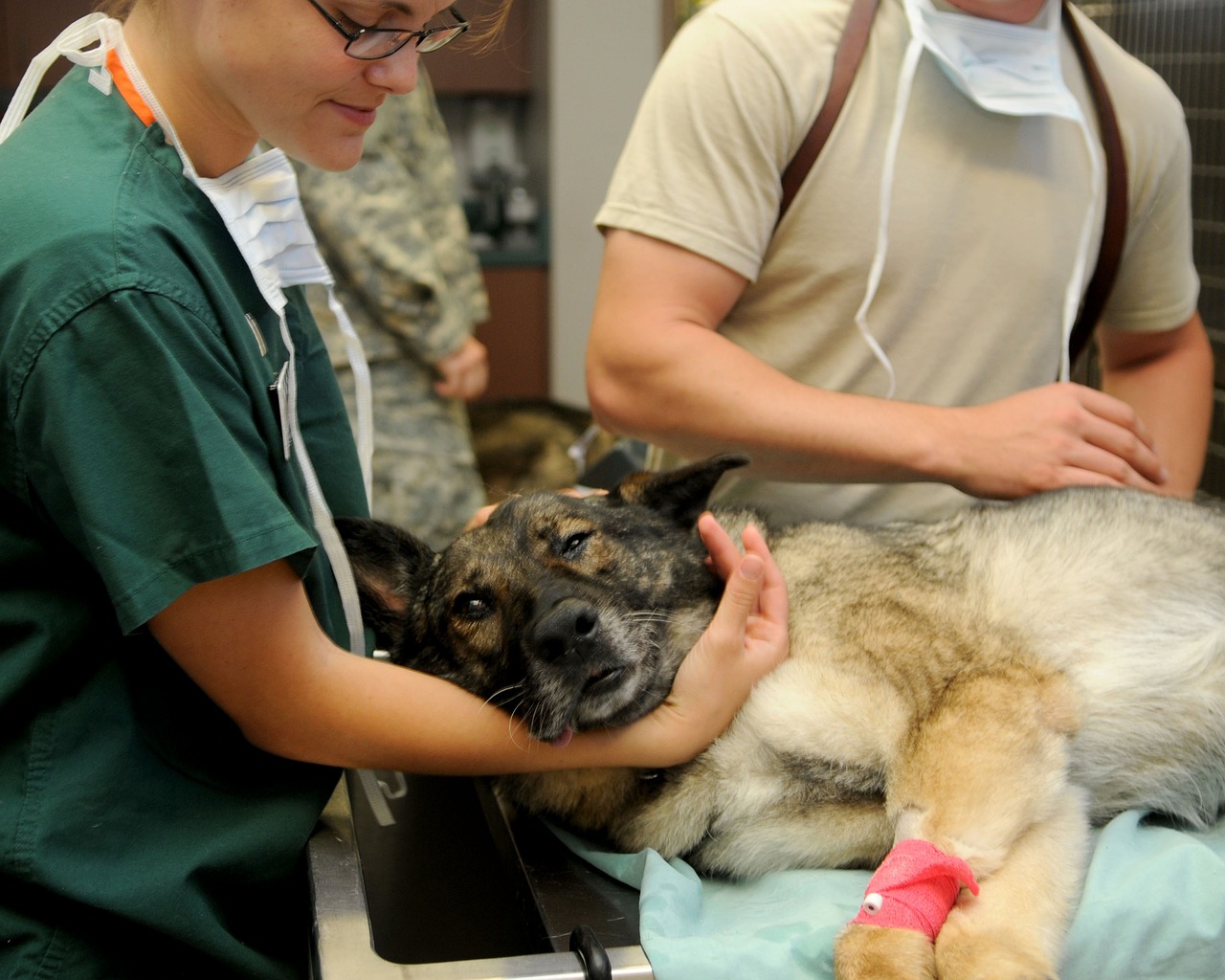
Parasite prevention is a crucial aspect of veterinary care. As pet owners and veterinary professionals, understanding the risks associated with pet parasites is essential. Seasonal variations in parasite activity can greatly affect pet health, making it imperative to stay informed about prevention strategies. This article sheds light on how to protect our furry friends from health risks associated with pet parasites.
Understanding the Risks of Pet Parasites
Pet parasites, including fleas, ticks, and worms, present significant health risks. These parasites can lead to severe conditions in pets, including anemia, infections, and even organ failure. They can also transmit diseases to humans, posing a wider public health risk. Veterinary clinics play a vital role in educating pet owners about the life cycles and prevalence of these parasites. Therefore, awareness of regional parasite activity is essential for effective prevention.
Seasonal Variations and Their Impact on Patient Care
Understanding when specific parasites are most active allows veterinary clinics to tailor their preventive advice. For example, fleas and ticks tend to thrive in warmer months. As a result, proactive measures should start early in the season. Each veterinary role, whether it be an associate veterinarian or a critical care veterinarian, should be well-equipped to recognize symptoms of parasitic infections. This knowledge ensures timely intervention and treatment, protecting the health of both pets and their owners.
Effective Preventive Measures for Pet Owners
Preventive care is crucial to shield pets from parasites. Here are some effective strategies:
- Regular Veterinary Visits: Schedule routine check-ups for parasite screenings and vaccination updates.
- Use of Preventive Medications: Discuss appropriate topical or oral treatments with your veterinarian based on your pet’s lifestyle and risks.
- Home Environment Management: Regularly clean and vacuum living areas to reduce parasite habitats.
- Outdoor Precautions: Monitor your pet during outdoor activities, especially in heavily wooded areas where ticks are prevalent.
Veterinary Roles in Parasite Prevention
Each veterinary role impacts parasite prevention strategies in unique ways. For example, an urgent care veterinarian might see cases of acute infestations and educate pet owners on immediate treatments. Meanwhile, a general practice veterinarian focuses on long-term prevention and education. Conversely, food animal veterinarians need to understand the implications of parasites not just on pets, but also on livestock, ensuring both food safety and animal health.
Promoting Awareness and Education
Veterinary clinics should take the lead in community education about parasite prevention. Workshops and informational materials can help pet owners understand the importance of consistent preventive care. Additionally, utilizing social media platforms to share tips and information can reach a broader audience. This proactive approach enhances client trust and fosters a healthier community of pets.
Conclusion
In conclusion, understanding pet parasite prevention is vital for maintaining pet health and well-being. Veterinary clinics play an essential role in educating pet owners about the risks and appropriate preventive measures. By fostering a team environment that emphasizes continual education, veterinarians and clinic staff can significantly impact parasite control. As you navigate these challenges, consider how the Pulivarthi Group can support your clinic by providing access to skilled professionals across various specialties. From associate veterinarians to board-certified veterinary internal medicine specialists (DACVIM), we help you build a capable team ready to tackle the challenges of patient care and parasite prevention effectively.