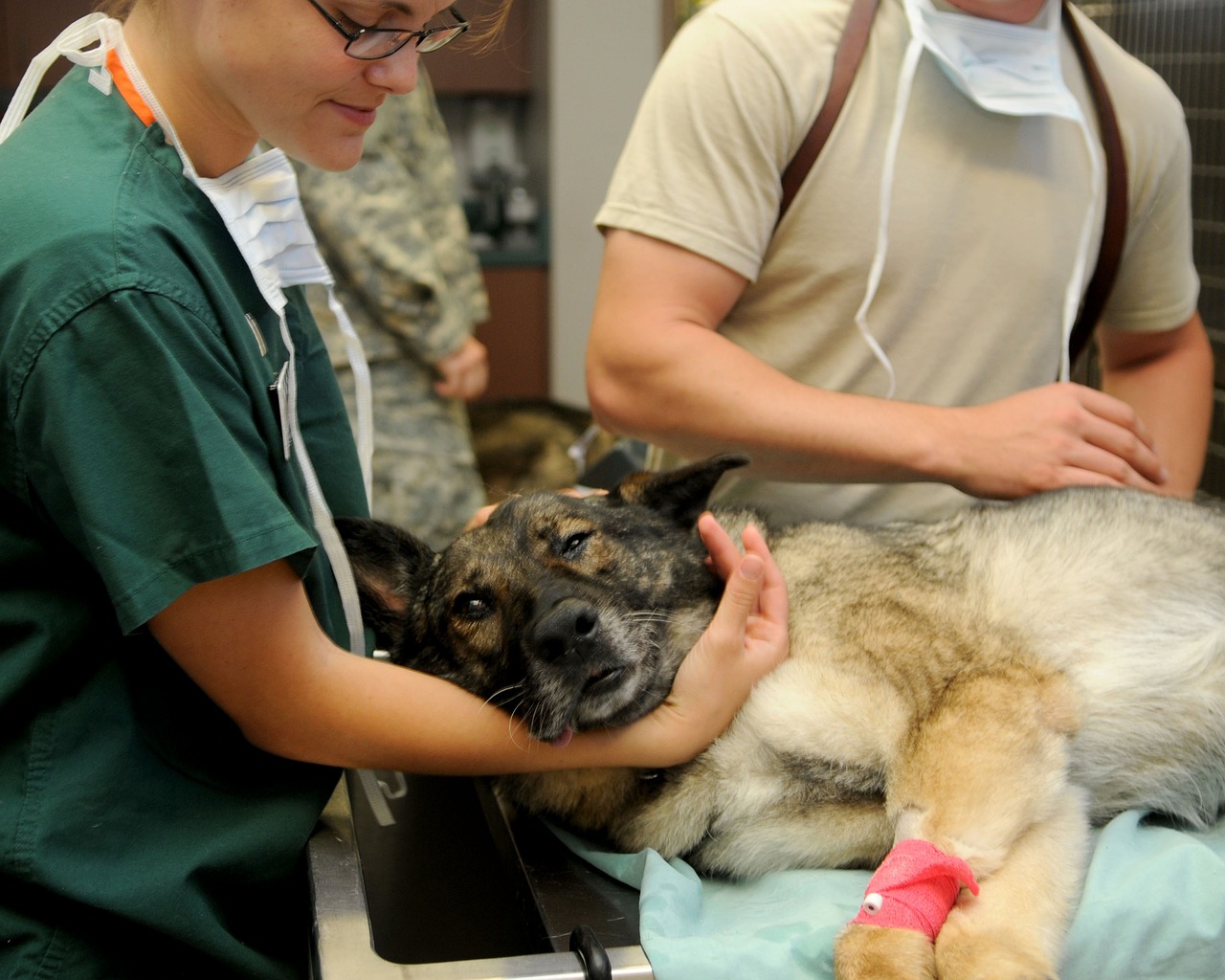
Zinc toxicosis in dogs is a critical issue for veterinary professionals. This condition arises when dogs ingest excessive amounts of zinc, often from objects like pennies and zinc-containing supplements. As veterinarians, understanding the complications associated with zinc toxicosis is essential in order to provide effective care, particularly when it leads to methemoglobinemia.
Understanding Zinc Toxicosis and Methemoglobinemia
Zinc toxicosis can manifest in various ways, but one of the most serious consequences is methemoglobinemia. This condition occurs when hemoglobin is altered, reducing its ability to carry oxygen. For veterinarians, particularly those in urgent care and emergency settings, recognizing the signs of zinc toxicosis early greatly improves patient outcomes.
Methemoglobinemia often presents with clinical signs such as:
- Chocolate-brown coloration of the blood
- Rapid respiratory rates
- Lethargy and weakness
- Increased heart rate
Challenges in Diagnosis and Treatment
Timely diagnosis is a significant challenge when addressing zinc toxicosis and its associated complications. Many symptoms overlap with other conditions. Thus, veterinarians should consider a complete blood count and chemistry panel, alongside a thorough history of potential zinc exposure.
In treatment, the use of oxygen therapy is vital for dogs diagnosed with methemoglobinemia. Additionally, methylene blue can serve as an effective antidote, although its use often requires careful monitoring due to potential side effects.
Operational Considerations for Veterinary Practices
Veterinary clinics should ensure their clinical staff is well-versed in the signs and symptoms of zinc toxicosis. Increased awareness can drastically enhance operational efficiency, especially in emergency clinics where timely interventions are critical.
Regular training sessions can equip veterinarians, including those focused on internal medicine and emergency care, with the skills needed to handle these cases effectively. Furthermore, collaboration among general practice veterinarians and emergency staff can streamline the diagnosis and treatment process.
Long-Term Patient Care and Follow-Up
Post-treatment, monitoring for potential complications is crucial. Zinc toxicosis can lead to long-term hematologic effects, which must be considered in any follow-up care plan. General practitioners and specialists alike should establish a solid follow-up strategy to observe any signs of anemia or further complications.
Industry Trends and Future Directions
The veterinary industry continues to face challenges, including evolving toxicosis cases and the incorporation of new diagnostic tools. Staying informed about these trends aids veterinary clinics in enhancing their operational approaches to maintain high standards of patient care.
Research indicates a rising incidence of cases related to metal toxicities in pets, emphasizing the need for continued education and responsiveness in treatment protocols. Additionally, developments in veterinary technologies can help manage patient data more efficiently and support accurate diagnoses.
Conclusion
Understanding the relationship between zinc toxicosis and methemoglobinemia is vital for effective veterinary practice. As clinics navigate these complex cases, ongoing education and collaboration among various specialties will yield better outcomes for patients. Pulivarthi Group recognizes the unique challenges veterinary clinics face and assists them in accessing qualified professionals across roles, including Associate Veterinarians, General Practice Veterinarians, and Emergency Veterinarians. By partnering with Pulivarthi Group, clinics can ensure they have the right talent to provide optimal care for cases of zinc toxicosis and beyond.