Equine veterinary practices face unique challenges, particularly concerning horse-related injuries. These injuries are not just a minor inconvenience; they pose significant risks to clinical staff, veterinarians, and practice efficiency. Understanding the prevalence and nature of these injuries is essential for improving safety protocols in veterinary clinics.
High Incidence of Work-Related Injuries
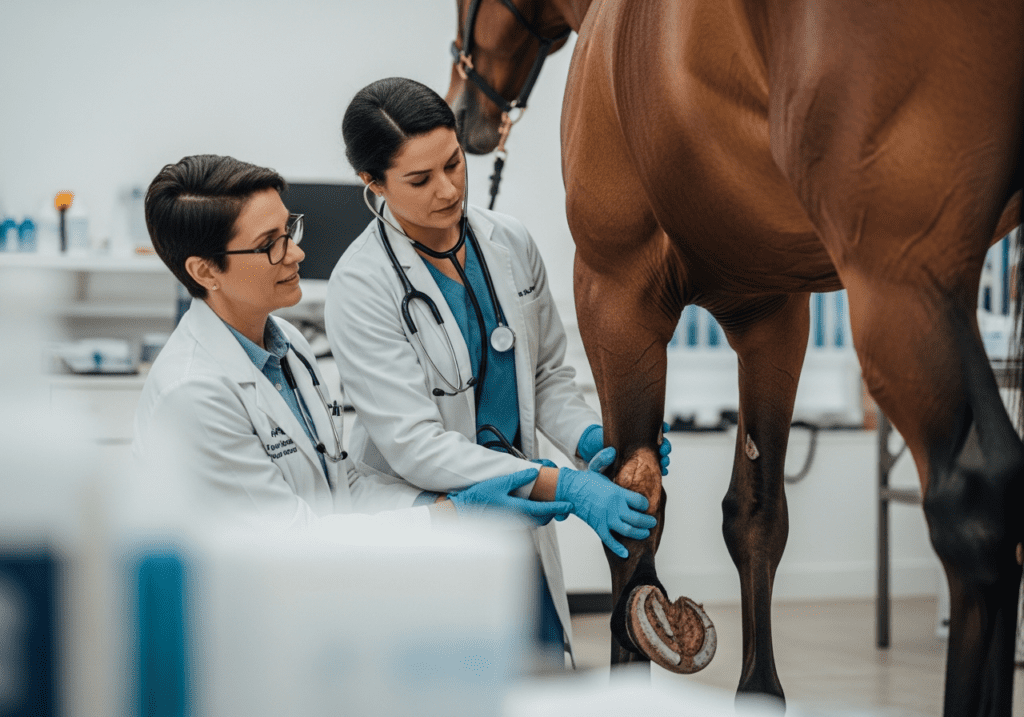
A recent study highlights the alarming frequency of work-related injuries among equine veterinarians and clinical staff. The research indicates that kicks and other accidents involving horses account for numerous injuries. The findings call for increased attention to safety measures within the equine veterinary sector.
- The study found that a significant percentage of equine veterinarians experienced injuries each year.
- Common incidents include being kicked or stepping on a horse’s hoof.
- These injuries not only affect the individual but can disrupt overall practice operations.
Understanding the Risks in Different Roles
The risks associated with equine veterinary work may vary depending on the practitioner’s specific role. For example, General Practice Veterinarians often face routine injuries during examinations. Meanwhile, Urgent Care and Emergency Veterinarians might encounter more volatile situations, heightening their risk. These professionals must be particularly vigilant and proactive in injury prevention.
Critical Care Veterinarians and Board-Certified Veterinary Internal Medicine Specialists also face unique situations due to the necessity of handling distressed animals. Mixed Animal and Food Animal Veterinarians often work in unpredictable environments, enhancing the need for robust safety protocols.
Implementing Safety Protocols
Surprisingly, many equine veterinary clinics do not prioritize safety measures. The study necessitates a critical examination of current practices. Practices should encourage better training and implementation of comprehensive safety measures. This can include:
- Providing protective gear, such as helmets and vests.
- Regular safety training sessions for all clinical staff.
- Creating clear protocols for handling high-risk situations.
- Establishing a reporting system for near-misses to encourage awareness of risks.
Implementing these strategies can significantly reduce the risk of injuries. As a result, veterinarians and their teams can focus more on patient care rather than addressing avoidable accidents.
Creating a Culture of Safety
A culture of safety within veterinary clinics involves collective responsibility. Veterinarians, practice owners, and managers must lead by example. Encouraging open dialogue about safety concerns strengthens the commitment across clinical teams. Equine veterinarians, veterinary nurses, and practice managers must work collaboratively to instill these practices into the clinic’s ethos.
In addition, regular assessment of safety protocols ensures that they remain relevant and effective. By staying updated with the latest research and guidelines, veterinary practices can proactively mitigate risks associated with horse-related injuries.
Conclusion
Understanding horse-related injuries in veterinary practice highlights the critical need for safety measures. By raising awareness and effectively implementing safety protocols, equine veterinarians can significantly enhance workplace safety. As the veterinary landscape continues to evolve, Pulivarthi Group stands ready to support veterinary clinics in accessing the hard-to-find talent necessary to foster a safer environment. Whether you’re looking for an Associate Veterinarian, Emergency Veterinarian, or board-certified specialists, our team can help ensure your practice remains safe and efficient.