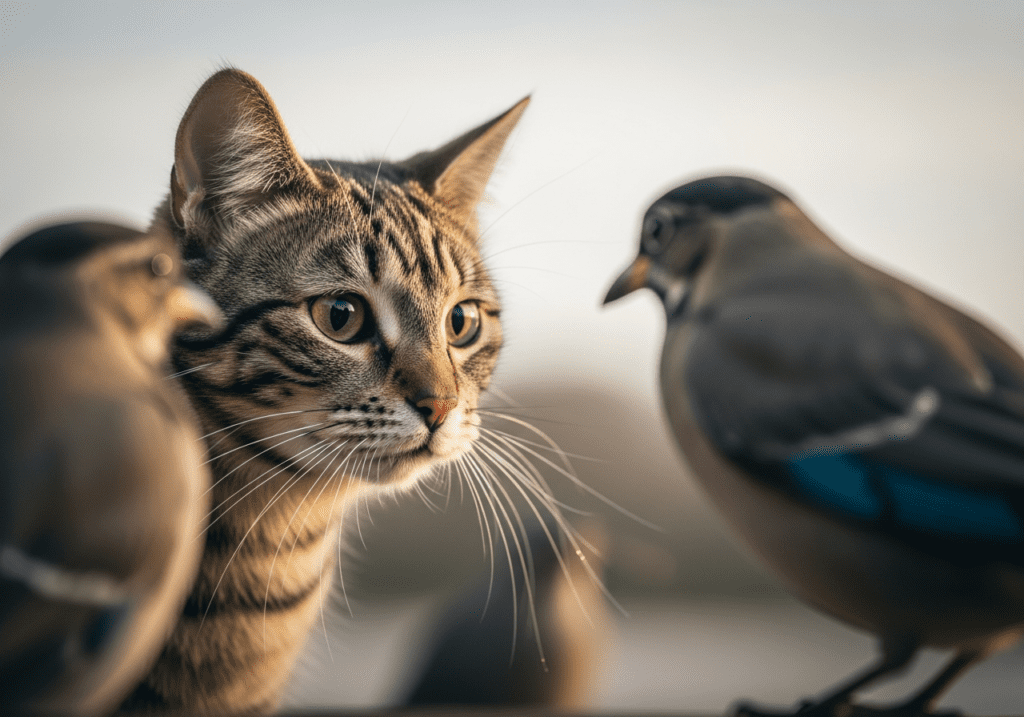
H5N1 avian influenza presents significant health risks to domestic cats. This emerging threat requires immediate attention from veterinary clinics and practitioners globally, especially as outbreaks have been reported across Europe and the United States. Understanding the implications of H5N1 avian influenza in the feline population is essential for effective clinical practice. Early detection and control measures can mitigate its impact on feline health.
Understanding H5N1 Avian Influenza
The H5N1 strain of avian influenza mainly affects birds, but cases in cats have been documented. Due to the virus’s increasing geographic range, veterinary clinics must be vigilant about its transmission and impacts on pet health. The lack of effective antiviral treatments and vaccines for cats complicates this situation.
Veterinarians, especially Associate Veterinarians and Emergency Veterinarians, should develop actionable protocols. By educating pet owners about the risks associated with exposure to wild birds, clinics can play a pivotal role in prevention. Increased awareness among veterinary staff and the community is vital in limiting the spread of this virus.
Key Risk Factors for Cats
Cats can contract H5N1 in several ways. Common transmission routes include:
- Consumption of infected birds or their byproducts
- Exposure to contaminated environments
- Direct contact with infected wildlife
Each factor presents unique challenges for different veterinary roles. Urgent Care and Critical Care Veterinarians may be the first to deal with symptomatic cats. Therefore, awareness and screening protocols must be part of routine check-ups. Prompt recognition of signs of H5N1 is crucial to improve outcomes.
Clinical Manifestations and Diagnosis
Clinical signs of H5N1 in cats include respiratory distress, high fever, lethargy, and neurological symptoms. Diagnosing H5N1 avian influenza often requires specific laboratory testing. General Practice Veterinarians must consider these signs during routine examinations, especially in regions with reported outbreaks.
Given the current epidemiological landscape, timely diagnosis and reporting are crucial. Continuous monitoring and communication with local public health authorities can help veterinary clinics stay ahead of potential outbreaks.
Preventive Strategies for Veterinary Clinics
To combat the risks associated with H5N1, veterinary clinics should implement comprehensive preventive measures. These strategies include:
- Developing and training on screening protocols for H5N1 symptoms
- Educating pet owners about minimizing exposure to wild birds
- Creating public awareness campaigns focused on H5N1 risks
Moreover, Shelter Veterinarians and Community Medicine Veterinarians play vital roles in educating at-risk populations. Providing information on the importance of keeping domestic cats indoors, especially in areas with active H5N1 cases, can significantly reduce transmission risks.
Adapting to Industry Trends and Challenges
As H5N1’s geographic range expands, its potential impact on domestic cats becomes more pronounced. Practices must remain agile, adapting their operations to industry trends surrounding zoonotic diseases. This includes keeping veterinarians informed about emerging pathogens and vaccine developments.
Moreover, effective communication between clinics, pet owners, and community stakeholders remains paramount. As veterinarians face challenges related to workforce management and patient care, collaboration within the veterinary community becomes essential. Sharing best practices can enhance operational efficiency while improving patient outcomes.
Conclusion
H5N1 avian influenza poses a serious health risk to domestic cats, necessitating proactive measures in veterinary clinics. Understanding this emerging threat and implementing strong screening protocols can greatly enhance patient care. Pulivarthi Group stands ready to support your veterinary practice in accessing specialized talent. Whether you need an Associate Veterinarian or a Board-Certified Veterinary Internal Medicine Specialist (DACVIM), we partner with you to ensure your clinic maintains exemplary care standards during these challenging times.