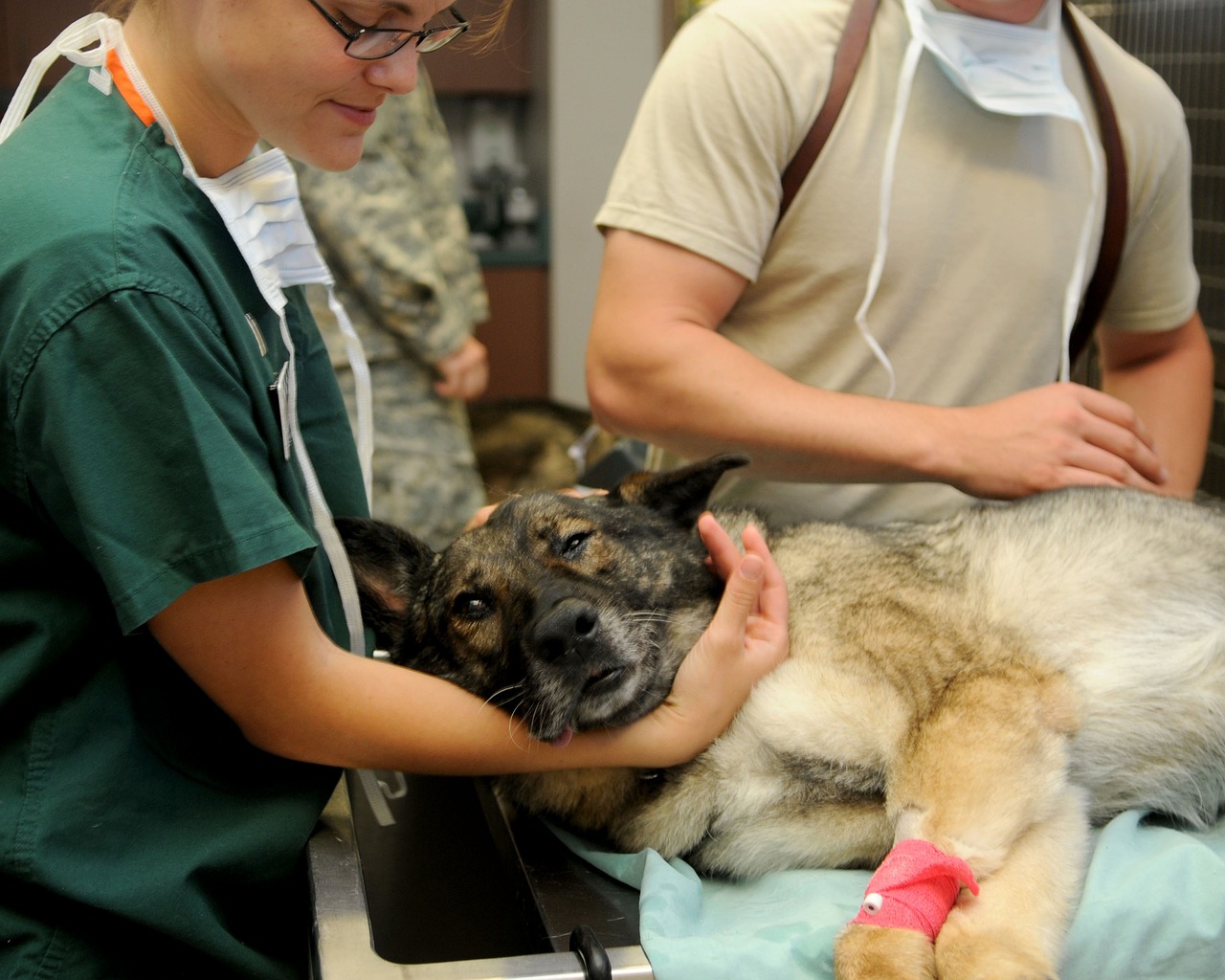
Accurate diagnosis of forelimb lameness is crucial in veterinary medicine. For veterinarians and clinical staff, understanding how to identify and treat various lameness issues can significantly affect patient outcomes. This blog provides a comprehensive analysis of forelimb lameness diagnosis and treatment strategies relevant to veterinary clinics across the United States.
What is Forelimb Lameness?
Forelimb lameness refers to any abnormality in a pet’s gait caused by pain or injury in the front limbs. This condition is common across various veterinary practices, impacting not only general practice veterinarians but also urgent care and emergency veterinarians. If left untreated, lameness can lead to more severe complications, making accurate diagnosis critical for effective treatment.
Key Challenges in Diagnosing Forelimb Lameness
Diagnosing forelimb lameness poses several challenges. Firstly, differentiating between mechanical issues, such as fractures or tendon injuries, and neurological conditions requires advanced diagnostic skills. Veterinarians, especially those in emergency and critical care settings, must be adept at quickly assessing the situation to provide timely intervention.
- Recognizing the subtleties of lameness presentation.
- Utilizing diagnostic tools effectively, such as X-rays and ultrasound.
- Understanding how various roles—like mixed animal veterinarians versus shelter veterinarians—might face different lameness diagnosis challenges.
Diagnostic Techniques for Forelimb Lameness
Implementing effective diagnostic techniques enhances the likelihood of accurately identifying the cause of lameness. Techniques include:
- Physical Examination: Focus on gait evaluation and manipulation of the limbs.
- Diagnostic Imaging: Employ radiographs or ultrasound to visualize potential structural issues.
- Laboratory Tests: Conduct blood work to rule out systemic conditions.
Moreover, specialized roles, such as veterinary internal medicine specialists, can provide insights into underlying health issues contributing to lameness.
Treatment Strategies for Forelimb Lameness
Once a diagnosis has been established, devising an effective treatment plan is essential. Treatment options vary based on the underlying cause and can include:
- Medications: Non-steroidal anti-inflammatory drugs (NSAIDs) can alleviate pain and inflammation.
- Surgery: Surgical intervention may be necessary for conditions like fractures or severe tendon injuries.
- Therapeutic Exercise: Gradual rehabilitation through controlled exercises aids recovery.
Understanding these options allows veterinarians to develop tailored management plans that can enhance the recovery process for their patients.
Industry Trends in Lameness Treatment
The veterinary industry continuously evolves, with innovations influencing how forelimb lameness is diagnosed and treated. For example, the integration of telemedicine provides opportunities for follow-up consultations, which may be beneficial for pet owners in understanding their pet’s recovery status.
Furthermore, advancements in imaging modalities enhance diagnostic accuracy, allowing for earlier detection and intervention. This is particularly beneficial in specialty practices, where the focus on internal medicine and advanced surgical techniques plays a pivotal role in successful outcomes.
The Role of Veterinary Staffing in Enhancing Patient Care
In today’s competitive veterinary landscape, having access to the right talent is vital. Pulivarthi Group understands the importance of staffing to ensure that clinics can maintain the high standard of care required for accurate diagnosis and treatment of conditions like forelimb lameness. Whether you need an Associate Veterinarian, Emergency Veterinarian, or Board-Certified Veterinary Internal Medicine Specialist, our network can help you find the skilled professionals necessary for your clinic’s success.
Conclusion
In conclusion, accurate forelimb lameness diagnosis is critical for effective treatment in veterinary clinics. By understanding the complexities and employing advanced diagnostic and treatment strategies, veterinarians can significantly enhance patient outcomes. Collaborating with experienced staffing agencies like Pulivarthi Group can help your clinic access the talent needed to navigate these challenges effectively, ensuring a higher standard of care for all animals.