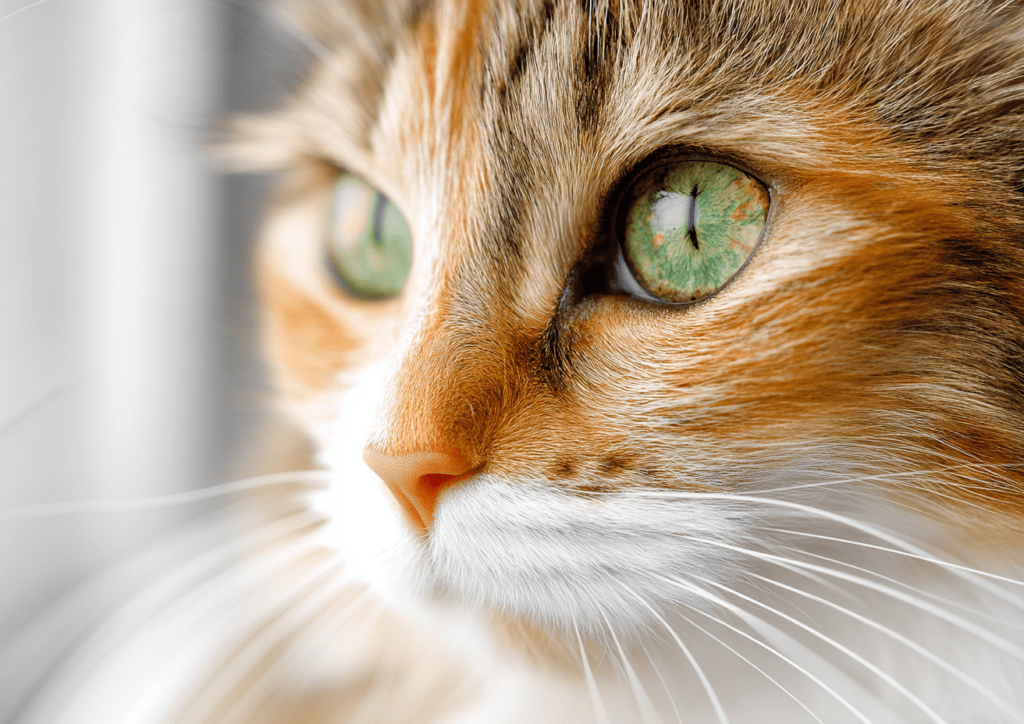
Understanding Feline Atopic Skin Syndrome in Cats
Feline atopic skin syndrome is a complex allergic skin disease in cats that poses significant diagnostic challenges. Understanding this condition is crucial for veterinarians, as it affects patient care and operational efficiency in veterinary clinics. In many cases, the skin barrier function’s complexities contribute to the difficulty in diagnosing allergic skin disease in cats. This blog post delves into these challenges, aiming to empower veterinary teams to enhance their approach to patient care.
The Challenge of Diagnosis
Diagnosing allergic skin disease in cats can be particularly perplexing. One of the key reasons is the variability in clinical signs displayed by different cats. For example, some may present with intense pruritus, while others may show only mild irritation. Furthermore, clinical signs can overlap with other dermatological issues, making it essential for veterinarians to have a robust understanding of diagnostic methods.
Veterinarians, especially those working in general practice, urgent, and emergency care, must rely on a combination of history, physical examination, and sometimes, additional diagnostics like skin scrapings or allergy testing. As such, having a comprehensive understanding of feline atopic skin syndrome can significantly improve diagnostic accuracy.
Key Clinical Signs
Understanding the common clinical signs associated with feline atopic skin syndrome is key to effective diagnosis and management. These might include:
- Pruritus and excessive grooming
- Red, inflamed skin
- Secondary infections due to skin barrier damage
- Hot spots or pyoderma
- Alopecia or hair loss
Vets who specialize in dermatology or have a keen interest in veterinary dermatology must pay close attention to these signs. Recognizing the condition early can lead to better treatment outcomes and improved quality of life for feline patients.
Approaches to Treatment
Once diagnosed, treatment options for feline atopic skin syndrome may include antihistamines, corticosteroids, or immunotherapy. However, every cat is unique, requiring a tailored approach to treatment. For instance, an associate veterinarian in a busy clinic may need to balance treating more than one condition simultaneously, identifying which are primary contributors to the cat’s overall health.
Moreover, understanding that environmental factors can exacerbate this condition is crucial. Community medicine veterinarians particularly focus on these aspects, advocating for a holistic approach involving environmental management alongside medical treatment.
Building Knowledge Through Collaboration
Effective diagnosis and management of feline atopic skin syndrome in veterinary clinics call for collaboration among the clinical staff. Regularly engaging in discussions about new findings and treatment strategies can enhance the team’s understanding. Partnering among associate veterinarians, emergency veterinarians, and specialists allows the clinic to offer comprehensive care, fostering a more effective diagnostic approach.
Educational resources and continuing education can empower staff. As organizations like VETgirl provide ongoing training, clinics can enhance their service offerings. By doing so, they can stay updated on the latest best practices in diagnosing allergic skin disease in cats.
Conclusion
In conclusion, understanding feline atopic skin syndrome is critical for enhancing patient care in veterinary practice. Veterinary clinics can improve their diagnostic and treatment processes by addressing the challenges associated with this condition. As a partner in the veterinary community, Pulivarthi Group supports clinics in accessing the hard-to-find talent necessary for effective practice. Whether you need an associate veterinarian, a mixed animal veterinarian, or a board-certified specialist, we are here to help your team provide the best possible care for your patients.