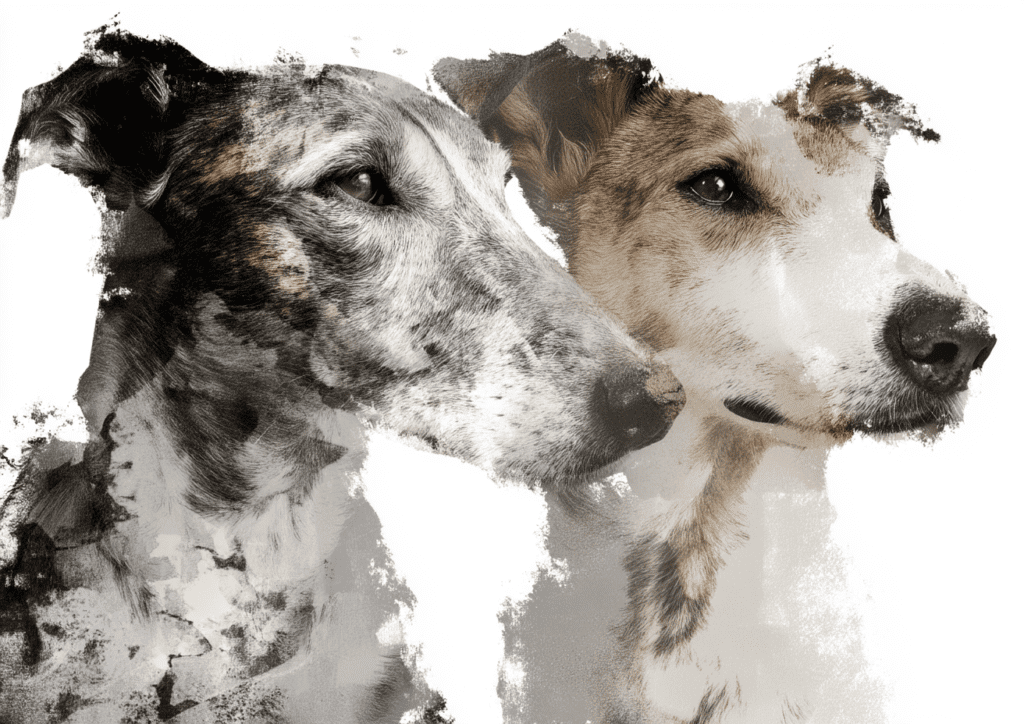
The journey of dog aging and pet loss profoundly impacts both the canine companions and their owners. Recent findings from the Dog Aging Project surveys provide valuable insights into the grieving process experienced by dog owners. It is crucial for veterinary clinics to understand these psychological aspects, as they significantly influence client relationships and patient care.
Understanding the Grieving Process
Grief manifests uniquely for each dog owner. When a pet ages or faces health challenges, the emotional toll can be overwhelming. Pet owners often undergo complex feelings of sadness, guilt, and even anger. For veterinarians, acknowledging these emotions can foster a supportive environment, both during consultations and end-of-life discussions. This understanding is particularly vital for roles such as Emergency Veterinarians and Critical Care Veterinarians, who frequently engage with pet owners in vulnerable moments.
Key Psychological Impacts
How can veterinarians better support grieving pet owners? Firstly, recognizing the common stages of grief is essential. Owners may experience denial, anger, bargaining, depression, and acceptance at different times. Your role is to provide empathy and practical advice. This can alleviate guilt and anxiety, leading to healthier grieving processes.
- Empathy: Listen actively to pet owners without judgment.
- Resources: Provide brochures or access to support groups.
- Follow-Up: Check-in with pet owners after significant events.
Practical Implications for Veterinary Clinics
Each veterinary practice, whether a General Practice Veterinary clinic or a specialized facility, has unique opportunities to enhance owner interactions. For instance, Community Medicine Veterinarians can educate owners about the aging process, demystifying care options and alleviating fear about pet loss. In general practice settings, offering grief counseling services can turn a painful experience into a supportive journey, enhancing client retention and loyalty.
Addressing Grief in Different Veterinary Roles
The approach to dealing with grief should be tailored based on the veterinary role. For example:
- Associate Veterinarians can offer insights on pet quality of life, helping owners make informed decisions.
- In Urgent Care Settings, addressing immediate emotional concerns can lead to a more compassionate care experience.
- Food Animal Veterinarians may also encounter grieving owners, especially in agricultural communities, where livestock loss can have significant emotional impacts.
Fostering Emotional Health in Your Practice
Veterinary clinics can integrate grief education into regular training for all staff. Workshops on communication and emotional support will equip team members to handle sensitive discussions better. Additionally, consider implementing a clear protocol for these conversations, ensuring everyone understands how to provide compassionate care in difficult situations.
Conclusion
Understanding the grieving process of dog owners is vital in veterinary practice. By recognizing the emotional landscape clients navigate during pet aging and loss, veterinarians can enhance their support and care strategies. As your partner in staffing, Pulivarthi Group understands the importance of accessing qualified professionals across various roles in veterinary medicine. We help ensure your clinic is well-equipped with the right talent, fostering a compassionate environment for all pet owners experiencing grief.