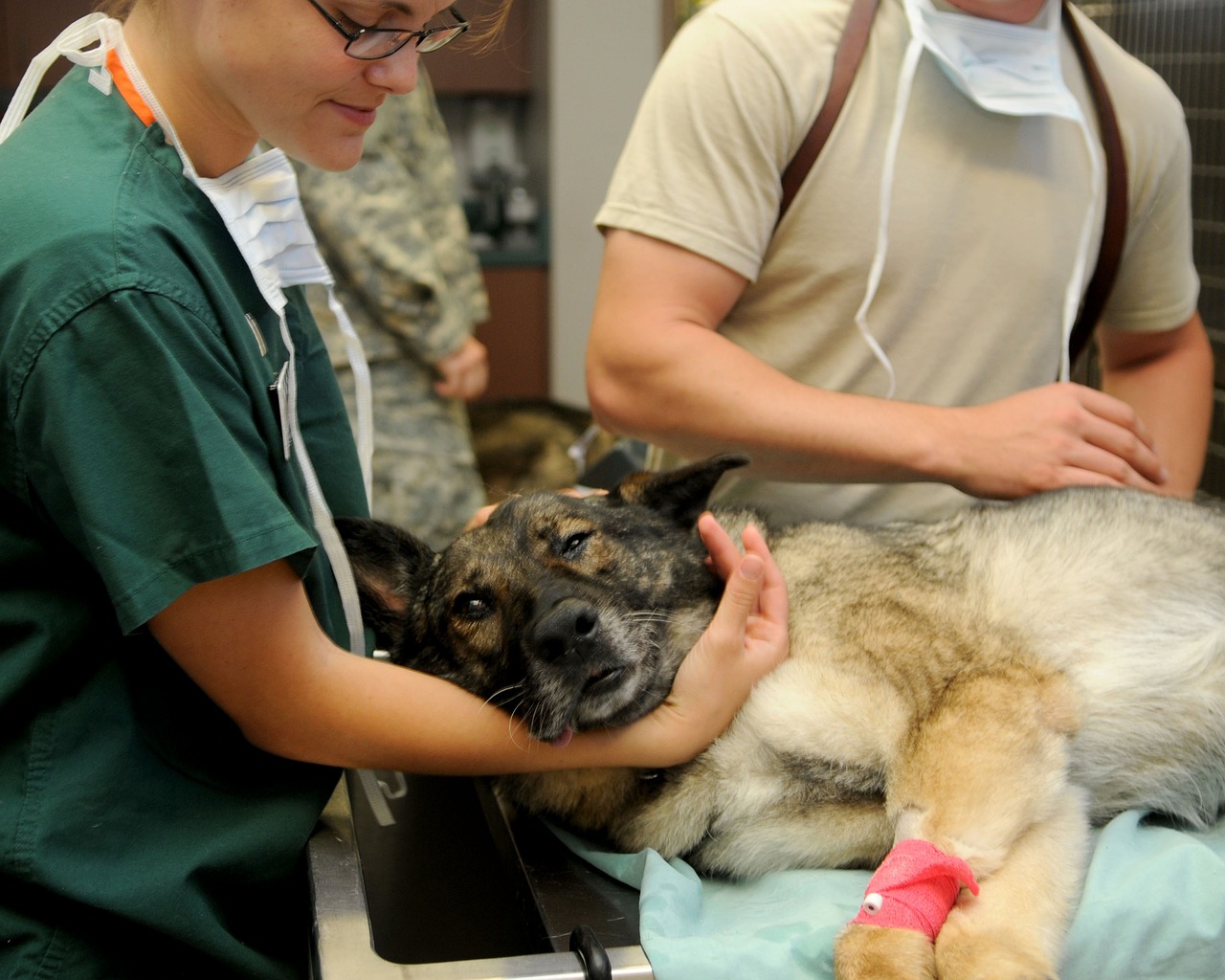
Diaphragmatic hernias in dogs are a significant concern for veterinarians and pet owners alike. These injuries can occur due to trauma, leading to dire consequences if not diagnosed and managed promptly. Understanding the symptoms and treatment options for diaphragmatic hernias is crucial for veterinary clinics. This condition requires urgent attention from veterinarians, particularly urgent care and emergency professionals, who often encounter these cases.
What is a Diaphragmatic Hernia?
A diaphragmatic hernia occurs when abdominal organs move into the thoracic cavity through a tear or defect in the diaphragm. This disruption can drastically impair normal respiratory function. The condition is often caused by traumatic incidents, such as car accidents, falls, or other blunt forces. Dogs may also experience congenital diaphragmatic hernias, which often require surgical intervention as well.
Identifying Symptoms of Diaphragmatic Hernias
Recognizing the symptoms of a diaphragmatic hernia is essential for timely intervention. Common signs include:
- Labored or rapid breathing
- Abdominal distention
- Vomiting or retching
- Decreased activity levels
- Postural changes, such as a preference for a sternal position
If a dog exhibits these symptoms, veterinarians should conduct a thorough physical examination and consider advanced imaging techniques, such as radiographs or ultrasounds, to confirm the diagnosis.
Surgical Considerations and Management
Once a diagnosis is confirmed, the primary treatment for a diaphragmatic hernia is surgical repair. Veterinarians must carefully assess the extent of the hernia and any associated injuries, especially in emergent cases. Surgical intervention may involve:
- Restoration of normal diaphragm anatomy
- Addressing associated abdominal organ injuries
- Post-operative care, considering respiratory support as needed
Emergency veterinarians and critical care specialists play a vital role in managing post-operative complications, such as pneumothorax or pleural effusion. Their expertise ensures optimal recovery outcomes for canine patients.
Operational Implications for Veterinary Clinics
This urgency surrounding diaphragmatic hernias necessitates efficient clinic operations. General practice veterinarians often see cases during routine visits and must recognize the criticality of timely referrals to emergency facilities. By fostering effective communication between general practice and urgent care veterinarians, clinics can streamline patient transfers.
Moreover, maintaining comprehensive training programs for veterinary staff is essential. Emphasizing diagnostic skills and refining surgical techniques can help improve clinic readiness for managing traumatic injuries like diaphragmatic hernias. Clinics that incorporate case simulations and collaborative training sessions can enhance the confidence of their team members when dealing with such cases.
Industry Trends in Veterinary Medicine
As veterinary medicine evolves, the integration of technology and AI plays a significant role in diagnostics and treatment planning. Innovations can aid in enhancing imaging techniques and patient monitoring during surgeries. For example, telemedicine consultations can facilitate quicker decision-making, especially in rural areas where specialty care is limited.
Keeping abreast of these trends can help veterinary clinics stay competitive while delivering high-quality patient care to their canine clients.
Conclusion
In summary, understanding and managing diaphragmatic hernias in dogs is crucial for veterinary professionals. As clinics continue to encounter these cases, enhancing diagnostic skills and operational efficiency will be paramount. The discussion surrounding these injuries highlights the need for accessible, skilled veterinary specialists across various roles. The Pulivarthi Group stands ready to assist clinics in accessing hard-to-find talent, including Associate Veterinarians, Emergency Veterinarians, and Board-Certified Veterinary Internal Medicine Specialists (DACVIM). Partnering with Pulivarthi Group can strengthen your practice’s ability to provide exceptional care for challenging cases like diaphragmatic hernias.