In veterinary medicine, diagnosing equine tendon sheath conditions can be challenging. Understanding the importance of contrast tenography is crucial for veterinarians who wish to enhance patient care in equine clinics. This advanced diagnostic technique greatly assists in identifying issues within the digital flexor tendon sheath, which can lead to better treatment outcomes.
Challenges in Diagnosing Tendon Sheath Issues
The digital flexor tendon sheath is vital for a horse’s mobility. Issues here can result in significant pain and impairment. However, accurately diagnosing these problems demands advanced skills and tools. In general practice, veterinarians may face limitations in diagnostic imaging capabilities. Urgent care veterinarians often deal with acute cases, where rapid and precise diagnosis is critical.
In specialty practices, like those involving equine internal medicine specialists, high-level diagnostics are the norm. Limited access to imaging technologies can hinder the diagnostic process. Therefore, incorporating contrast tenography not only enhances the diagnostic toolkit but also improves treatment planning.
What is Contrast Tenography?
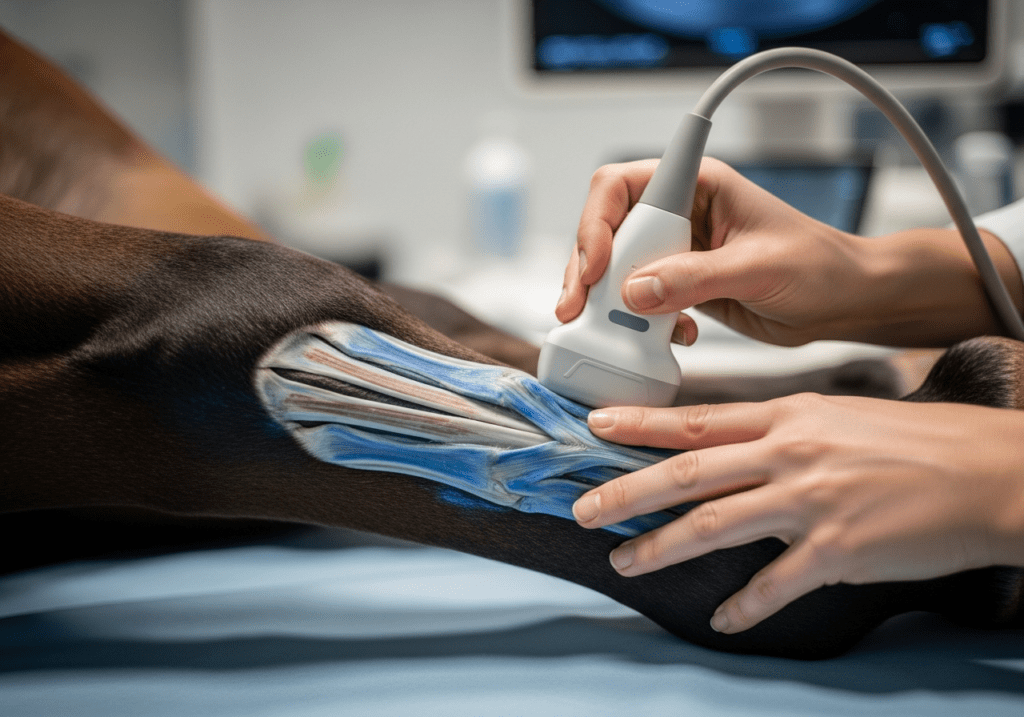
Contrast tenography is an imaging technique that uses a contrast agent to highlight the tendon sheath. This method allows veterinarians to visualize and assess the condition of the tendon sheath in greater detail. By providing a clearer picture, it helps distinguish between various pathologies, such as tenosynovitis and other inflammatory processes.
For equine specialists, understanding the nuances of contrast tenography can be a game-changer. It empowers veterinarians to make informed decisions regarding treatment and prognosis, ultimately benefiting both the horse and the owner.
Practical Applications and Implications
Veterinary clinics that adopt contrast tenography can expect improved operational efficiency. For instance, equine clinicians can streamline their diagnostic processes, reducing the time needed to reach a diagnosis. This, in turn, expedites treatment protocols, enhancing patient throughput without compromising care quality.
Moreover, as equine medicine continues to evolve, clinics that incorporate advanced imaging techniques like contrast tenography position themselves as leaders in the field. It aids in attracting clients who are increasingly recognizing the necessity of cutting-edge diagnostic capabilities. The implications extend beyond immediate care, affecting overall clinic reputation and client trust.
Future Trends in Equine Healthcare
As technology advances, the veterinary field must keep pace with innovations in diagnostics. The increasing use of contrast tenography highlights a trend toward more precise and rapid diagnostic techniques. This shift is vital not only for equine practitioners but also for mixed animal veterinarians who may encounter equine cases.
On a global scale, sharing knowledge and best practices around contrast tenography can enhance the standard of care across veterinary practices. Clinics can benefit by networking and learning from each other’s experiences, particularly in adopting advanced imaging techniques.
Conclusion
Understanding how to implement contrast tenography effectively is essential for veterinarians dedicated to equine health. By embracing this advanced diagnostic tool, veterinary clinics can improve patient outcomes significantly. At Pulivarthi Group, we recognize the need for skilled practitioners across various roles in veterinary medicine. Whether you seek an Associate Veterinarian, an Emergency Veterinarian, or a specialist in veterinary internal medicine, we are here to help clinics access the hard-to-find talent necessary for thriving practices. Together, we can advance equine health for a brighter future.