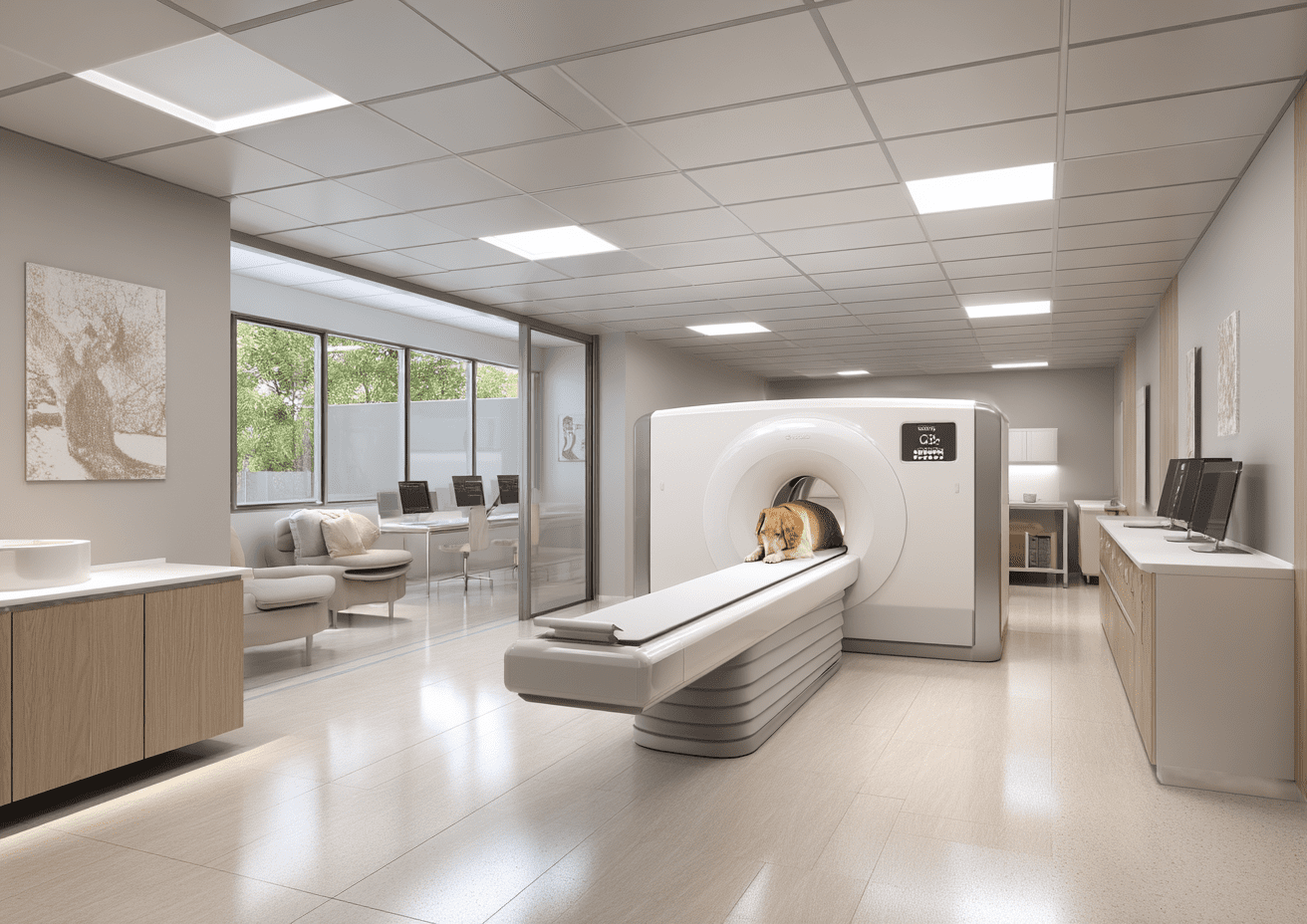
Arrhythmias are critical issues in veterinary cardiology. They pose significant challenges in diagnosis and management across various veterinary practices. Understanding these common arrhythmias enhances patient outcomes and operational efficiency in veterinary clinics. This blog aims to educate veterinarians, veterinary technicians, and practice managers about identifying and addressing these cardiac irregularities.
What are Common Arrhythmias?
Common arrhythmias in animals include atrial fibrillation, ventricular tachycardia, and premature ventricular contractions (PVCs). Atrial fibrillation (AF) is frequently seen in older dogs, especially those with underlying heart disease. Conversely, ventricular tachycardia, which can arise from structural heart problems, may be life-threatening and requires immediate intervention.
Recognizing these arrhythmias is critical, as they can affect different species and breeds in unique ways. For example, certain dog breeds, such as Doberman Pinschers, are more predisposed to developing specific types of arrhythmias.
How to Diagnose Arrhythmias
Diagnosis typically involves a thorough physical exam and diagnostic tools such as:
- Electrocardiograms (ECGs)
- Holter monitors
- Radiographs
- Ultrasound
ECGs are vital for identifying arrhythmias. However, their interpretation can be challenging. It is crucial for veterinarians, especially those in urgent care and emergency settings, to be adept at recognizing arrhythmias quickly. Mixed animal practitioners may also face unique diagnostic challenges, necessitating specialized training in veterinary cardiology.
Management Strategies in Clinical Practice
Managing arrhythmias effectively requires a comprehensive strategy. Options may include:
- Pharmacological interventions
- Electrophysiological studies
- Surgical options like pacemaker implantation
For general practice veterinarians, establishing a network with board-certified internal medicine specialists can streamline referrals for complicated cases. Understanding how to adjust treatment protocols according to patient needs is essential, particularly for critical care veterinarians managing acute cases.
Industry Trends Affecting Arrhythmia Management
There is a growing emphasis on advanced veterinary cardiology. Emerging technologies are reshaping how clinics approach diagnostics and treatment. For instance, telemedicine is becoming more integrated into veterinary practices, allowing specialists to consult in real-time and improve patient care.
As veterinary medicine continues to evolve, staying informed about the latest research and guidelines related to arrhythmias is crucial. The advent of new therapeutic agents and devices necessitates ongoing education and adaptation on the part of veterinary teams.
Workforce Realities in Veterinary Cardiology
There is a notable demand for veterinarians specializing in cardiology. Due to the complexity of cardiac cases, clinics often face staffing challenges. Practice owners and managers should actively seek to build strong teams, enhancing the capability to handle cases involving arrhythmias and other cardiac issues.
Consider implementing mentorship programs for emerging veterinarians. This promotes skill development in various aspects of veterinary cardiology, improving diagnostic competencies and patient outcomes.
Conclusion
In conclusion, understanding common arrhythmias and their management is essential for improving patient care within veterinary clinics. Clinicians are encouraged to enhance their skills in veterinary cardiology through ongoing education and collaboration with specialists. Pulivarthi Group stands ready to support veterinary clinics in their staffing needs. By providing access to a diverse pool of talent across various roles, including Associate Veterinarian, Emergency Veterinarian, and Veterinary Internal Medicine Specialist (DACVIM), we help practices enhance their capabilities in managing complex cases like arrhythmias. Together, we can ensure that your team is well-prepared to meet the needs of every patient.