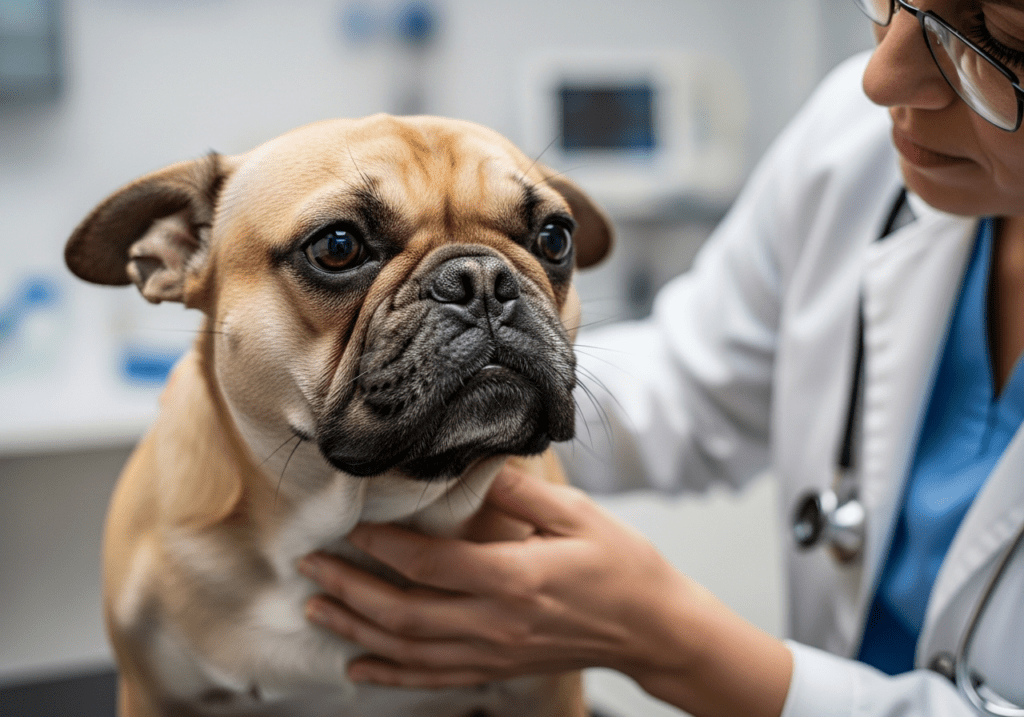
Brachycephalic obstructive airway syndrome (BOAS) poses significant challenges for veterinarians and pet owners alike. This condition affects many brachycephalic dog breeds, including Bulldogs, Pugs, and Boxers, which all have anatomic abnormalities that hinder proper airflow. Understanding the complexities of BOAS is essential for veterinary clinics, as it influences patient care, operational policies, and treatment strategies.
Understanding the Anatomic Abnormalities
Brachycephalic dogs exhibit marked anatomic abnormalities that contribute to airway resistance. Their short muzzles lead to a compromised upper airway structure. Key features typically include:
- Stenotic nares (narrowed nostrils)
- Hypoplastic trachea (underdeveloped windpipe)
- Elongated soft palate
These issues can cause varying degrees of respiratory distress. For general practice veterinarians, diagnosing BOAS requires keen observation during clinical exams. As a result, early intervention becomes crucial for enhancing the quality of life for affected dogs.
Treatment Approaches for Brachycephalic Dogs
Effective management hinges on understanding when surgical intervention is necessary. For example, some cases might benefit from cosmetic procedures, such as nostril widening or soft palate resection. In urgent care or emergency settings, veterinarians must quickly assess a dog’s respiratory status to apply appropriate therapies. Techniques such as supplemental oxygen therapy, corticosteroids, and even intubation may be needed in severe cases.
The Role of Specialized Care
For veterinary internal medicine specialists, managing chronic cases of BOAS involves a comprehensive understanding of the respiratory health of these patients. Monitoring potential complications—such as laryngeal collapse—becomes imperative as dogs age. Additionally, board-certified veterinary internal medicine specialists (DACVIM) can offer essential insights into advanced treatment options, enhancing overall respiratory function.
Operational Efficiency in Practices
Veterinary clinics should consider implementing education programs focusing on BOAS. Training staff on identifying symptoms can streamline patient assessments, which is crucial during busy practice hours. As an urgent care or emergency veterinarian encounters these cases, having a well-prepared team can make all the difference in patient outcomes.
Current Trends in Veterinary Practice
As the veterinary field evolves, awareness surrounding brachycephalic airway syndrome continues to grow. There is an increasing push for responsible breeding practices to mitigate the prevalence of BOAS in the canine population. For mixed animal veterinarians, understanding how BOAS affects food animals versus companion animals expands their depth of knowledge, providing comprehensive care across different species.
Conclusion
Understanding brachycephalic obstructive airway syndrome is vital for optimal patient care within veterinary clinics. As this condition continues to impact the health of various breeds, we’re reminded of the importance of proactive education and treatment strategies. The Pulivarthi Group stands ready to support veterinary practices by providing access to skilled professionals across numerous specialties, including associate veterinarians, urgent care specialists, and internal medicine experts. Partnering with Pulivarthi Group can help your clinic maintain high standards of care for all patients, especially those grappling with the challenges inherent in BOAS.