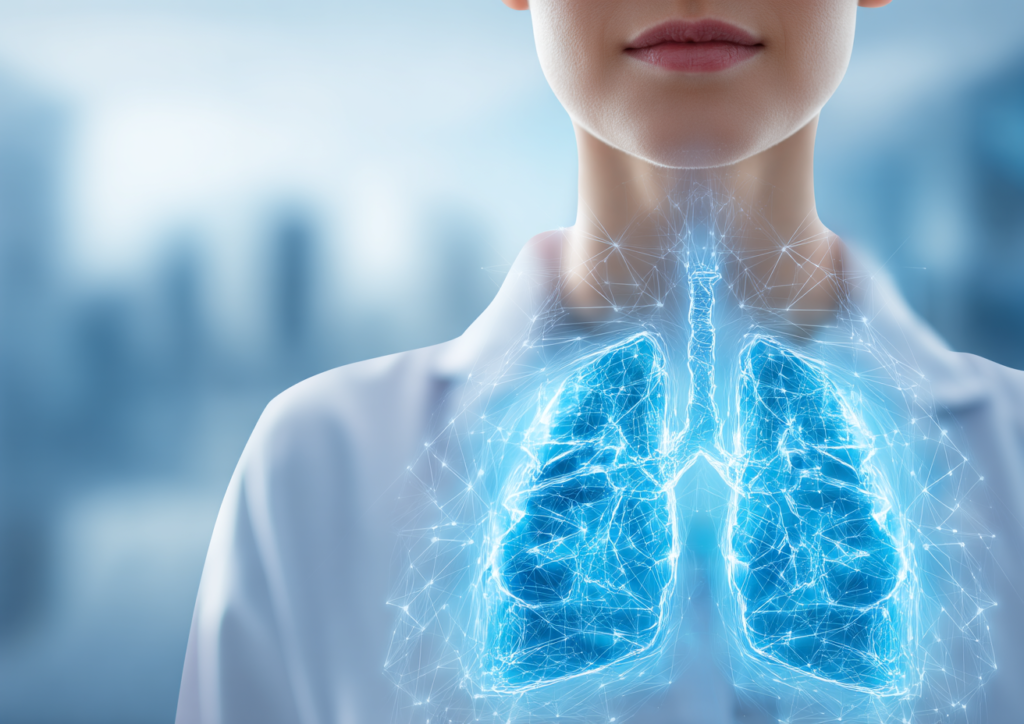
Aerodigestive disorders (AeroD) significantly impact the veterinary practice, especially concerning airway protection. These disorders affect the interplay between the respiratory and digestive systems, posing unique challenges to veterinarians. Understanding AeroD is crucial for veterinary clinics to ensure comprehensive patient care.
Understanding Aerodigestive Disorders
Aerodigestive disorders include various conditions that compromise airway function and can lead to serious consequences. These disorders may result from underlying esophageal diseases or respiratory issues, impacting how patients breathe and swallow. For veterinary professionals, recognizing these disorders early is vital. Timely diagnosis can make a significant difference in treatment outcomes.
Veterinarians must be vigilant in observing clinical signs associated with AeroD. Signs may include coughing, gagging, or difficulty swallowing. Urgent care veterinarians frequently encounter these signs in emergency situations, where rapid intervention can protect the airway and ensure patient stability.
Challenges in Diagnosing AeroD
Diagnosing AeroD can be particularly challenging due to its often subtle manifestations. Therefore, veterinary clinics must develop effective diagnostic protocols. This includes a thorough physical examination, imaging studies, and possibly endoscopic evaluations. Each of these elements contributes to creating a comprehensive picture of the patient’s health.
For instance, a general practice veterinarian may initially assess a pet showing signs of distress but might refer the case to a board-certified veterinary internal medicine specialist (DACVIM) for more specialized diagnostic imaging and treatment options. Such collaboration enhances the quality of care provided and ultimately benefits the patient.
Implications for Veterinary Practice
As the understanding of aerodigestive disorders evolves, veterinary clinics must adapt their operational practices. Transitioning towards a more integrated approach in patient evaluation can lead to better outcomes. In particular, clinical staff should receive training to identify potential AeroD signs early.
Moreover, a mixed animal veterinarian may deal with AeroD differently than a shelter veterinarian, who might focus on a diverse population with varying needs. Tailoring the diagnostic and treatment approach to specific populations ensures that every patient receives optimum care.
Improving Operational Efficiency
Efficiency in managing AeroD cases integrates strong communication among the veterinary team. Urgent care veterinarians can provide immediate support by stabilizing acute cases, while general practice veterinarians can develop follow-up care plans. Implementing a multi-disciplinary approach enhances workflow and minimizes delays in patient care.
- Regular training sessions can better prepare staff for recognizing and managing AeroD.
- Developing a standardized protocol for diagnosing and treating AeroD can streamline processes.
- Utilizing technology for patient records can improve tracking and collaboration among team members.
Conclusion
In conclusion, understanding aerodigestive disorders (AeroD) is essential for veterinary clinics to improve patient care and operational efficiency. By recognizing the implications of these disorders, veterinarians and clinical staff can work collaboratively to develop effective diagnostic and treatment strategies. Accessing specialized talent through a partner like Pulivarthi Group can also help veterinary clinics find skilled professionals across various roles, ensuring comprehensive care for all patients.