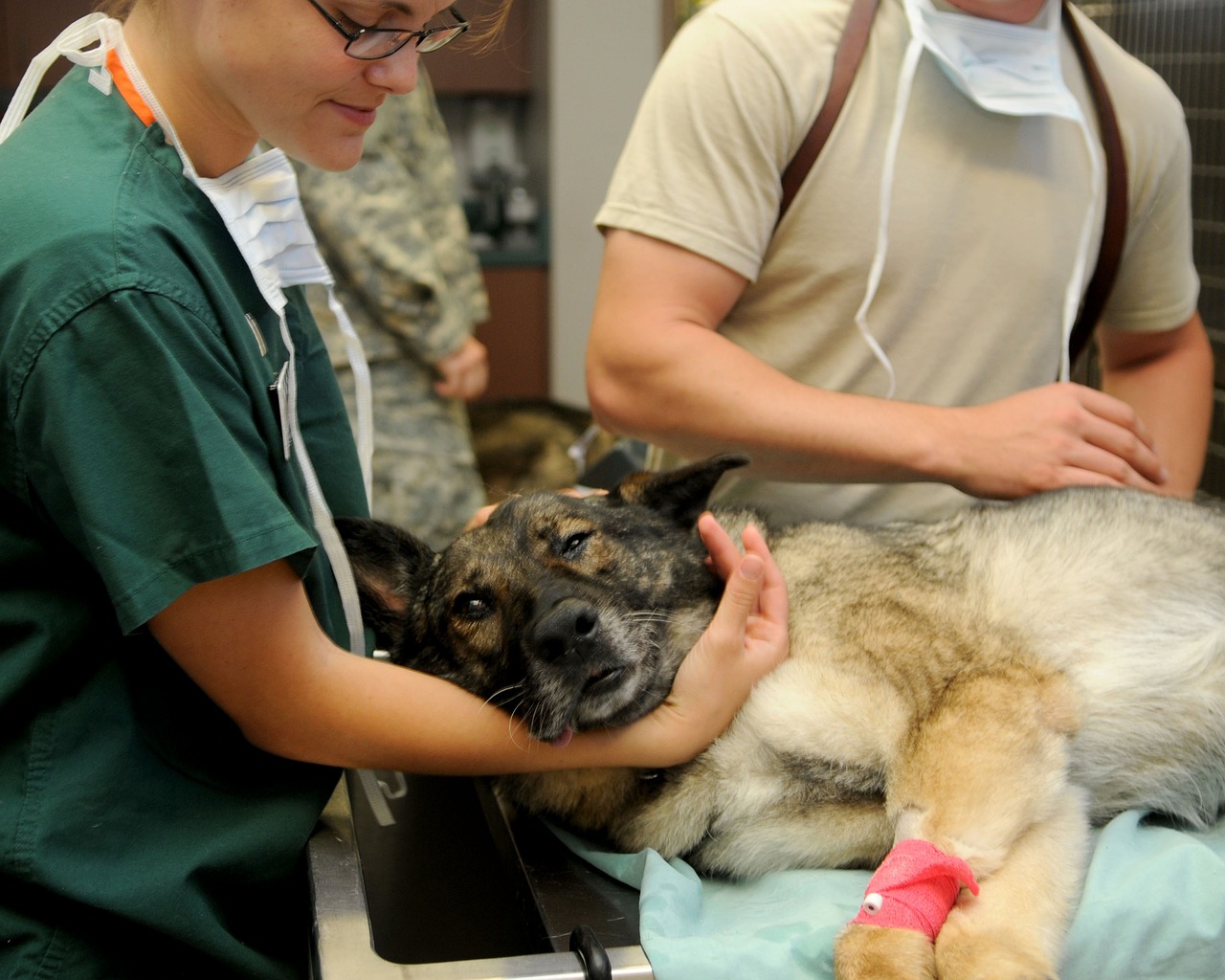
Veterinary medicine continues to evolve rapidly, driven by advancements in technology and research. These innovations not only enhance patient care but also improve operational efficiency within veterinary clinics. For veterinarians and clinic managers, understanding these advancements is crucial for staying competitive and providing the best possible care.
Key Innovations in Veterinary Technology
Recent technological innovations have significantly transformed veterinary practices. Telemedicine, for instance, allows veterinarians to consult with pet owners remotely. This shift has been especially beneficial for urgent care veterinarians, enabling them to evaluate situations quickly. Additionally, advanced imaging technologies such as MRI and ultrasound provide clearer diagnostic capabilities, crucial for specialists like veterinary internal medicine specialists.
Moreover, electronic health records (EHR) streamline practice management. They help general practice veterinarians track patient histories efficiently, ensuring that each consult builds on previous visits. This tool not only saves time but also enhances patient safety by reducing errors.
Operational Efficiency in Veterinary Clinics
Enhancing operational efficiency is a primary concern for practice owners and managers. Many clinics are adopting lean management principles to minimize waste and optimize processes. For example, implementing appointment scheduling software can reduce wait times, enhancing client satisfaction. Urgent care veterinarians benefit directly from these improvements, as quick service can be critical in emergencies.
In addition, training staff on best practices can significantly improve workflow. For veterinary clinical staff, understanding their roles in the operational chain is paramount. This consideration leads to smoother day-to-day operations, which is vital in high-pressure environments, particularly in emergency veterinary settings.
Trends Shaping Patient Care
As veterinary medicine grows, so do the expectations of pet owners regarding quality care. There is an increasing demand for more personalized and comprehensive treatment plans. This trend is particularly relevant for mixed animal veterinarians who must coordinate care across different species and health needs.
Additionally, emphasizing preventive care is becoming standard practice. This approach not only benefits the health of individual animals but also fosters long-term relationships with clients. Offering wellness programs and regular check-ups can position a clinic as a leader in community medicine, thereby attracting new clients.
Workforce Realities in Veterinary Medicine
One of the most pressing challenges in the veterinary industry today is workforce shortages. Specialized roles like emergency veterinarians and board-certified veterinary internal medicine specialists are often in high demand but hard to fill. The competition for talent can be fierce, pushing practice owners to explore innovative hiring strategies.
Furthermore, clinics need to create supportive environments to retain staff. Providing opportunities for continuing education and professional development is essential. Clinics that invest in their teams not only improve job satisfaction but also enhance patient outcomes by ensuring that staff remain on the cutting edge of veterinary medicine.
Conclusion
In conclusion, advancements in veterinary medicine provide numerous benefits for clinics and their patients. By understanding current trends, prioritizing operational efficiency, and addressing workforce realities, veterinary practices can thrive in a competitive landscape. Pulivarthi Group stands ready to support veterinary clinics in navigating these challenges, providing access to sought-after talent across a variety of roles, from associate veterinarians to specialized internal medicine experts. Together, we can enhance the quality of care offered in veterinary clinics, ensuring the best outcomes for pets and their owners.