Revolutionizing Autism Detection with Wearable Technology
Wearable technology for autism detection is emerging as a groundbreaking approach in mental health care. The early detection of autism and developmental conditions in infants is critical for timely intervention. This is especially relevant in an environment where mental health needs continually evolve, and understanding these needs can enhance care delivery in various settings, from outpatient clinics to rehabilitation facilities. Thus, embracing innovative solutions like wearable technology can significantly impact patient outcomes.
The Current Landscape of Autism Detection
Traditionally, autism diagnosis relies on behavioral assessments conducted during developmental check-ups. However, many parents and clinicians face challenges in recognizing early signs of autism spectrum disorder (ASD) due to the often subtle nature of initial symptoms. This can lead to delays in diagnosis and treatment, lasting implications for children’s development. Current studies, such as those funded by UCLA Health’s $3.1 million grant, aim to test wearable technology that monitors infant movement for autism detection. These advancements could potentially shift how healthcare professionals, including Clinical Psychologists and Licensed Clinical Social Workers (LCSWs), approach screenings in their clinical practice.
Wearable Technology: How Does It Work?
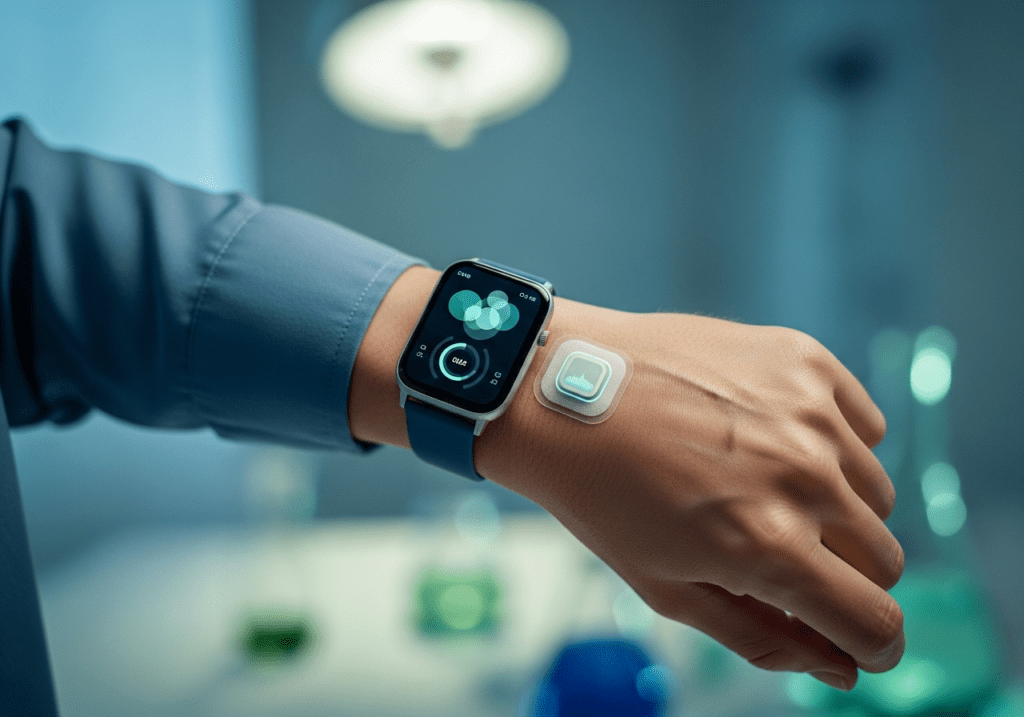
Wearable devices designed for health monitoring can capture vast amounts of data related to movement patterns in infants. These smart wearables assess typical versus atypical motor development, offering a comprehensive view of early behavioral signs of autism. For instance, the study assesses how wearables can track infant interactions and movements, providing data that can inform decisions by parents and clinicians alike.
This innovation aligns with the future of wearable technology in mental health: enhancing diagnostic processes through data-driven insights. The immediate implications for professionals like Psychiatric Mental Health Nurse Practitioners (PMHNPs) and Board Certified Behavior Analysts (BCBAs) are significant, as the insights gleaned from these devices will support early interventions tailored for individual needs.
Addressing Key Challenges in Care Delivery
One of the main challenges faced by mental health providers is the lack of resources and time during initial assessments. Wearable technology offers a solution that can reduce clinician burden by gathering objective data remotely. As a result, this allows therapists and other mental health professionals to focus on personalized interventions once a potential diagnosis is established.
- Timely monitoring of infant behavior for early signs of autism.
- Enhanced collaboration among clinical teams through shared data insights.
- Support for parents during early stages of observation and evaluation.
- Reduction of unnecessary in-clinic visits for preliminary assessments.
The Evolution of Clinical Practices
As the landscape of mental health evolves, the integration of wearable technology necessitates a shift in practice models. For outpatient clinics and specialty care centers, adapting to new technology means training clinical staff to interpret data generated by these wearables effectively. This is essential for making informed clinical decisions and improving patient outcomes. Additionally, technology adoption should align with regulatory considerations that govern safe and ethical data use, ensuring compliance across settings.
Conclusion: Partnering for Progress
UCLA Health’s efforts towards developing wearable technology for autism detection illustrate the immense possibilities of healthcare innovation. By enabling early detection, these devices enhance the clinical capabilities of mental health professionals, including Psychiatrists and LCSWs, who play crucial roles in the therapeutic process. As organizations navigate the complexities of adopting new technologies in mental health care, Pulivarthi Group stands ready to support. We specialize in connecting healthcare providers with skilled professionals across various settings. Whether it’s outpatient clinics, rehabilitation facilities, or specialty centers, partnering with us ensures access to top-tier clinical talent that can drive improvements in care and patient outcomes.