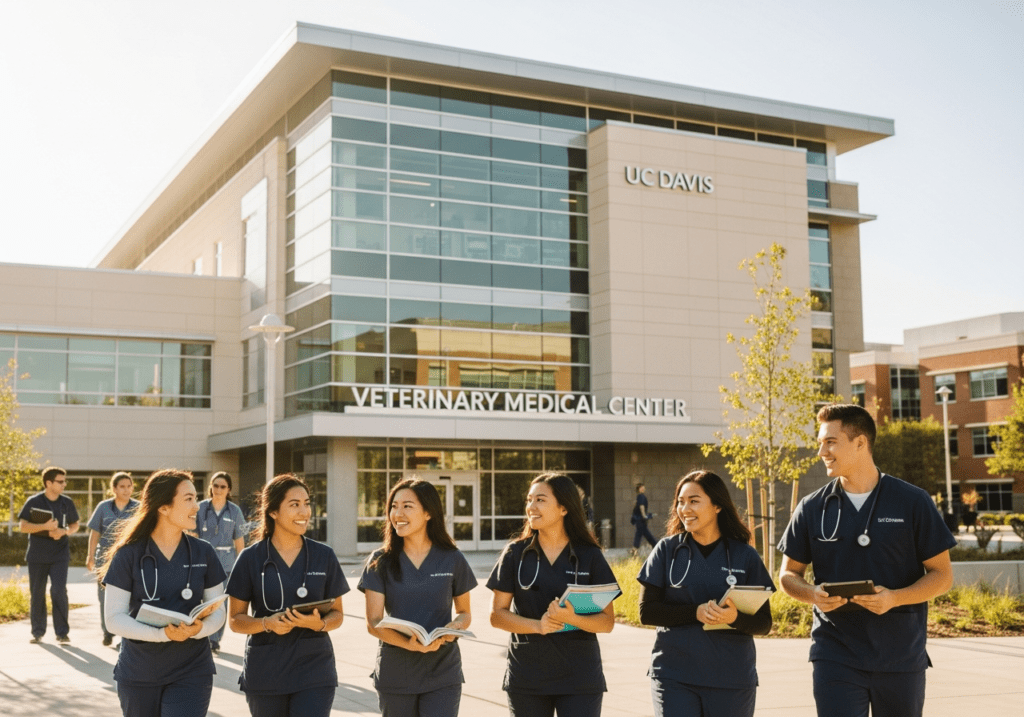
A transformative $75 million gift to UC Davis aims to revolutionize veterinary education with a new teaching hospital. This investment represents a significant milestone for the veterinary industry, particularly for veterinary clinics across the United States, including California. As veterinary professionals, we must understand how this funding will impact clinical practice, patient care, and operational efficiency in our field.
Enhancing Veterinary Training Facilities
The current demand for improved training facilities in veterinary medicine cannot be overstated. Many clinics face challenges related to staffing and patient management, which often stem from insufficient resources for training future veterinarians. The new teaching hospital at UC Davis hopes to address these challenges by providing advanced facilities and technologies for veterinary students.
Veterinary clinics can expect to see a more skilled workforce. For example, training in specialized areas such as internal medicine or emergency care will be enhanced. This support is essential for roles like Associate Veterinarians and Emergency Veterinarians who must constantly adapt to new healthcare protocols and technologies.
The Importance of Specialized Training
As veterinary clinics increasingly specialize, the need for specifically trained personnel grows. With funding directed towards veterinary education, future Associate Veterinarians and specialist roles will emerge with a more comprehensive set of skills. Furthermore, this investment showcases a commitment to interdisciplinary training, fostering collaboration among general practitioners and specialists such as Board-Certified Veterinary Internal Medicine Specialists (DACVIM).
For example, the curriculum changes at UC Davis may lead to more robust training for food animal veterinarians and shelter veterinarians. Enhanced knowledge in these areas can improve on-the-ground practices in clinics, promoting better care for diverse patient populations.
Operational Efficiency and Best Practices
Improved training facilities will not only elevate the skills of new veterinarians but will also impact the operational efficiency of veterinary clinics. As practitioners become better trained in the latest technologies and procedures, the potential for optimizing workflows increases.
For instance, urgent care veterinarians can benefit from state-of-the-art simulations in emergency medicine. This hands-on practice can lead to faster diagnoses and treatment, ultimately resulting in better patient outcomes. By fostering a top-tier educational environment, clinics can expect a ripple effect: improved patient care, enhanced client satisfaction, and higher operational efficiency.
Addressing Key Challenges in the Industry
Despite these positive developments, the veterinary industry faces ongoing challenges. The shortage of veterinary staff remains a pressing issue, exacerbated by the increasing demands on clinics. Clinics often struggle to attract qualified candidates, especially for critical care veterinarians.
The new veterinary teaching hospital at UC Davis may yield long-term solutions. By better preparing graduates, we can address staffing shortages and improve retention rates across veterinary roles. This will have lasting effects for clinics, allowing them to maintain high standards of patient care and operational performance.
Conclusion
The $75 million investment into UC Davis’ veterinary teaching hospital represents a watershed moment for veterinarians, clinics, and the overall veterinary education landscape. With advancements in training facilities and educational resources, the future of veterinary medicine looks promising. As clinics, we must leverage these developments by investing in the education and training of our staff. Pulivarthi Group stands ready to assist veterinary clinics in finding the talent needed to thrive in this evolving landscape. Together, we can ensure that clinics are equipped with the right professionals, from General Practice Veterinarians to Veterinary Internal Medicine Specialists, to deliver exceptional care.