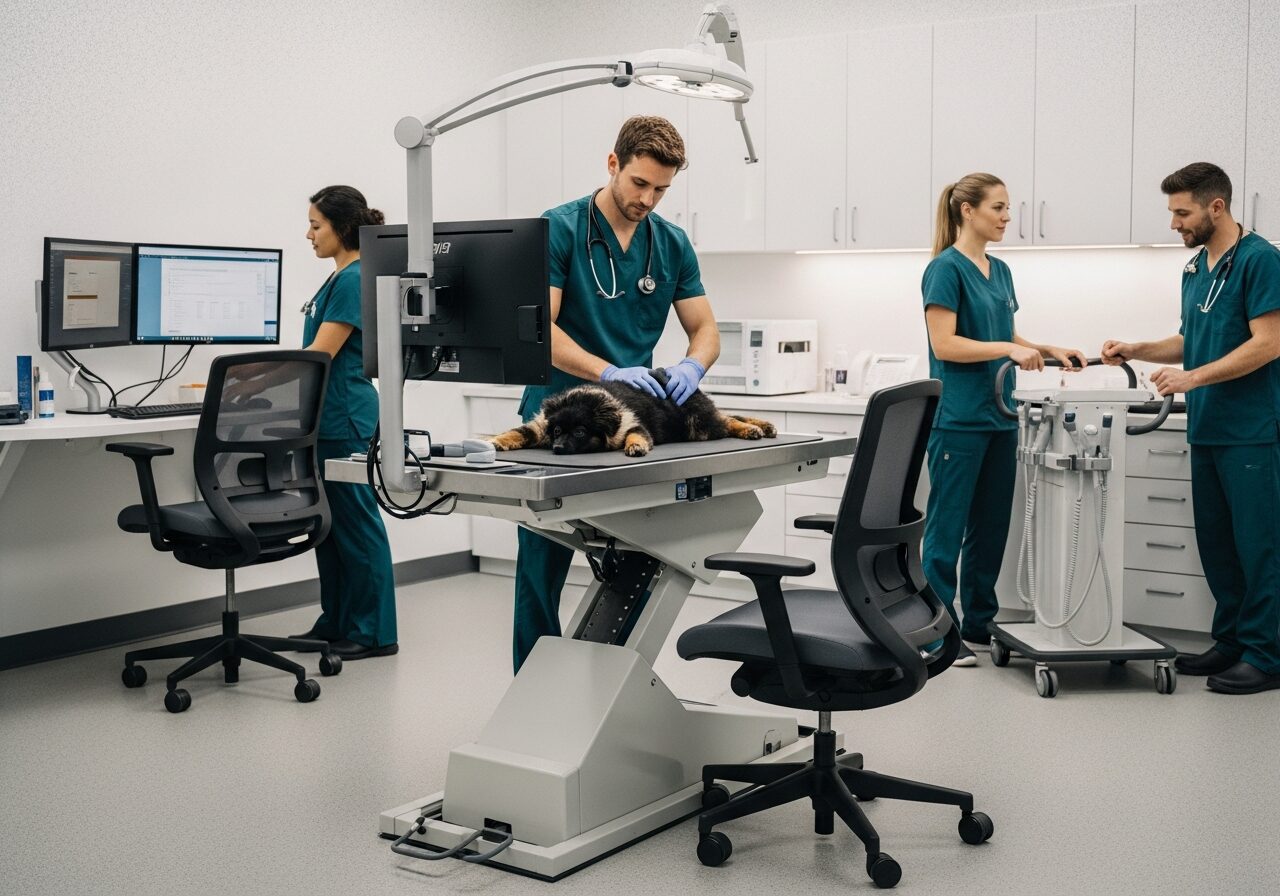
As we look towards the future in behavioral health, the advent of ambient AI showcases revolutionary potential in clinical care delivery. For mental health clinics, hospitals, and specialty care centers alike, this emerging technology promises to enhance patient-provider encounters and streamline various operational aspects. Inadequate previous ambient AI solutions often hampered clinicians’ ability to document interactions efficiently. However, newer innovations point towards a much-needed shift.
Enhancing Patient Interactions
Ambient AI systems are designed to integrate seamlessly into clinical environments, minimizing the cognitive burden typically faced by mental health professionals. Through intelligent documentation, these systems can capture rich, contextual data during patient sessions. This capability allows clinicians—such as Clinical Psychologists and Psychiatrists—to focus more on patient care rather than administrative tasks. In implementing these technologies, providers can significantly improve patient outcomes.
Moreover, technologies like Heidi facilitate efficient information retrieval, enabling staff, including Psychiatric Mental Health Nurse Practitioners (PMHNPs) and Licensed Clinical Social Workers (LCSWs), to access essential patient data quickly. This access enhances decision-making processes during consultations, thus nurturing effective therapeutic relationships.
Operational Efficiency within Various Care Settings
The challenges posed by documentation requirements differ widely across outpatient clinics, inpatient facilities, and rehabilitation centers. For example, outpatient clinics may experience reduced session times due to cumbersome documentation, while rehabilitation facilities may struggle with extensive paperwork related to patient progress tracking. In each setting, the deployment of ambient AI can lead to significant operational improvements.
- Facilitates real-time documentation during patient encounters.
- Reduces reliance on extensive post-session notes.
- Increases patient engagement by allowing providers to maintain eye contact and genuine interactions.
Furthermore, specialty care centers, such as Autism and Intellectual/Developmental Disability (IDD) facilities, benefit uniquely from ambient AI. By employing systems capable of adjusting to the nuanced needs of their patient population, these centers can provide more tailored and effective interventions. The role of Board Certified Behavior Analysts (BCBAs) becomes pivotal, as they interpret AI-generated data to refine behavior intervention plans, ultimately promoting better outcomes.
Regulatory Considerations
As with any technology adoption in healthcare, regulatory compliance remains a critical aspect. Mental health providers must navigate various regulations concerning patient privacy and data security. Providers must consider how ambient AI innovations align with HIPAA and other regulatory frameworks. By ensuring that their ambient AI solutions comply with these requirements, facilities not only protect patient information but also foster a culture of trust.
Industry Trends and Workforce Realities
The integration of ambient AI also aligns with broader industry trends emphasizing technology adoption to enhance patient-provider interactions. By 2026, we foresee a workforce transformation where emerging roles in mental health, such as Psychiatric Physician Assistants (PA-Cs), leverage these tools to improve service delivery. Establishing an efficient workflow will become crucial as healthcare demands continue to grow.
Current workforce realities emphasize the importance of supporting each mental health professional’s capabilities. By encouraging ongoing training and adaptation to new technologies, organizations can cultivate an environment conducive to growth and excellence in care delivery.
Conclusion
In conclusion, ambient AI represents a frontier of opportunities in behavioral health that promise to transform clinical interactions and improve operational efficiency. As mental health providers explore innovative technologies, they can uniquely position themselves to offer enhanced patient experiences while alleviating some of the administrative burdens they face. Pulivarthi Group stands ready to partner with mental health organizations to access skilled professionals, including Clinical Psychologists, PMHNPs, BCBAs, Psychiatric PA-Cs, LCSWs, and Psychiatrists. Together, we can navigate this exciting landscape, ensuring that facilities remain agile and well-equipped to meet the evolving demands of mental health care.