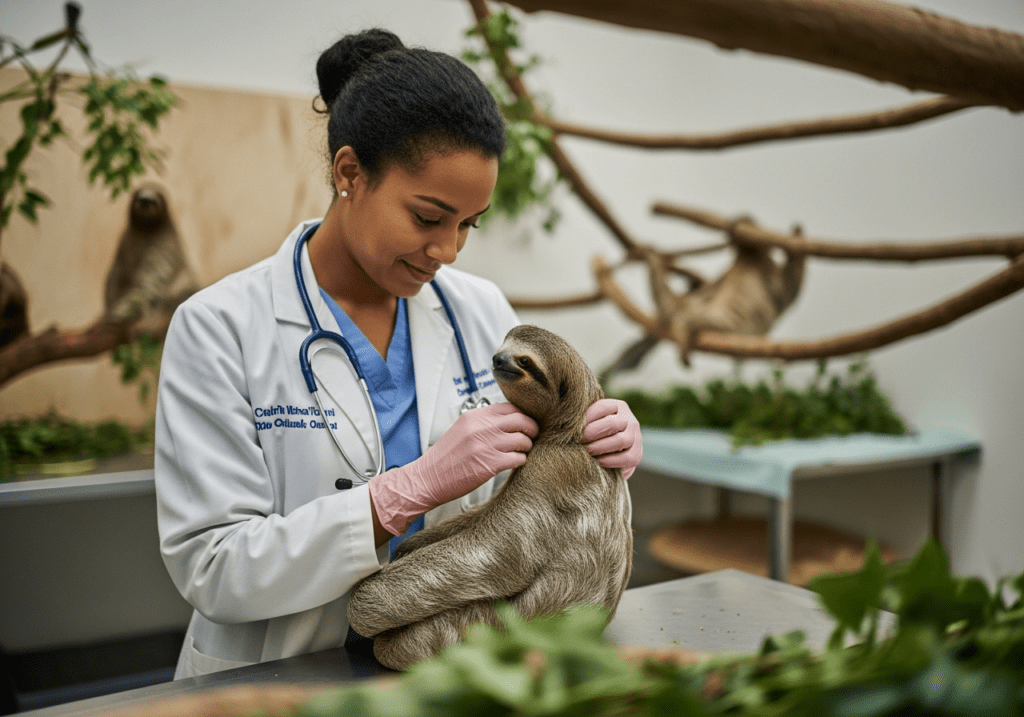
The recent sloth rescue of thirteen animals from Sloth World in Orlando illustrates critical veterinary care and animal welfare challenges. Veterinary clinics play a pivotal role in ensuring these unique animals receive the comprehensive care they need during recovery. This situation not only highlights the importance of animal welfare but also the hands-on commitment of veterinary professionals in rehabilitating wildlife.
Understanding the Sloth Rescue Process
The process of sloth rescue involves several significant steps. Initially, rescued wildlife like sloths undergo thorough assessments by experienced veterinarians. This includes evaluating their physical health, nutrition, and psychological well-being. Depending on the extent of their injuries or health needs, different types of veterinary specialists might be involved. For example, a veterinary internal medicine specialist may manage internal health issues while critical care veterinarians address immediate life-threatening conditions.
- Initial health assessments
- Nutritional planning and management
- Monitoring behavioral recovery
Each of these steps requires collaboration among veterinarians, veterinary nurses, and clinical staff to ensure comprehensive care. The role of an emergency veterinarian may be particularly vital in these cases, especially if the sloths present with acute injuries or distress during the rescue.
Operational Challenges in Veterinary Care for Rescued Wildlife
Veterinary clinics often face unique operational challenges when caring for rescued wildlife such as sloths. Limited resources can strain facilities that are often designed for domestic animals. Additionally, the unpredictability of animal behavior post-rescue requires specialized training. The skills of general practice veterinarians and urgent care veterinarians become invaluable in these situations, as they adapt to various needs and demands.
Moreover, ensuring that veterinary staff are trained in wildlife medicine can be critical. Workshops focused on the nuances of treating exotic species can enhance clinic capabilities. For instance, managing the dietary needs of sloths may differ significantly from that of common domestic pets. Thus, veterinary clinics must foster a culture of continuous learning and adaptation.
Collaboration in Wildlife Rehabilitation Efforts
Successful rescue and rehabilitation require collaboration between various stakeholders. Veterinary clinics frequently work alongside wildlife rehabilitation organizations, conservationists, and local governments to create effective recovery plans. This collaboration ensures that sloths receive appropriate veterinary care and that clinical knowledge is shared across sectors.
- Establishing partnerships with rehabilitation facilities
- Coordinating training programs for staff
- Implementing best practices in animal welfare
Shelter veterinarians and community medicine veterinarians can also contribute significantly, especially in educating the public about wildlife conservation and the need for professional veterinary support during rescue operations.
Future Trends in Veterinary Care for Rescued Wildlife
The demand for expertise in wildlife veterinary care, such as sloths, continues to grow. As more animals require rescue, the need for skilled professionals becomes increasingly crucial. This trend requires veterinary clinics to be proactive in recruiting specialized talent such as mixed animal veterinarians and board-certified veterinary internal medicine specialists (DACVIM).
Innovations in veterinary technology can further enhance care. For example, telemedicine could facilitate remote consultations for complex cases. This has implications for emergency veterinarians, who may be called upon to provide immediate advice to local clinics during rescue operations.
Conclusion
The rescue of thirteen sloths from Sloth World sheds light on the critical intersection of veterinary care and wildlife rehabilitation. As veterinary clinics adapt to meet the challenges of animal welfare, cooperation among diverse roles will be key. Pulivarthi Group stands ready to support veterinary clinics by connecting them with talented professionals across specialized areas, ensuring your clinic is equipped to provide the best possible care for all creatures, great and small.