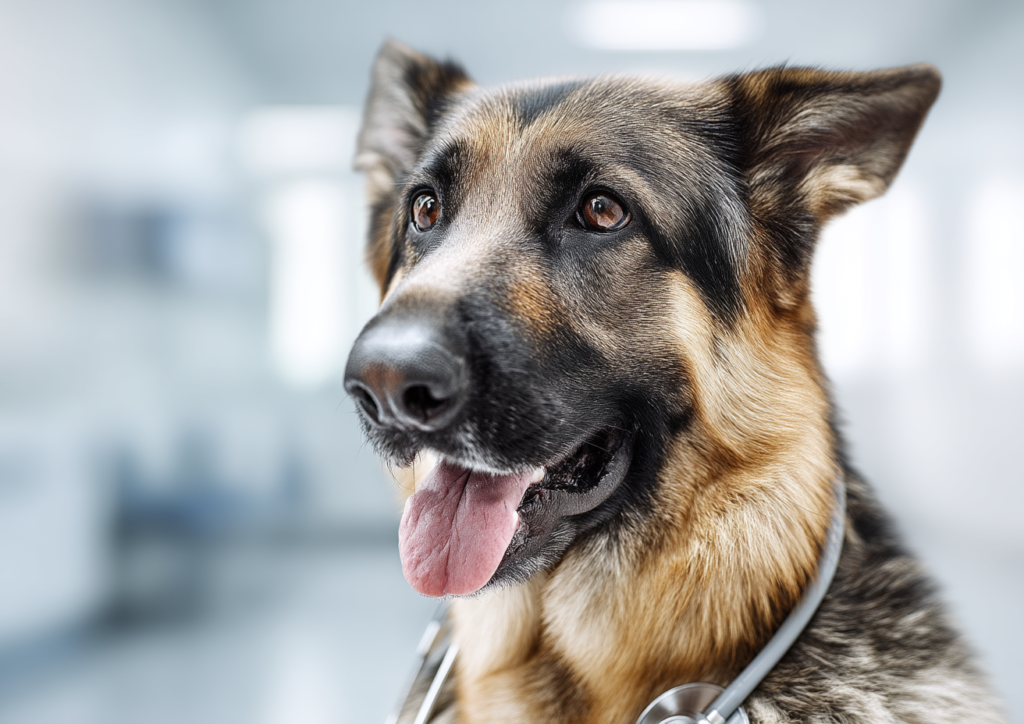
A recent study finds that therapy dogs significantly reduce loneliness in psychiatric patients, improving their mental health outcomes. The integration of animal-assisted therapy is gaining traction, especially as mental health challenges surge in various populations. For veterinary clinics, understanding the role of therapy dogs in mental health can enhance community engagement and open opportunities for new services.
Understanding the Role of Therapy Dogs
Therapy dogs provide emotional support that directly addresses issues like loneliness in patients dealing with mental health disorders. They offer companionship and a non-judgmental presence, which can lead to improved emotional well-being. In the context of veterinary practice, their role expands beyond companionship, serving as therapeutic partners in structured interventions.
Clinical Implications and Opportunities
For veterinary clinics focusing on mental health, incorporating therapy dogs can resonate with patients seeking holistic care. Vet teams, including Associate Veterinarians and support staff, can participate in training programs that prepare these dogs for specialized roles in therapeutic settings. This training ensures that therapy dogs are not only friendly but also responsive to the unique needs of psychiatric patients.
- Enhances patient engagement in therapy sessions.
- Reduces anxiety and fosters a calm clinic environment.
- Encourages social interaction among patients.
Industry Trends and the Need for Qualified Staff
As interest in animal-assisted interventions rises, so does the need for qualified personnel in veterinary clinics. This is particularly relevant for roles like General Practice Veterinarians and Emergency Veterinarians, who may encounter patients requiring emotional support. Furthermore, ensuring that staff members are trained in handling therapy dogs can enhance overall operational efficiency.
Challenges Faced by Veterinary Professionals
Some challenges include staff shortages and the need for ongoing training in animal behavior and therapy techniques. Ensuring that both Mixed Animal Veterinarians and those in urban settings like Shelter Veterinarians can effectively integrate therapy dogs into their practices can make a significant difference. Therefore, clinics should not only focus on therapy dog training but also on the recruitment of specialized staff.
Community Outreach and Education
Veterinary clinics have a unique opportunity to use therapy dogs to connect with local mental health organizations. This collaboration can foster community awareness about mental health and the benefits of therapy dogs. For instance, Community Medicine Veterinarians can promote animal-assisted therapy programs within their communities, thus addressing not only individual patient needs but also broader societal issues.
Conclusion
The role of therapy dogs in reducing loneliness among psychiatric patients highlights a significant opportunity for veterinary clinics. As the mental health landscape evolves, clinics can position themselves as integral players in the healing process. By focusing on enhancing animal-assisted interventions, clinics can improve patient care and operational efficiency. Pulivarthi Group is here to assist veterinary clinics in finding the right talent, ensuring they have skilled professionals, including Board-Certified Veterinary Internal Medicine Specialists and experienced Urgent Care Veterinarians, to support these initiatives effectively.