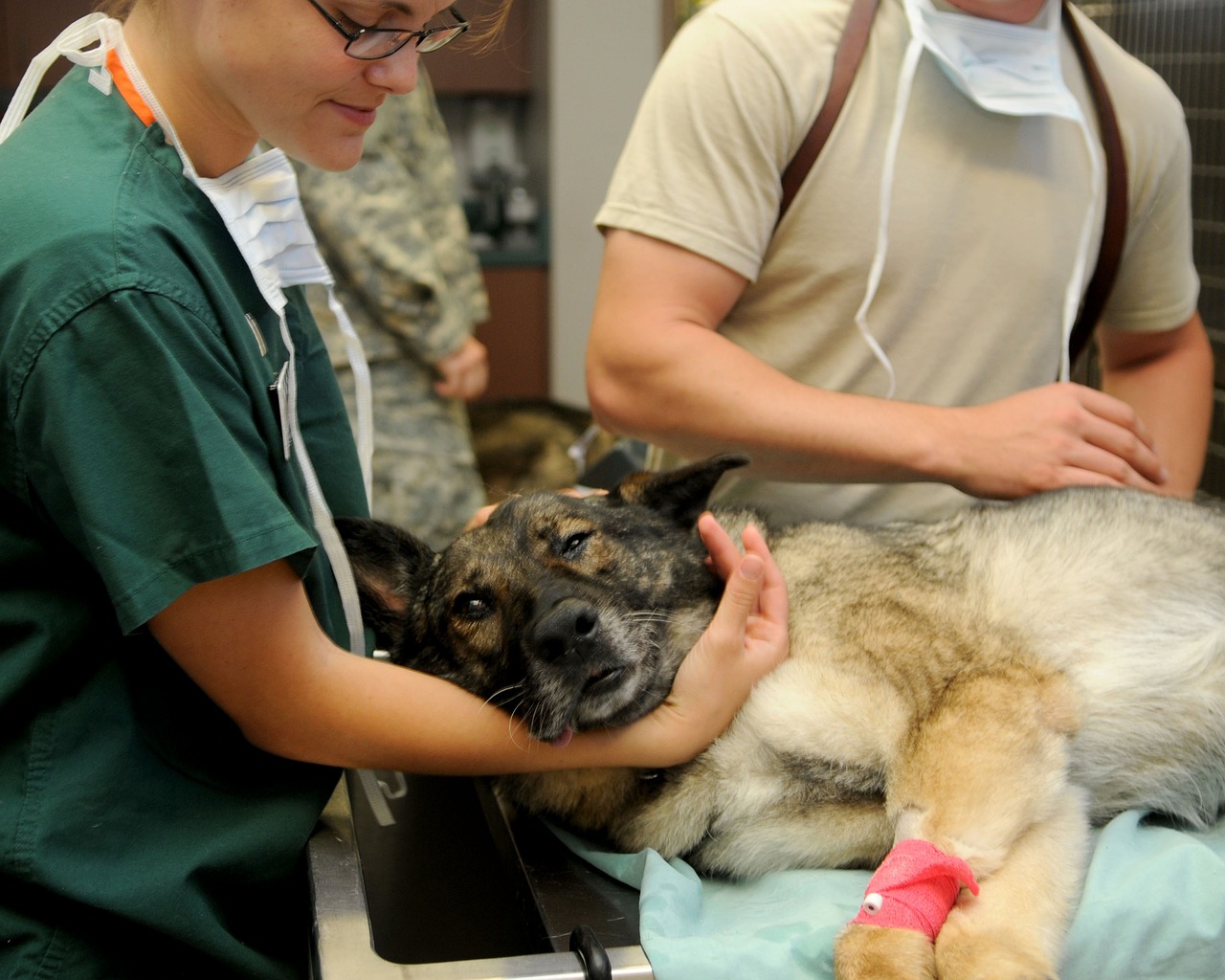
Veterinary diagnostics are crucial for effective patient care, and one of the most significant aspects of these diagnostic techniques is the fundus examination. This procedure allows veterinarians to observe the interior surface of the eye, which can provide vital information about an animal’s overall health. Understanding the complexities of fundus examinations is essential for improving veterinary practice outcomes, particularly for Associate Veterinarians, Emergency Veterinarians, and Veterinary Internal Medicine Specialists.
Understanding Fundus Examination
The fundus examination involves utilizing specific tools to visualize and assess the condition of the retina, optic disc, and blood vessels. This examination is not only diagnostic but also therapeutic in some cases. For example, a thorough examination can detect diseases such as hypertension, diabetes, and even neoplasia in their early stages, improving treatment success rates. Additionally, for veterinarians in urgent care and emergency settings, understanding how to perform a fundus examination can expedite diagnosis and improve patient outcomes under pressure.
However, many veterinary clinics face challenges in executing this technique effectively. One common issue is lacking proper equipment or training. Ensuring that all staff members, from General Practice Veterinarians to Veterinary Technicians, have the necessary skills and tools to perform a fundus examination is key. Therefore, investment in high-quality equipment and training programs can markedly enhance clinical diagnostics.
Training and Skill Development
To improve fundus examination skills, clinics should consider ongoing education and training initiatives. Workshops, online courses, and collaborative learning opportunities can significantly enhance the proficiency of veterinarians and their clinical staff. For Specialists, such as Board-Certified Veterinary Internal Medicine Specialists, it can be particularly beneficial to mentor less experienced veterinarians, thereby fostering an environment of continuous learning.
- Implement regular training sessions on fundus examination techniques.
- Encourage veterinary staff to share best practices and experiences.
- Provide access to cutting-edge diagnostic equipment that enhances examination capabilities.
Challenges in Clinical Settings
For mixed animal and food animal veterinarians, the examination of the fundus may present unique challenges due to the diversity of species they encounter. Adapting techniques for different animal types—for instance, understanding the anatomical differences in equine versus canine eyes—is essential. Thus, having a solid grasp of species-specific considerations enhances not just diagnostic accuracy, but also the quality of patient care.
In community medicine and shelter settings, veterinarians often work with limited resources. They substitute advanced equipment with alternative, cost-effective methods for examining the fundus. For instance, using handheld direct ophthalmoscopes can still yield valuable insights, allowing veterinarians to perform quality examinations without incurring substantial expenses.
Industry Trends: Technology’s Role
As technology advances, its role in veterinary diagnostics, including fundus examinations, continues to grow. Automated imaging systems and telemedicine platforms are becoming more prevalent. These innovations can improve accessibility and enhance collaborative efforts among veterinarians across different practices. As a result, veterinarians can share insights and discuss complex cases more easily, leading to better patient outcomes.
Veterinary clinics worldwide should embrace these technological trends. Leveraging AI and machine learning tools can ease the diagnostic load on clinical teams while providing accurate interpretations of fundus examinations. This frees up valuable time for veterinarians and improves overall practice efficiency.
Conclusion
Enhancing veterinary diagnostic skills, particularly in fundus examinations, is critical for successful patient outcomes. By investing in training and embracing technology, veterinary clinics can overcome challenges and improve operational efficiency. Partnering with Pulivarthi Group allows clinics to access skilled professionals across various roles, such as Associate Veterinarians, Emergency Veterinarians, and Veterinary Internal Medicine Specialists. Together, we can advance veterinary practice knowledge and improve patient care through effective diagnostics.