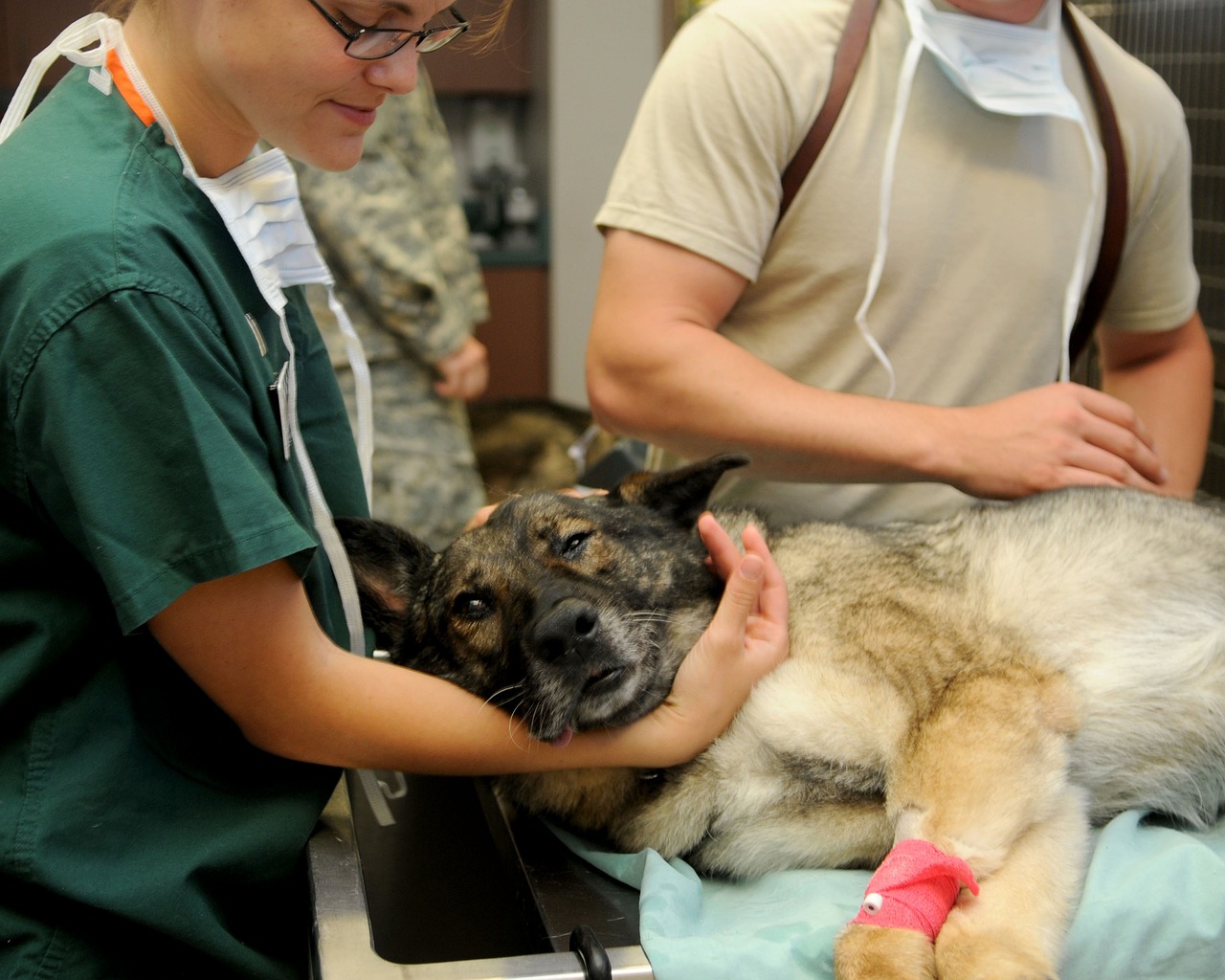
The integration of modern ICU systems in veterinary medicine is transforming how veterinary clinics approach patient care. For many clinics, technological advancements in ICU management can mean improved outcomes for critical patients. However, the shift raises critical questions about hypoxemia, antiquated oxygen delivery methods, and operational efficiency. As the AVMA and ACVAA refine their guidelines, the need for updated practices becomes essential, particularly with anticipated changes in 2025.
Understanding the Importance of ICU Systems
ICU systems are not merely an add-on to veterinary practices; they are vital components that directly influence patient outcomes. Incorporating advanced ICU chambers reduces recovery time and improves the quality of care. These systems often address challenges like hypoxemia—an oxygen deficiency in the tissues that can complicate recovery. Therefore, clinics need to stay ahead of emerging technology to ensure effective treatment pathways.
Addressing Key Challenges
Veterinary clinics face several hurdles concerning ICU setups. These challenges can vary based on practice specialization:
- Hypoxemia Management: Emergency veterinarians often encounter critical care scenarios where timely oxygen therapy makes a significant difference in recovery.
- Outdated Equipment: General practice veterinarians may find themselves using inadequate equipment that cannot support advanced monitoring. This lack of capability can directly impact efficiency.
- Operational Costs: The high expenditure associated with maintaining old systems can drain clinic resources. Investing in modern ICU systems ensures financial sustainability and fosters better patient care.
Implementing Modern Solutions
Modern ICU systems fundamentally change how clinics operate and treat patients. For example, mixed animal and food animal veterinarians benefit from mobile ICU units that can be transported directly to farms or facilities. Urgent care veterinarians often find that these units enhance their ability to stabilize patients efficiently. Furthermore, integrating telemedicine capabilities within ICU systems can facilitate remote consultations, allowing for collaborative care from specialists.
The Business Case for ICU Investments
Operational efficiency is key in today’s veterinary landscape. Investing in advanced ICU technologies not only improves outcomes but can also significantly enhance client trust. When clinics demonstrate a commitment to using the latest technology, they can attract and retain clients. As a result, an upgraded ICU setup can contribute to higher revenue streams for clinics while ensuring better patient experiences.
Looking Ahead: The AVMA/ACVAA Guidelines
As the veterinary community anticipates the 2025 AVMA/ACVAA guideline updates, clinics should consider how new protocols will influence care delivery. Embracing recommendations on modern ICU systems can position practices at the forefront of veterinary medicine. It’s crucial for clinics to engage in proactive staff training alongside technological adoption, ensuring all team members are prepared for the transitions ahead.
Conclusion
In summary, the evolution of ICU systems in veterinary medicine represents a vital advancement in patient care. Veterinary clinics must prioritize innovations that address challenges such as hypoxemia and operational efficiency. By investing in modern ICU systems, clinics can improve patient outcomes and enhance operational workflows. At Pulivarthi Group, we recognize that accessing specialized talent is crucial as practices evolve. We support veterinary clinics in finding skilled professionals, from Associate Veterinarians to Board-Certified Veterinary Internal Medicine Specialists (DACVIM). Together, we can navigate the future of veterinary care with confidence and expertise.