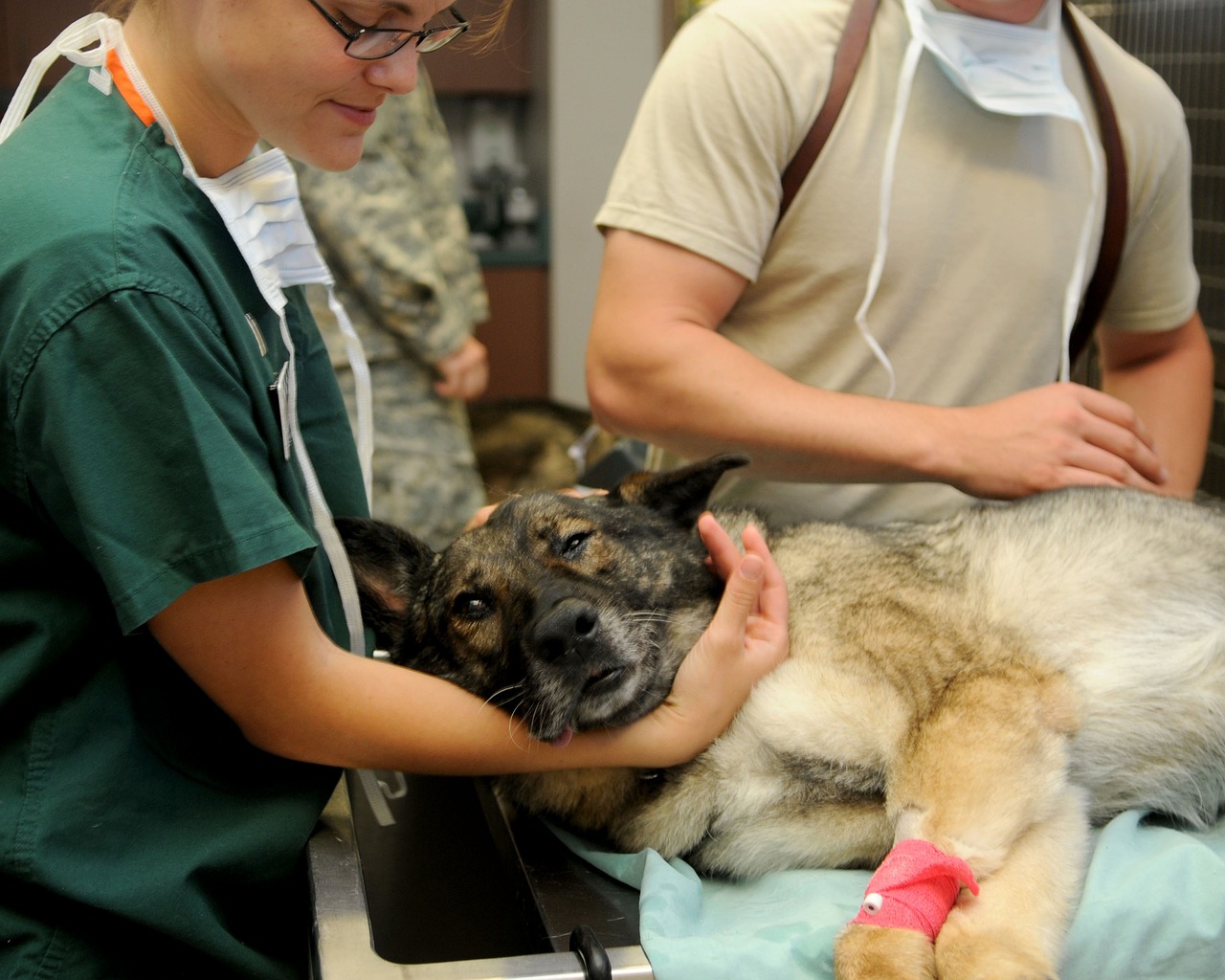
Understanding acute kidney injury (AKI) is crucial for veterinary clinics, impacting patient care and operational efficiency. This condition poses significant clinical challenges across various veterinary roles, including general practice, urgent care, and emergency veterinarians. The evolution of our understanding and management of AKI reveals a deeper knowledge of its pathophysiology and treatment modalities. In this post, we will discuss the history and modern approaches to managing AKI in veterinary medicine.
Historical Context of Acute Kidney Injury
The recognition of kidney-related issues dates back centuries. Ancient texts indicate awareness of kidney diseases, but the specific term “acute kidney injury” emerged only in the last few decades. Initially, AKI was often confused with chronic kidney disease, complicating diagnosis and treatment. However, advancements in research have clarified the distinction, enabling veterinarians to provide more effective care.
Modern Understanding of AKI
In recent years, the veterinary community has made significant strides in understanding AKI. This condition can arise due to various factors, including toxins, infections, and dehydration. Each of these triggers necessitates a tailored response. For example, an urgent care veterinarian must quickly assess hydration status and underlying causes, while a critical care veterinarian focuses on stabilization and advanced treatment.
Diagnosis: Best Practices and Techniques
Diagnosing AKI relies on a combination of clinical signs, laboratory tests, and imaging techniques. Blood work showing elevated creatinine and urea levels is typical in affected patients. Moreover, urinalysis can provide insights into the functional capacity of the kidneys. Employing point-of-care tests offers veterinarians rapid insights, which is essential for time-sensitive cases managed by emergency veterinarians.
Challenges in Managing AKI
Managing AKI poses numerous challenges. First, determining the underlying cause is vital for effective treatment. This task requires collaboration among the clinical team. Moreover, treatment protocols may vary significantly between general practice and specialty settings. General practice veterinarians often implement immediate supportive care, while board-certified veterinary internal medicine specialists may employ advanced diagnostics and tailored interventions.
Recent Advances in Treatment Approaches
Recent developments in veterinary medicine have introduced innovative treatment options for AKI. Fluid therapy remains the cornerstone of management. However, the integration of nephroprotective agents has gained traction. These treatments, alongside established protocols, facilitate better outcomes for patients. Mixed animal veterinarians and food animal veterinarians should also be mindful of environmental and management practices that may contribute to AKI in food livestock.
Looking Ahead: Future Perspectives
As our understanding of AKI in veterinary medicine evolves, so does the approach to its management. The veterinary community increasingly emphasizes preventive measures, such as client education on toxin exposure and hydration. This proactive stance not only improves individual patient outcomes but also enhances overall operational efficiency within clinics.
Conclusion
Acute kidney injury represents a complex challenge across various facets of veterinary practice. By staying abreast of historical developments and modern treatment methodologies, veterinary professionals can enhance patient care significantly. As the Pulivarthi Group seeks to connect veterinary clinics with skilled professionals, including associate and emergency veterinarians, your clinic can be better equipped to manage conditions like AKI. Together, we can improve veterinary medicine and achieve better outcomes for our patients.