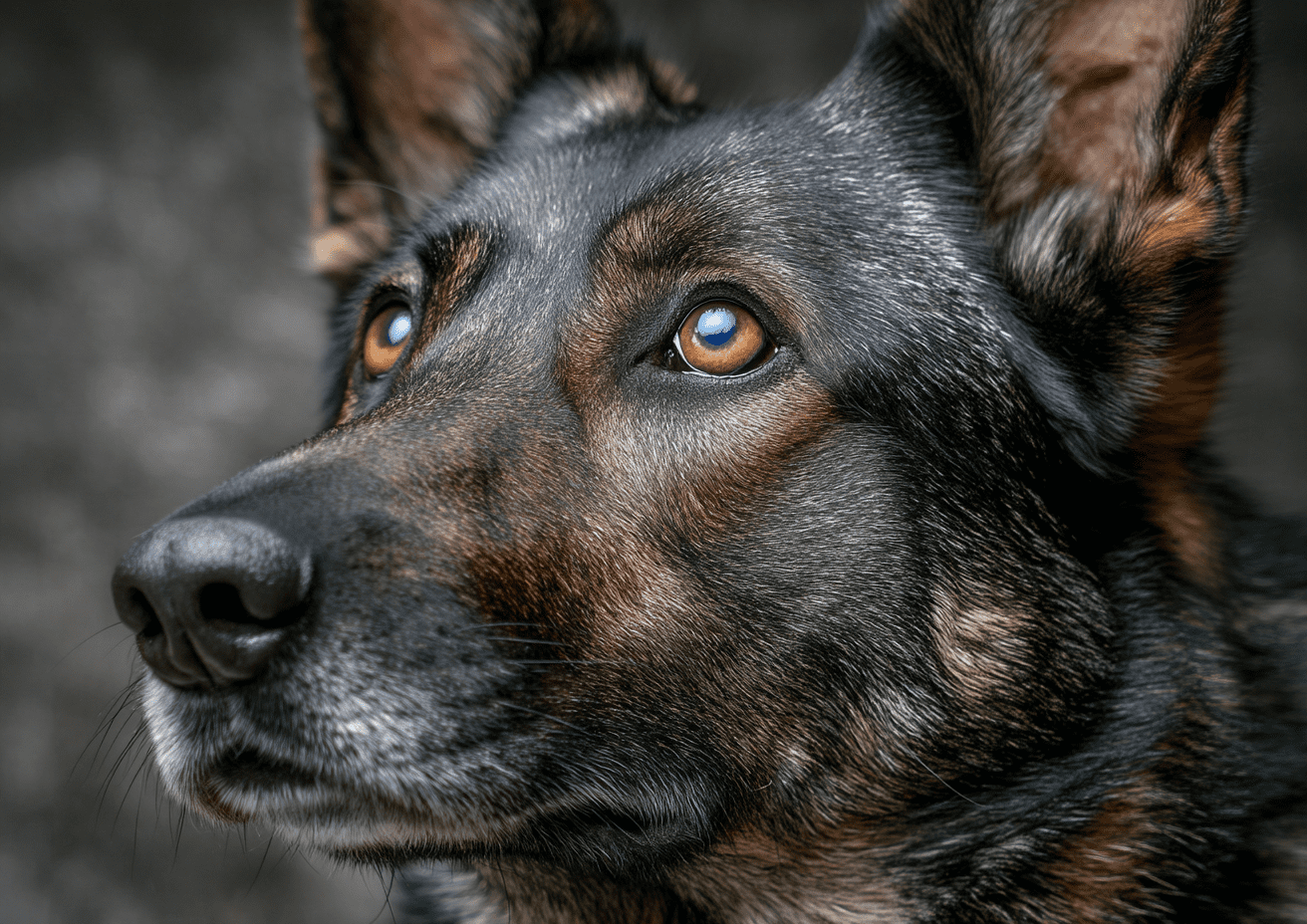
In Texas, working dogs play vital roles across various sectors, including law enforcement, search and rescue, and emergency response. Their well-being is crucial, yet the lack of proper training for first responders to care for injured working dogs represents a significant challenge. To address this gap, programs like those at Texas A&M are stepping up to equip first responders with essential skills in dog injury treatment and emergency care.
Importance of Training for First Responders
First responders face unique challenges when it comes to handling injured working dogs. Unlike human patients, these animals require specialized protocols for safe and effective treatment. Training programs focusing on emergency veterinary care for working dogs can bridge this gap. For example, workshops provide hands-on experience, ensuring that first responders can quickly assess injuries and stabilize these canines before veterinary help arrives.
Key Training Components
- Basic first aid skills specifically for canines.
- Techniques for safe transport of injured dogs.
- Recognizing signs of distress in working dogs.
- Understanding the unique anatomy and physiology of these animals.
- Effective communication with veterinary staff during emergencies.
Moreover, these programs emphasize teamwork between first responders and veterinary professionals. By fostering close cooperation, both can ensure the best outcomes for injured dogs in critical situations. This is particularly beneficial for community medicine veterinarians who may be involved in rehabilitation efforts post-injury.
Challenges in Veterinary Practice
Without proper training, first responders may struggle to provide adequate care in emergencies. This can lead to deterioration of the dog’s condition during transport, complicating the veterinarian’s efforts in the clinic. For general practice veterinarians, understanding how first responders are trained can inform their expectations and preparation when a working dog arrives in critical condition.
The Role of Veterinary Clinics
Veterinary clinics can take proactive steps by partnering with local first responders to create training sessions. This collaboration can enhance the skills of both parties, ultimately leading to improved patient outcomes. Urgent care veterinarians, too, gain significant advantages, as they are often the first line of defense when it comes to treating these injured animals.
Emphasizing Best Practices Across the Field
Regardless of specialty—whether in emergency care, critical care, or shelter practice—veterinarians can advocate for comprehensive training in handling working dogs. Adopting best practices ensures that every injured dog receives timely and appropriate care, which is vital when emergencies arise.
Conclusion
As Texas A&M University trains first responders for the complexities of treating injured working dogs, the veterinary community must recognize the importance of these initiatives. Accessible training positions first responders to handle emergencies more effectively and can greatly enhance collaboration with veterinary clinics. At Pulivarthi Group, we understand the nuances of staffing within the veterinary industry. We help clinics access hard-to-find talent, including various specialists such as Associate Veterinarians and Board-Certified Veterinary Internal Medicine Specialists (DACVIM). Together, we can ensure that your clinic is prepared to meet these pressing needs in patient care and operational efficiency.