The recent increase in patient assaults at Tewksbury Hospital, linked to a significant security policy change, raises critical questions about the safety protocols in mental health facilities. This issue is particularly urgent for mental health clinics, hospitals, and specialty care centers in Massachusetts and beyond. As we recognize the complexities of mental health care delivery, the implications of compromised security become even more alarming.
Understanding Security Policy Changes
The adjustment in Tewksbury Hospital’s security measures seems to have inadvertently contributed to a surge in violence. As mental health settings strive for better operational efficiency, changes intended to improve patient care sometimes lead to unanticipated consequences. Stakeholders, including clinical teams and administrators, must understand the importance of balancing security policies with patient-centered approaches.
For instance, before the implementation of the revised security policy, Tewksbury Hospital recorded a much lower incidence of patient assaults. This shocking turn of events highlights the need for a comprehensive analysis of how security policies directly affect patient safety. Security measures are not merely protective layers; they are essential to creating a therapeutic environment where recovery can thrive.
The Role of Mental Health Professionals in Ensuring Safety
All mental health professionals, from Clinical Psychologists to Psychiatric Mental Health Nurse Practitioners (PMHNPs), have a role to play in addressing safety and security issues. Clinical leaders can take proactive measures to assess and refine security protocols according to the specific needs of their facilities. In a rapidly evolving landscape, it is essential for licensed professionals to stay informed about best practices in crisis management to safeguard against violence.
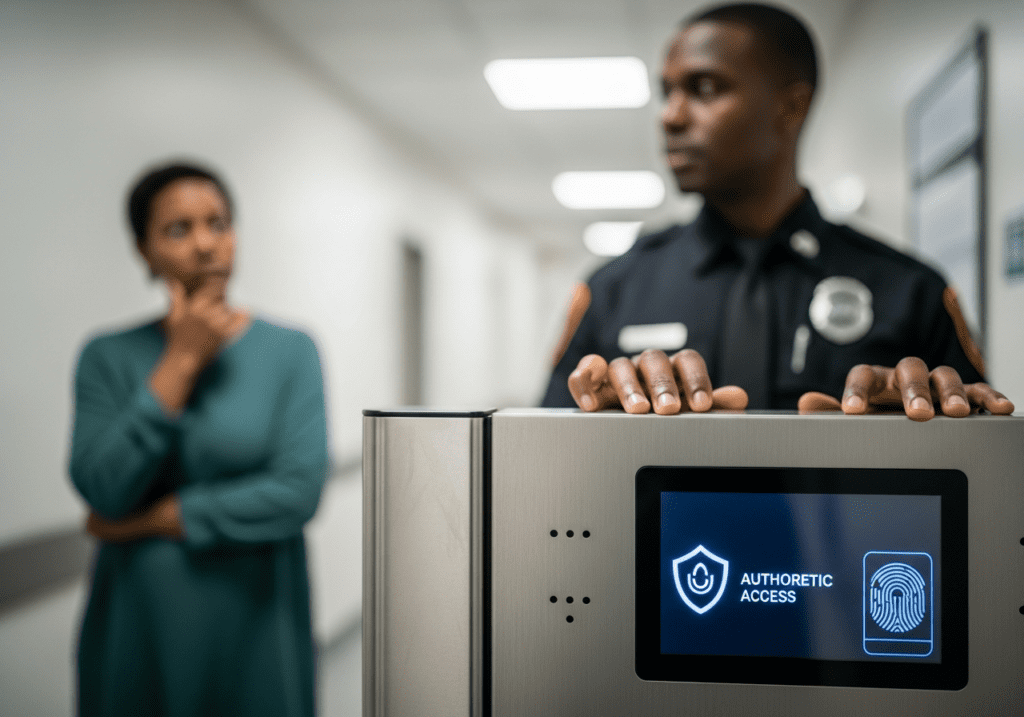
In outpatient clinics, the integration of effective access control systems can play a pivotal role in restricting unauthorized entry. For Psychiatric Physician Assistants (PA-Cs) and Licensed Clinical Social Workers (LCSWs), a collaborative approach with security teams can enhance the overall safety of the environment. Therefore, investment in training programs that educate staff on recognizing warning signs and de-escalation techniques can significantly improve the safety climate.
Operational Implications and Best Practices for Mental Health Facilities
Leaders within mental health practices must conduct thorough risk assessments and implement robust security policies to protect both patients and staff. This is particularly crucial in inpatient settings and specialized rehabilitation facilities, where the risk of violence may be heightened. Utilizing data protection and security policy examples from successful institutions can provide valuable insights.
- Implement continuous training for crisis management.
- Strengthen communication channels among all clinical staff.
- Foster partnerships with law enforcement for emergency protocol development.
The importance of patient safety cannot be overstated. For example, conducting regular safety drills and establishing a culture of transparency can equip staff with the tools they need to handle potential crises effectively. By promoting an environment where safety is prioritized, facilities can enhance patient outcomes and operational efficiency.
Staying Ahead of Industry Trends
As mental health facilities face growing pressures from industry trends and state regulations, staying informed is vital. The increase in violent incidents, particularly observed at Tewksbury Hospital, emphasizes the need for ongoing evaluation of security practices. Mental health providers should monitor not only the physical safety of environments but also the emotional safety of patients and clinical staff.
Regulatory considerations are also paramount. As legislation evolves, mental health facilities must adapt to new requirements aiming to enhance patient safety. Understanding the broader implications of security policy changes will help organizations remain compliant while also enhancing care delivery.
Conclusion
The alarming rise in violence at Tewksbury Hospital following a security policy change is a clarion call for mental health providers to reassess their security protocols and crisis management strategies. Pulivarthi Group stands ready to support organizations in navigating these challenges. By connecting practices with qualified professionals—including Clinical Psychologists, PMHNPs, BCBAs, Psychiatric PA-Cs, LCSWs, and Psychiatrists—we can help enhance the safety and effectiveness of mental health care across various settings. Through collaborative efforts and a commitment to patient safety, we can foster environments conducive to healing and recovery.