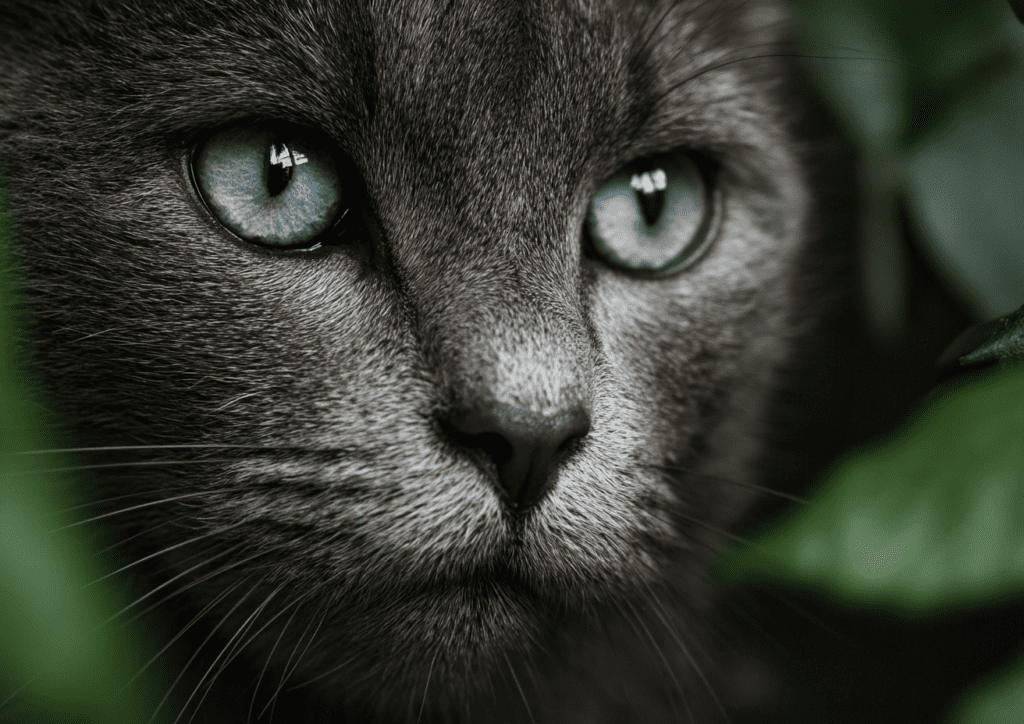
Cognitive dysfunction in aging cats, or feline cognitive dysfunction (FCD), is often overlooked in veterinary practices. As our feline companions age, their mental health is just as vital as their physical health. Many veterinarians, particularly in general practice and emergency settings, encounter clients who are unaware of how nutrition impacts their cats’ cognitive well-being. Understanding the link between feline cognitive dysfunction and nutrition is increasingly essential in enhancing patient care, particularly for senior pets.
Understanding Feline Cognitive Dysfunction
Feline cognitive dysfunction syndrome can manifest in various ways, including disorientation, disrupted sleep patterns, and altered social interactions. For associate and general practice veterinarians, recognizing these signs is crucial for improving the quality of life for aging cats. However, many pet owners are uninformed about the condition, which can lead to delays in seeking veterinary help. Therefore, facilitating discussions around FCD can significantly enhance awareness and intervention strategies.
This condition reflects a cognitive decline analogous to Alzheimer’s in humans and requires a nuanced understanding of geriatric feline health. As a result, veterinarians must take proactive steps toward discussing cognitive health with pet owners, emphasizing early detection and nutritional intervention.
The Role of Nutrition in Feline Cognitive Health
Diet directly influences cognitive function and overall health. Specific nutrients, such as antioxidants, omega-3 fatty acids, and certain vitamins, play pivotal roles in brain health. Foods supplemented with these nutrients can help slow cognitive decline and improve mental agility in aging cats. Veterinarians need to assess the dietary practices of their patients regularly. This involves discussing appropriate nutrition tailored to the needs of senior cats.
- Antioxidants: Ingredients like vitamins E and C can help combat oxidative stress in brain cells.
- Omega-3 Fatty Acids: These are essential for cellular function and may improve cognitive function.
- Specific Amino Acids: L-carnitine and taurine may also support brain health, enhancing cognitive performance.
Thus, educating pet owners on these aspects can facilitate better nutritional choices, promoting cognitive health and enhancing the quality of life for aging felines.
Clinical Approaches in Veterinary Practice
For emergency veterinarians or those in urgent care settings, ensuring a seamless transition of care from initial treatment to long-term management is essential. This may involve not only treating acute issues but also educating pet owners on ongoing cognitive care and nutrition. Having reliable information on hand lets veterinarians recommend specific dietary products designed for cognitive health, thus empowering pet owners to make informed decisions.
Moreover, implementing regular cognitive assessments as part of the routine veterinary visit can proactively address the impacts of age-related cognitive decline. This practice can encompass simple tests to measure a cat’s response to various stimuli. Such assessments can guide veterinarians in discussing the best nutritional recommendations with pet owners.
Veterinary Staff Training and Development
Equip veterinary clinical staff with knowledge about feline cognitive dysfunction and its nutritional aspects is vital. Training should involve understanding the symptoms, administering cognitive assessments, and comprehending how nutritional changes can make a difference. In addition, create opportunities for ongoing education, allowing team members to stay updated on industry trends surrounding aging feline health.
Veterinary managers and practice owners can implement continuing education programs to ensure their clinical staff is competent in discussing cognitive health. This proactive approach facilitates a culture of care that prioritizes comprehensive feline health, ultimately enhancing patient outcomes.
Conclusion
As the veterinary industry evolves, focusing on the cognitive health of aging felines becomes increasingly essential. Education for veterinary clinicians and pet owners must emphasize the critical role of nutrition in managing feline cognitive dysfunction. By integrating dietary discussions into routine care and empowering staff with the knowledge to address cognitive issues, veterinary practices can enhance overall pet care.
In this transitional landscape, Pulivarthi Group stands ready to support veterinary clinics in accessing the hard-to-find talent necessary for specialized animal health care. By connecting practices with qualified professionals, such as associate veterinarians, emergency veterinarians, and veterinary internal medicine specialists, we enhance the capabilities of clinics dedicated to optimizing care for aging pets.