A recent study published in The American Journal of Psychiatry shows that about 8 million Americans reported psilocybin use within the past year. This finding highlights a significant shift in public sentiment regarding magic mushrooms and their potential therapeutic uses. Understanding the demographics and associations of this trend is crucial for mental health providers aiming to improve clinical care delivery and patient outcomes.
Demographics and Associations of Psilocybin Use
Among the individuals who reported using psilocybin, a range of demographic factors emerged. These factors included age, racial and ethnic backgrounds, and differing levels of education. For instance, younger adults, particularly those in the 18-29 age bracket, represented a large portion of reported usage. Furthermore, previous research indicates that people from racially diverse backgrounds are increasingly open to exploring psilocybin mushrooms as a form of self-care or wellness.
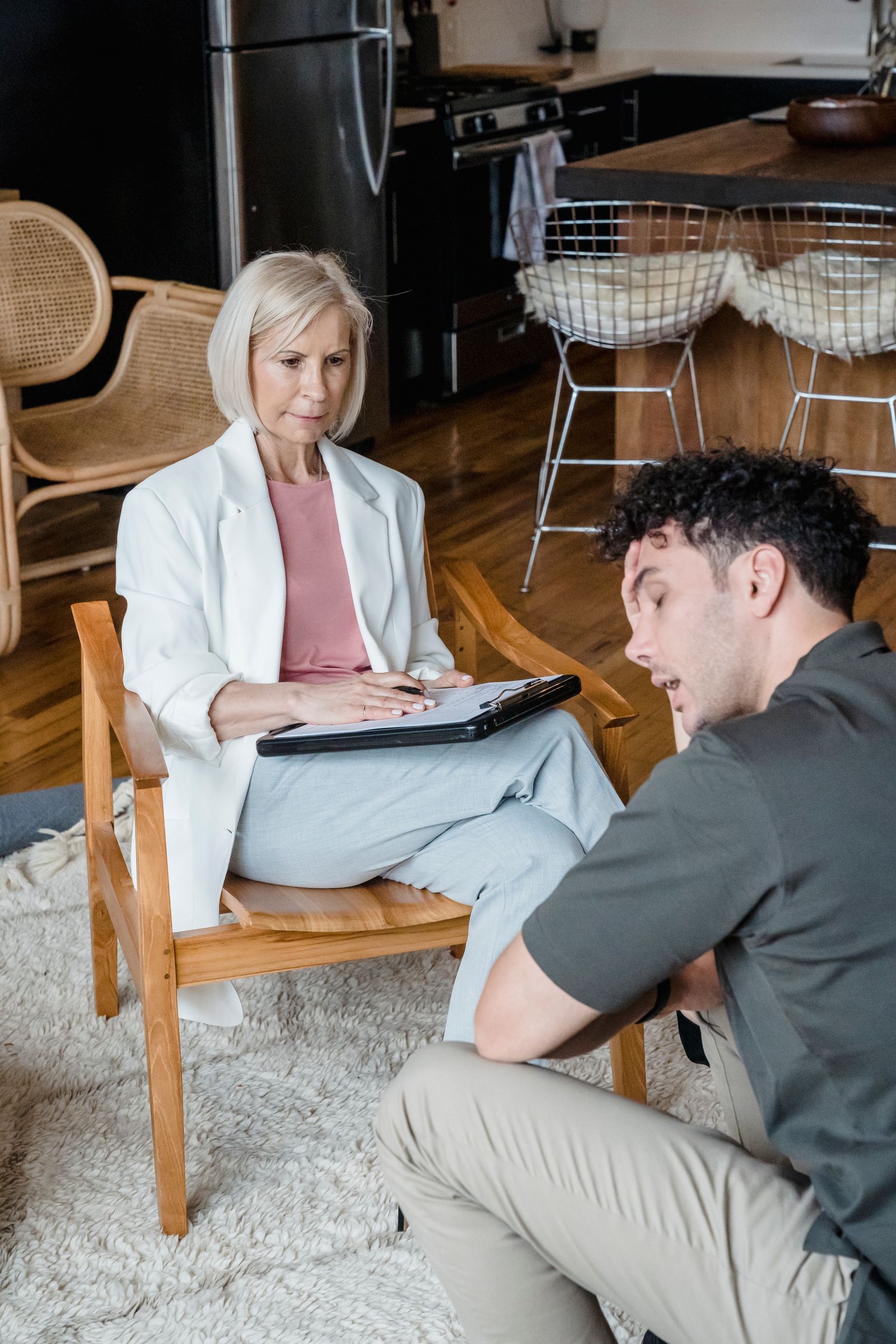
As mental health professionals, being aware of these trends can empower clinicians. It is essential for practices to assess the implications of these demographics in treatment plans. For example, Clinical Psychologists and Licensed Clinical Social Workers (LCSWs) can incorporate discussions about psilocybin use into their patient evaluations, considering how such usage aligns with the patient’s overall mental health history.
Clinical Implications of Psilocybin for Mental Health Treatment
The findings regarding psilocybin use bring critical insights into its implications for mental health treatment. Studies indicate that psilocybin may contribute positively to mental health, particularly in reducing symptoms of depression and anxiety. Clinicians should remain informed about these emerging therapies. This will allow them to guide conversations with patients regarding potential alternatives, integrating practices such as psilocybin microdosing or clinical studies assessing its efficacy.
Moreover, professionals in various settings, including outpatient clinics and specialty care centers, need to evaluate the preparedness of their clinical teams for discussing magic mushrooms. For instance, Psychiatric Mental Health Nurse Practitioners (PMHNPs) can play a pivotal role in managing patient expectations while emphasizing evidence-based treatments. They can help determine which patients might benefit from considering psilocybin as part of their therapeutic journey.
Operational Efficiency and Workforce Considerations
As the mental health landscape evolves with new treatments like psilocybin, healthcare facilities must consider operational efficiency. Are care teams prepared to address patients’ inquiries about magic mushrooms? Training programs could foster staff competency in discussing contemporary substances and their implications on mental health.
Additionally, Board Certified Behavior Analysts (BCBAs) operating in autism centers or intellectual/developmental disability (IDD) settings should take note of these trends. If clients express interest in psilocybin for symptom management, behavioral specialists might need to collaborate with mental health professionals to ensure a holistic approach to care.
Regulatory Landscape and Ethical Considerations
The legal status of psilocybin varies significantly across the United States. As a mental health provider, understanding these regulations is vital for compliance and protecting patient welfare. Central to this understanding is the necessity to stay current with state and federal guidelines regarding treatment options and clinical trials involving magic mushrooms.
Moreover, ethical considerations will arise as more patients inquire about psilocybin and its potential benefits. Mental health professionals, including Psychiatrists and Psychiatric PA-Cs, must navigate these discussions carefully, ensuring informed consent and patient safety while exploring this evolving treatment landscape.
Conclusion
The recent study revealing that 8 million Americans used psilocybin underscores a profound shift in the mental health landscape and calls for a proactive approach among clinicians. As mental health stakeholders, we need to be well-informed and prepared to engage patients about such trends. Whether in outpatient clinics, rehabilitation facilities, or therapy centers, understanding psilocybin’s implications for treatment is crucial.
At Pulivarthi Group, we recognize the importance of accessing specialized mental health professionals across various care settings. Our commitment supports organizations in finding clinicians trained to address contemporary challenges, including those related to emerging treatment modalities like psilocybin. Together, we can ensure that mental health providers are equipped to deliver effective, ethical care in today’s dynamic environment.