In the ever-evolving landscape of veterinary medicine, AI tools for heart murmur detection are changing how veterinary clinics diagnose and treat cardiac issues in dogs. These advanced applications leverage machine learning to detect heart murmurs earlier, ultimately enhancing patient care and operational efficiency.
Why Heart Murmur Detection Matters
Heart murmurs can often signal serious underlying cardiovascular issues. Early detection allows for timely intervention, which is critical for improving patient outcomes. With AI in veterinary technology, veterinarians can achieve a more accurate diagnosis and streamline their workflow. This not only supports clinical staff but also fosters trust among pet owners.
Challenges in Clinical Practice
Veterinary clinics face a variety of challenges when it comes to diagnosing heart murmurs in dogs. General Practice Veterinarians often rely on stethoscopes, which, while valuable, may not always provide the most precise assessments. Urgent Care and Emergency Veterinarians may have limited time to make assessments under pressure, while Critical Care Veterinarians can be overwhelmed by caseload demands. AI heart murmur detection tools can enhance accuracy and reduce the chances of misdiagnosis in any of these scenarios.
AI in Action: How It Works
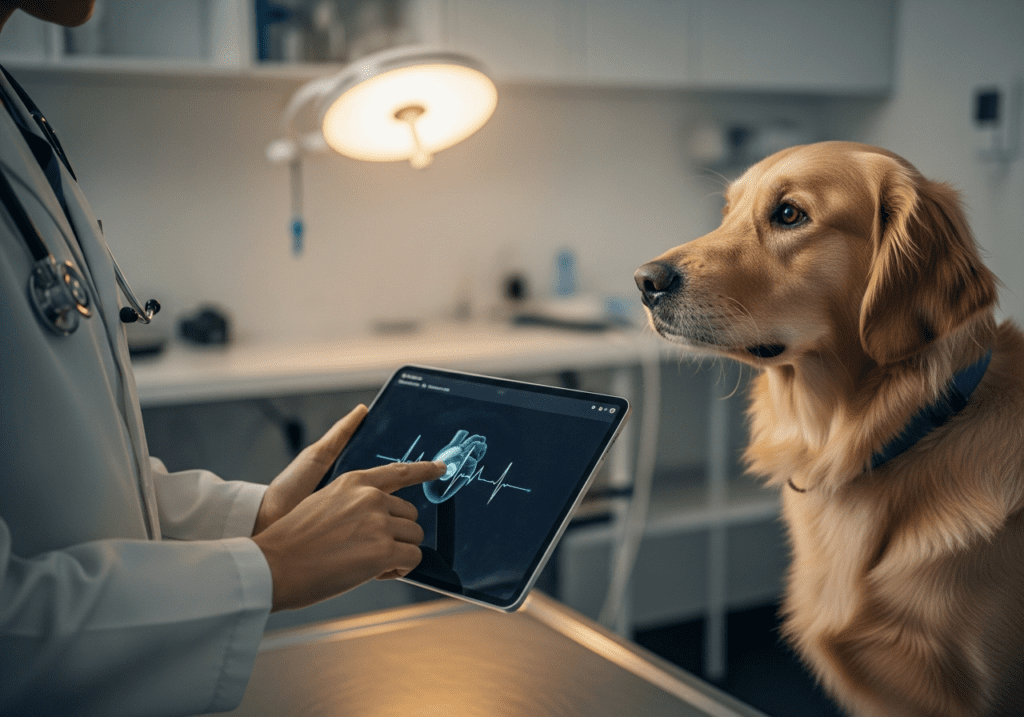
AI systems analyze audio data from stethoscope recordings. These systems are designed to recognize patterns indicative of heart murmurs. For instance, a Board-Certified Veterinary Internal Medicine Specialist (DACVIM) could leverage such technology for comprehensive assessments, leading to well-informed treatment plans. The AI’s enhanced sensitivity helps distinguish between normal and abnormal heart sounds, making it a valuable asset in both outpatient and critical care settings.
Benefits for Veterinary Practices
- Increased diagnostic accuracy, leading to better patient outcomes.
- Time savings for clinical staff, allowing them to focus on other critical care tasks.
- Enhanced communication with pet owners, fostering eligibility for early intervention.
- Support in managing complex cases, particularly for Mixed Animal and Food Animal Veterinarians.
Staying Ahead of Industry Trends
The adoption of AI tools in veterinary medicine is not just a trend; it is becoming a best practice. Clinics that implement these technologies will likely have a competitive edge in the market. As clients increasingly seek out veterinary practices that utilize cutting-edge technology, staying current with these innovations is vital for practice owners and managers alike.
Future Implications
As AI continues to evolve, its role in heart murmur detection will likely expand. The integration of telemedicine, for instance, may enable remote monitoring of heart conditions, facilitating real-time data analysis. This capability could be particularly beneficial for Community Medicine Veterinarians and Shelter Veterinarians who often handle high volumes of cases with varying urgency.
The growing reliance on AI processes in diagnosing conditions like heart murmurs underlines the importance of keeping your clinical staff informed and trained in these new tools. Therefore, investing in staff development in this area will not only improve care quality but also enhance job satisfaction.
Conclusion
In conclusion, the emergence of AI tools for heart murmur detection is revolutionizing veterinary diagnostics. By embracing these technologies, veterinary clinics can significantly improve patient care while optimizing their operational workflows. As the industry progresses, Pulivarthi Group remains a committed partner in connecting veterinary practices with essential talent, including Associate and General Practice Veterinarians, as well as specialized roles such as Emergency and Critical Care Veterinarians. Together, we can foster a more innovative and effective veterinary care landscape.