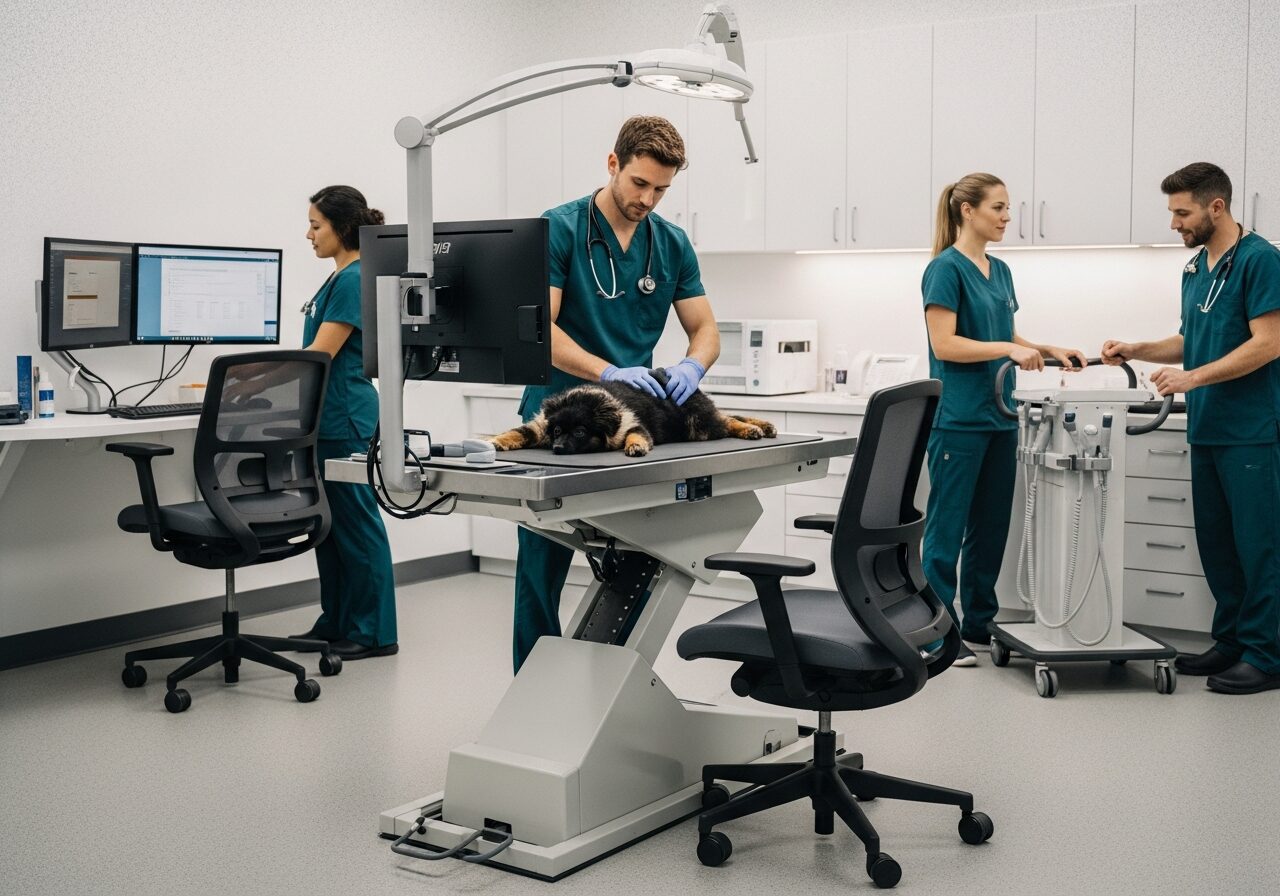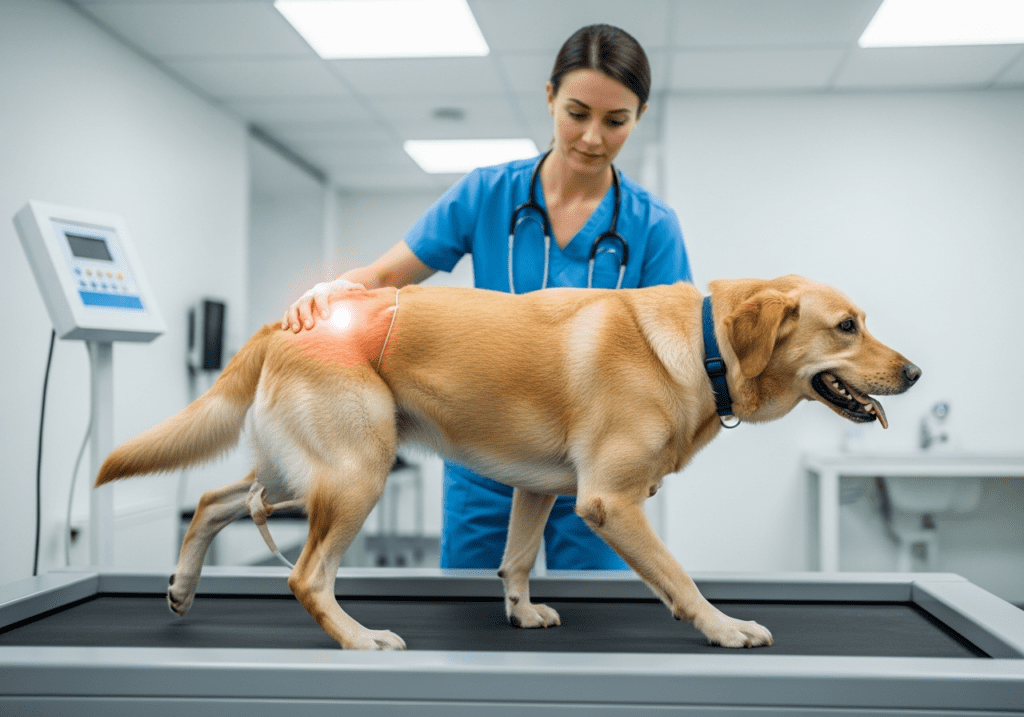
Hip dysplasia is a common condition affecting many dogs, especially larger breeds. It occurs when the hip joint does not fit into the hip socket properly. This misalignment often leads to painful arthritis and mobility issues, significantly impacting the dog’s quality of life. For veterinary clinics, recognizing the signs of hip dysplasia and knowing the treatment options available, such as total hip replacement, is crucial for enhancing patient care.
What Is Total Hip Replacement?
Total hip replacement (THR) is a surgical procedure that involves removing the damaged hip joint and replacing it with a prosthetic joint. This procedure is especially beneficial for dogs with severe hip dysplasia. The surgery can restore mobility and reduce pain, allowing pets to return to an active lifestyle.
The Importance of Timely Intervention
Veterinarians must act quickly when faced with a diagnosis of hip dysplasia. Early intervention leads to better surgical outcomes. Affected dogs often show signs of reluctance to walk, run, or jump. For many, these behaviors diminish their quality of life. As veterinarians, recognizing these signs early can influence treatment decisions. In particular, associate veterinarians and general practice veterinarians play a vital role in assessing the need for referrals to specialists for surgical options like THR.
Benefits of Total Hip Replacement
- Improved Quality of Life: Studies demonstrate that dogs undergoing THR often regain full mobility and enjoy a pain-free existence.
- Enhanced Functionality: Many dogs return to their normal activities post-surgery, which is critical for breeds prone to obesity.
- Long-Term Solution: Unlike conservative treatments, THR often provides a permanent fix for hip dysplasia.
- Lower Risk of Secondary Conditions: By alleviating pain, THR reduces the likelihood of joint degeneration and related conditions.
Considerations for Veterinary Practices
For veterinary clinics, understanding the implications of hip dysplasia treatments, including THR, is essential. Practice owners and managers should ensure their teams are well-versed in surgical options and can effectively communicate these to pet owners. Additionally, investing in surgical training for interested staff members can enhance a clinic’s service offerings, thus enriching patient care.
Current Trends in Veterinary Orthopedic Surgery
The veterinary field is experiencing significant advancements in orthopedic surgery. Minimally invasive techniques, such as arthroscopy, are becoming more common. Integrating these innovations can require additional training for veterinarians and support staff. Workshops and continuing education programs are vital to keep the clinical team informed about new techniques and technologies.
Emergency veterinarians and urgent care veterinarians often encounter cases where timely interventions are critical. Understanding the nuances of THR allows these professionals to stabilize patients and prepare them for specialized care efficiently.
Post-Surgical Rehabilitation
Post-operative rehabilitation is crucial for the success of total hip replacement. Canine rehabilitation specialists can provide tailored exercise regimens to help dogs regain strength and mobility. This might include physical therapy sessions post-surgery, as well as home exercises prescribed by veterinarians. Ensuring that the clinical staff understands the importance of rehabilitation can lead to better patient outcomes and client satisfaction.
Conclusion
Total hip replacement represents a pivotal surgical option for dogs suffering from hip dysplasia. With the potential to significantly improve mobility and quality of life, understanding this procedure is essential for veterinary clinics. As the veterinary field continues to evolve, it’s vital to have skilled professionals in place to meet the demands of pet health. Pulivarthi Group stands ready to assist veterinary clinics in accessing talented professionals across various roles, from Associate Veterinarians to Board-Certified Veterinary Internal Medicine Specialists (DACVIM). Together, we can ensure high-quality care for all pets.