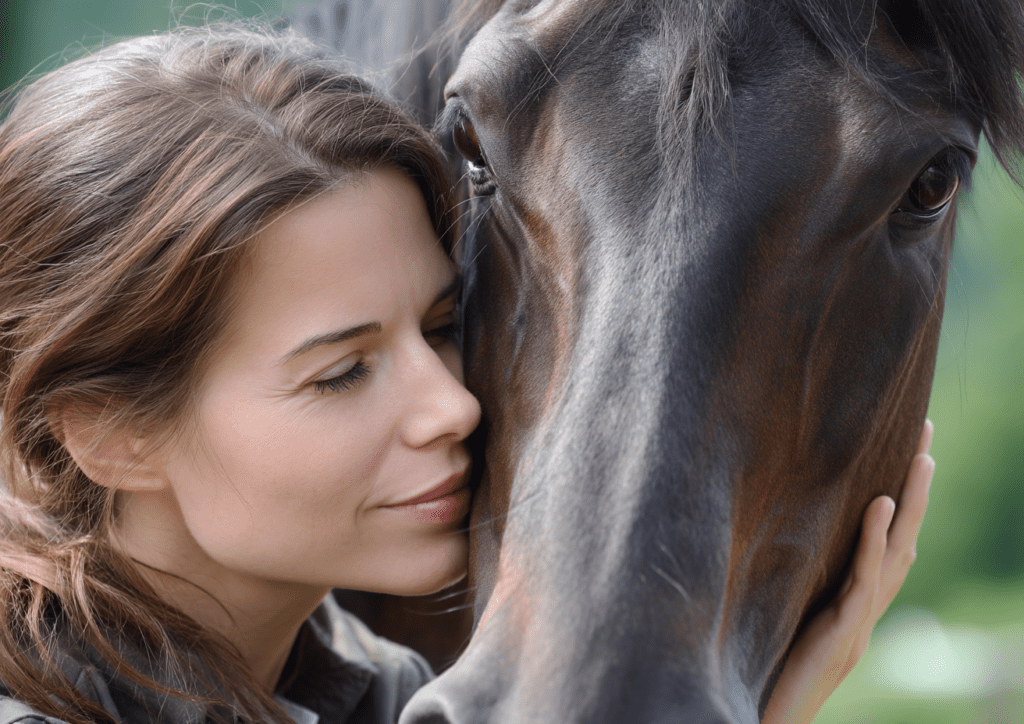
Recurrent laryngeal neuropathy (RLN) presents a significant challenge in equine health, particularly affecting performance horses. The potential for effective laryngeal reinnervation to address RLN may yield promising outcomes for these animals. This innovation in veterinary medicine offers a necessary solution to improve the quality of life and performance for equines affected by this debilitating condition.
Understanding Recurrent Laryngeal Neuropathy
RLN primarily results from a defect in the recurrent laryngeal nerve, which can lead to impaired airflow during exercise. This condition not only affects a horse’s performance but can also complicate respiration and overall health. For veterinary clinics, identifying RLN is crucial as immediate intervention can significantly alter an affected horse’s prognosis.
- Correct diagnosis is vital to determining effective treatment options.
- Understanding the implications of laryngeal function can shape surgical decisions.
- Ongoing assessment of affected horses guides recovery and client education.
Veterinarians, particularly those in equine specialties, need to develop proficiency in diagnosing and treating RLN. This necessity stretches across various roles—from General Practice Veterinarians to Emergency and Critical Care Veterinarians who may encounter acute cases.
Innovations in Treatment: Standing Selective Laryngeal Reinnervation
Recent advancements showcase the efficacy of standing selective laryngeal reinnervation. This technique aims to restore nerve functionality and alleviate symptoms of RLN. By utilizing a specific approach, veterinarians can enhance airflow and improve the horse’s athletic performance.
This method allows for minimal anesthesia, reducing recovery time and risk. For equine specialists, this translates into better outcomes for their patients, leading to improved client satisfaction and trust in veterinary services.
Clinical Implications and Considerations
Implementing laryngeal reinnervation techniques requires detailed planning and consultation among veterinary teams. For example, during the procedure, both the Associate Veterinarian and Surgical Teams must collaborate effectively to ensure a successful outcome. Post-operative care is equally critical, often involving mixed care from General Practice Veterinarians and Shelter Veterinarians who may encounter equines with RLN following surgical intervention.
- Clinical staff should be trained in post-op assessment techniques.
- Emergency Veterinarians can provide immediate care to horses showcasing complications.
- All veterinarians must communicate clearly with clients regarding follow-up care and expectations.
Veterinary teams also need to stay abreast of emerging research on laryngeal reinnervation. Understanding the latest findings ensures that all clinical staff can discuss treatment options confidently and authoritatively with horse owners.
Future Directions and Resources
As the veterinary field continues to evolve, the integration of laryngeal reinnervation techniques will likely expand. Research will provide ongoing insights into long-term outcomes and the physiological impacts of this procedure on equines. Moreover, staying updated will allow veterinary clinics to remain competitive and offer the best possible care for their patients.
Veterinary internal medicine specialists and board-certified internal medicine specialists (DACVIM) play a pivotal role in assessing the efficacy of laryngeal surgeries, contributing valuable data to ongoing discussions in the field. Distributing this knowledge among veterinary professionals fosters a collaborative approach to equine health issues.
Conclusion
Recurrent laryngeal neuropathy poses unique challenges in equine veterinary care. However, the advent of standing selective laryngeal reinnervation presents a promising solution. For veterinary clinics to navigate these complexities, they must ensure their teams are well-trained and informed about the latest advancements. Pulivarthi Group stands ready to support veterinary clinics in accessing specialized talent across diverse roles, including General Practice Veterinarians, Emergency Veterinarians, and Veterinary Internal Medicine Specialists. By partnering with Pulivarthi Group, clinics can build capable teams that effectively tackle RLN and improve the quality of care provided to their equine patients.