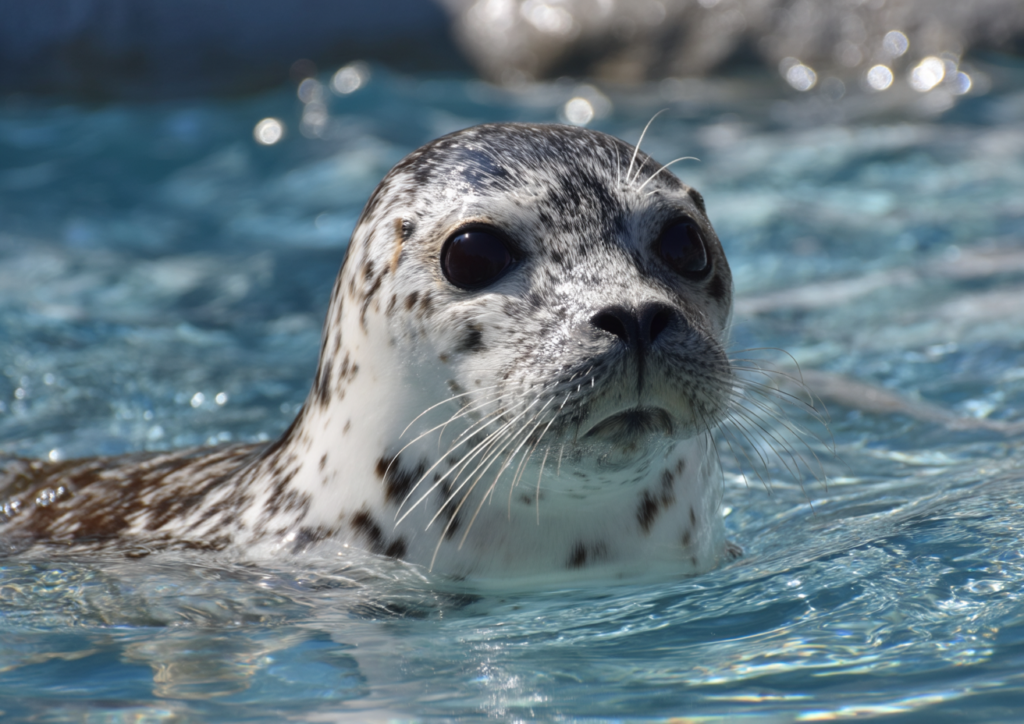
Wildlife rehabilitation plays a critical role in animal welfare, particularly for marine species like harbor seals. These fascinating mammals often face serious injuries from human activities, environmental hazards, and natural predators. As veterinary professionals, understanding the rehabilitation of injured harbor seals is paramount. Offering appropriate medical care and rehabilitation techniques can greatly enhance their chances of survival and recovery.
Understanding the Challenges of Seal Rehabilitation
Veterinary clinics that engage in wildlife rehabilitation encounter unique challenges. For instance, harbor seals often suffer from injuries due to gunshots, entanglement, or malnutrition. Specifically, seals require prompt medical attention to heal effectively. This reality is especially pressing as time-sensitive care is vital for injured wildlife.
Veterinary teams must be equipped to handle diverse cases. In urgent care settings, rapid response protocols become essential when responding to an injured harbor seal. Moreover, emergency veterinarians must be trained to deliver specialized care that aligns with rehabilitative practices. This includes advanced diagnostics and immediate treatment plans.
Effective Treatment Approaches for Harbor Seals
The rehabilitation of harbor seals involves a variety of medical procedures focused on injury and trauma treatment. Critical care veterinarians play a significant role in addressing severe injuries. They utilize techniques such as wound management, fluid therapy, and nutritional support. Additionally, the use of a specialized diet tailored for seals is crucial in promoting recovery.
- Diagnostic imaging for internal injuries
- Antibiotic therapy for infection prevention
- Behavioral training for gradual reintroduction to the wild
Working alongside wildlife veterinarians, clinics can create a comprehensive care plan. Collaboration among team members ensures each injured harbor seal receives individual attention and the best possible outcomes.
Integrating Technology in Wildlife Rehabilitation
Technology plays an essential role in enhancing wildlife rehabilitation efforts. For example, telemedicine can connect veterinary professionals with specialists who can offer remote consultations. This service is beneficial, particularly when resources or expertise are limited on-site. Furthermore, advancements in medical technology enable precision treatment, which can significantly improve recovery rates for harbor seals.
Building Community Engagement for Wildlife Rescue
Engaging the community in wildlife rescue efforts can also yield positive outcomes. Local organizations and veterinary clinics can collaborate to raise awareness. This partnership might include educational workshops or fundraising activities to support rehabilitation centers. Additionally, community involvement fosters a sense of responsibility towards marine wildlife conservation and protection.
Are your clinic staff knowledgeable about marine wildlife rescue and rehabilitation techniques? Training sessions can enhance your team’s skill sets, allowing them to contribute meaningfully to these efforts. Keeping the lines of communication open among your staff will help develop specialists within your clinic.
Final Thoughts on Supporting Wildlife Rehabilitation
Rehabilitation of injured harbor seals necessitates teamwork, swift action, and ongoing education within veterinary practices. The challenges involved may be daunting, but they highlight the importance of skilled professionals capable of delivering compassionate care. As veterinary clinics enhance their capabilities, partnerships like those offered by Pulivarthi Group can support staffing needs across various roles. Our network can help clinics access qualified veterinarians, including specialty roles such as Board-Certified Veterinary Internal Medicine Specialists (DACVIM), who are pivotal in managing complex rehabilitation cases. Together, we can ensure that marine wildlife receives the care it desperately needs, improving not just individual outcomes but contributing to the broader efforts of marine conservation.