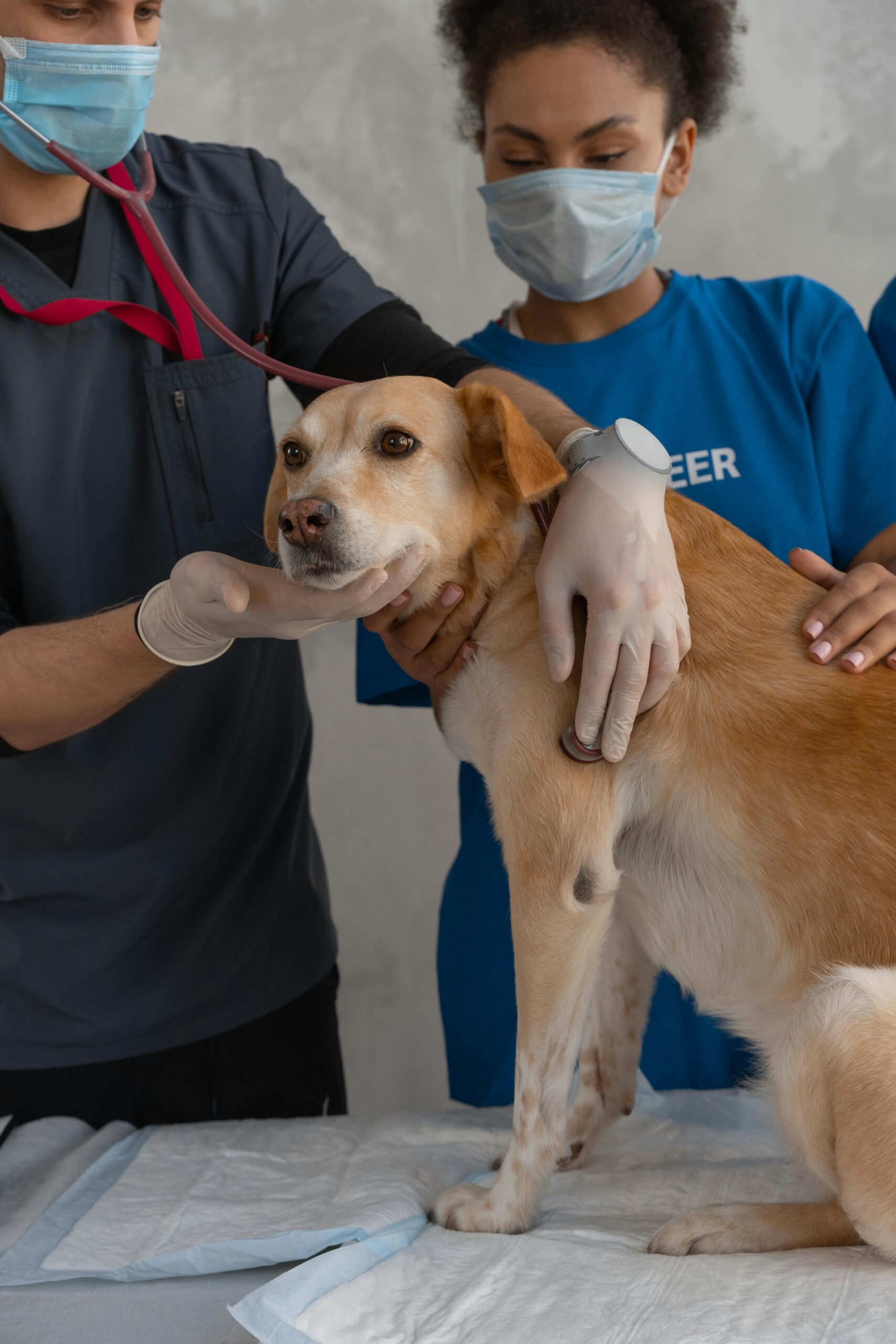
Recognizing subtle signs of pain in dogs is a critical aspect of veterinary care. Many dog owners may overlook these indicators, which can result in delays in essential treatment. Understanding how to identify these signs is not only vital for pet health but also for ensuring effective clinical practice within veterinary clinics. This post will delve into how veterinarians can facilitate better recognition of pain in dogs, benefiting both pets and their owners.
Understanding Pain Perception in Dogs
Dogs experience pain differently from humans. Their inability to express discomfort verbally can lead to confusion for owners. For instance, subtle changes in behavior, appetite, and mobility could indicate underlying pain. It is crucial for veterinarians, especially those in general practice or urgent care, to educate clients about these signs. Identifying them early ensures prompt treatment, thereby improving patient outcomes.
- Changes in eating habits
- Reluctance to engage in normal activities
- Changes in vocalization, such as whimpering
- Excessive grooming or licking a particular area
- Uncharacteristic aggression or withdrawal
Role of Veterinary Staff in Pain Recognition
Veterinarians and clinical staff play a pivotal role in recognizing subtle signs of dog pain. Training staff to observe and document behavioral changes is essential. For instance, an associate veterinarian may notice a dog being less playful during a routine visit. Documenting these observations can prompt further investigation into potential pain issues. This teamwork enhances care coordination across all levels, from general practice to specialty services.
Industry Trends in Pain Management Awareness
Current industry trends indicate a shift toward a more holistic approach to veterinary medicine. This includes greater emphasis on pain management as a fundamental component of patient care. Veterinary internal medicine specialists and critical care veterinarians often lead the charge in implementing advanced pain management strategies. These specialists advocate for integrative care plans that incorporate pain assessment as a routine part of examinations.
Practical Solutions for Veterinary Clinics
To better equip veterinary clinics in recognizing dog pain, clinics should consider implementing training programs focused on pain assessment. Regular workshops for veterinarians and staff can underscore the importance of identifying and addressing pain indicators. Furthermore, developing a pain scoring system can provide a structured approach to assess levels of discomfort and adjust treatment plans accordingly.
- Regularly update pain management protocols
- Create educational materials for pet owners
- Engage in community outreach about dog pain signs
The Importance of Communication with Pet Owners
Engaging pet owners in discussions about pain recognition is vital. Educating dog owners on signs of pain ensures they become active participants in their pet’s healthcare. For example, inviting them to observe their dog’s behavior in different scenarios can foster awareness. This proactive approach not only increases owner satisfaction but also improves overall health outcomes for pets.
Conclusion
Recognizing subtle signs of pain in dogs represents a paramount concern within veterinary clinics. By fostering better communication with pet owners and implementing structured training around pain assessment, veterinary teams can significantly enhance patient care. As your trusted partner in veterinary staffing, the Pulivarthi Group can help clinics access crucial talent—from associate veterinarians to specialized roles like board-certified veterinary internal medicine specialists. Together, we can ensure dogs receive the quality care they deserve.