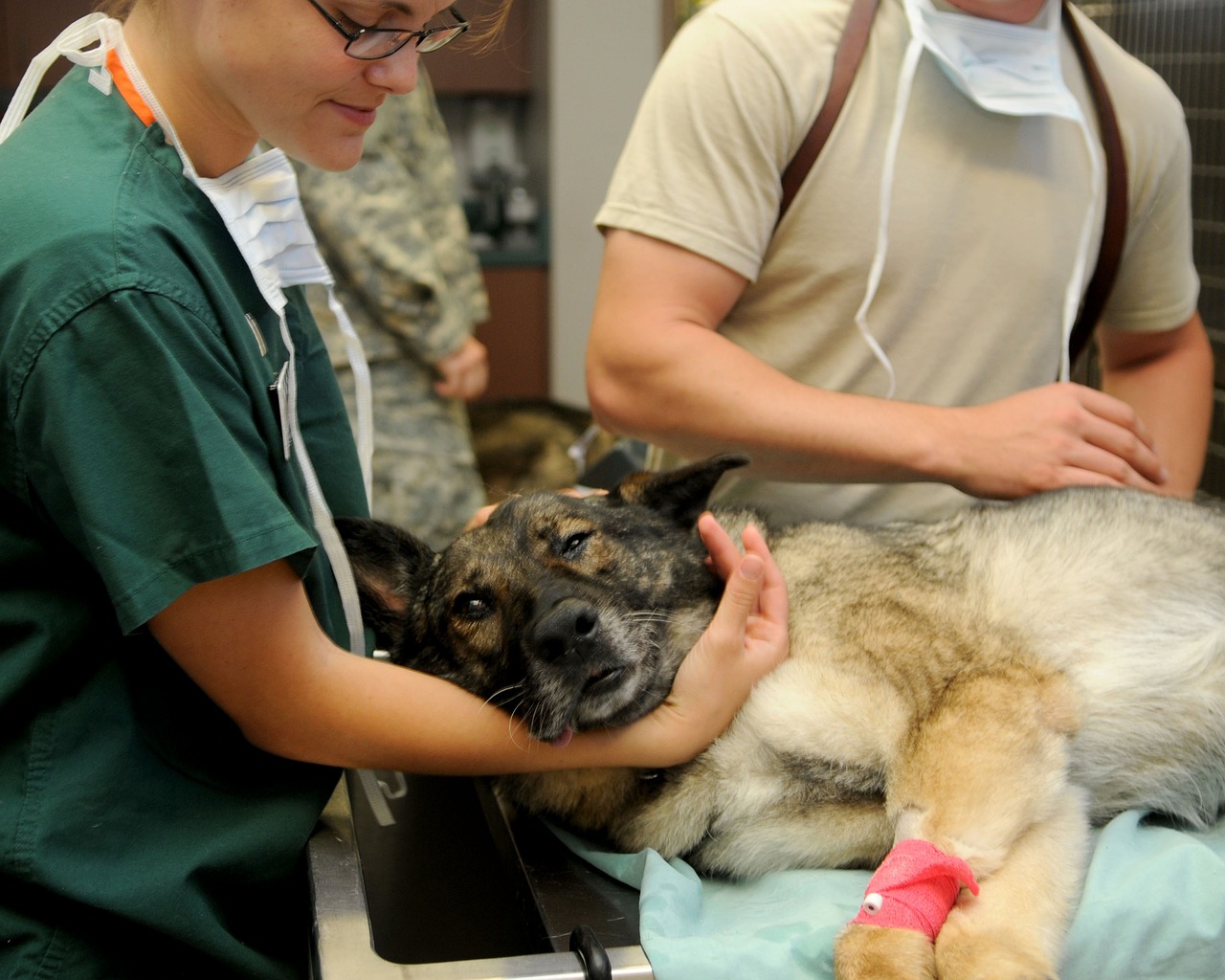
Obesity in dogs and cats represents a significant health concern for veterinary clinics across North America. As pet owners increasingly seek to ensure their pets lead healthy, active lives, veterinarians play a crucial role in managing obesity in pets. This ongoing issue not only impacts the quality of life for pets but also poses substantial challenges for veterinary practices striving to provide optimal patient care.
Understanding Pet Obesity
Obesity in pets is generally defined as an excess body fat that adversely affects health. Many pets, particularly those in urban areas, suffer from sedentary lifestyles, leading to weight gain. For veterinarians, this means recognizing the clinical signs of obesity and discussing the underlying factors with pet owners. From diet to exercise, multiple variables contribute to this condition.
Challenges in Managing Obesity
For associate and general practice veterinarians, the most significant challenge is addressing owner misconceptions about pet nutrition. Many pet owners believe that higher food quality guarantees a healthier pet. However, the quantity and caloric intake remain critical factors. Veterinary teams can facilitate discussions about appropriate feeding practices and encourage regular check-ups to monitor weight progress.
Urgent and Emergency Care Considerations
In urgent care and emergency situations, veterinarians may encounter complications related to obesity, such as diabetes or respiratory distress. For instance, an emergency veterinarian may need to address acute cases where an obese pet struggles with anesthesia during a surgical procedure. Awareness of these scenarios helps prepare the clinic for safe and effective interventions.
Practical Tips for Managing Obesity
Managing obesity in pets involves a multifaceted approach:
- **Regular Weight Assessments:** Schedule intervals for weight checks to track progress.
- **Controlled Diet Plans:** Work with pet owners to create balanced meal plans tailored to their pet’s needs.
- **Encouraging Exercise:** Suggest interactive playtime and structured walks to promote physical activity.
- **Owner Education:** Provide resources and workshops on pet nutrition and health management.
- **Behavioral Insights:** Discuss behavioral interventions to prevent begging and overfeeding.
Long-term Management Strategies
As the landscape of veterinary medicine evolves, so do strategies for managing obesity. For critical care veterinarians, the focus shifts toward rehabilitation following weight-related health emergencies. Establishing a clinical partnership where weight management is a continuous part of follow-up care enhances long-term outcomes.
Community Medicine Efforts
Shelter and community medicine veterinarians play a vital role in obesity prevention through outreach programs. Initiatives aimed at educating owners about the risks of pet obesity can galvanize community engagement. Implementing free workshops can foster a culture of proactive health management for pets.
Conclusion
In conclusion, pet obesity is a complex issue demanding the collective efforts of veterinary clinics and each clinical role involved in patient care. By addressing obesity through practical interventions, veterinarians can dramatically improve pet health outcomes. Pulivarthi Group stands ready to assist veterinary clinics in navigating these challenges by connecting them with the right talent—whether it’s an associate veterinarian, a specialized DACVIM practitioner, or emergency service personnel—ensuring your practice remains at the forefront of pet health management.