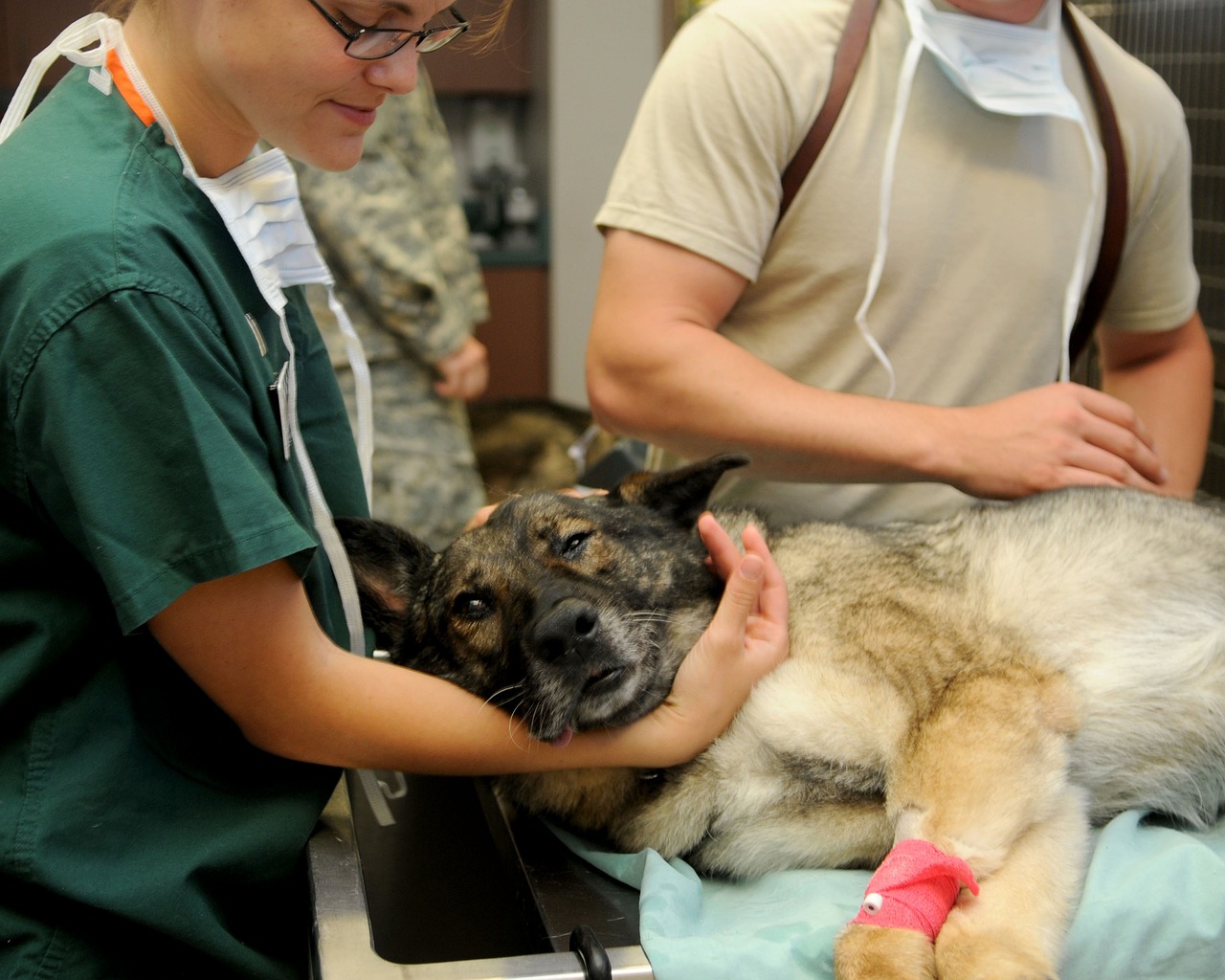
Maxillofacial fractures in horses present unique challenges for veterinary clinics, impacting both treatment strategies and long-term outcomes. These fractures can arise from various situations, such as accidents, falls, or fights, necessitating immediate and effective intervention. Understanding the long-term outcomes and complications arising from these maxillofacial injuries is crucial for veterinarians, clinic staff, and practice owners.
Understanding Maxillofacial Fractures
The term “maxillofacial fractures” refers to broken bones in the facial region, particularly in the jaw and skull areas. Such injuries can significantly impact a horse’s ability to eat, drink, and perform. For veterinarians, accurate diagnosis through imaging techniques is essential. Commonly used are X-rays and CT scans, which help evaluate the extent of the fracture and plan an appropriate surgical or non-surgical intervention.
Long-Term Outcomes of Maxillofacial Fractures
Research indicates that long-term outcomes for horses with maxillofacial fractures vary widely. Factors like age, fracture type, and treatment method profoundly influence recovery trajectories. For example, horses receiving timely surgical intervention generally show favorable outcomes compared to those treated conservatively. Moreover, complications such as malocclusion or chronic pain can arise, emphasizing the need for ongoing evaluation and management post-recovery.
Veterinarians must communicate clearly with horse owners regarding expected outcomes and complications. Educating owners about potential long-term issues helps in setting realistic expectations and improving compliance with rehabilitation protocols.
Surgical Interventions and Rehabilitation
Maxillofacial surgery involves techniques that can be complex and require specialized skills. Surgeons must be proficient in using plates, screws, or wires to stabilize fractures effectively. Post-operative care plays a critical role in successful recovery, necessitating a strong collaboration between the veterinary team and the horse owner to ensure proper rehabilitation.
- Regular follow-ups are essential to monitor healing.
- Diet adjustments may be required to accommodate the horse’s recovery process.
- Pain management should be prioritized to prevent long-term issues.
Considerations Across Veterinary Roles
Diverse veterinary roles face unique challenges when managing maxillofacial fractures. For instance, urgent care veterinarians may need to stabilize a horse quickly in emergency situations. In contrast, veterinary internal medicine specialists will play a pivotal role in managing any underlying health conditions that could complicate recovery.
Shelter veterinarians must often consider the cost implications of treatment, balancing care with the financial capabilities of horse owners. Therefore, having a comprehensive approach that aligns with both clinical efficacy and practice sustainability is paramount across all veterinary roles.
Industry Trends and Best Practices
The veterinary community is increasingly focusing on enhancing surgical techniques and patient outcomes. Advances in technology, such as 3D imaging, help plan more accurate surgeries. Moreover, ongoing education and training for veterinary staff can improve knowledge surrounding maxillofacial fractures, ultimately leading to better patient care.
Veterinarians should stay updated with the latest research and guidelines concerning equine surgeries. This not only improves patient outcomes but also keeps practices aligned with current industry standards. Additionally, integration of telemedicine can facilitate remote consultations, benefiting both veterinarians and horse owners alike.
Conclusion
In summary, understanding the management of maxillofacial fractures in horses is essential for veterinarians and clinic staff. Improved surgical techniques, ongoing education, and informed communication with horse owners will enhance patient outcomes. At Pulivarthi Group, we recognize the importance of accessing the right talent for veterinary clinics, from general practice veterinarians to board-certified veterinary internal medicine specialists. By fostering connections with highly skilled professionals, we support your clinic in delivering exceptional equine care and ensuring long-term success.