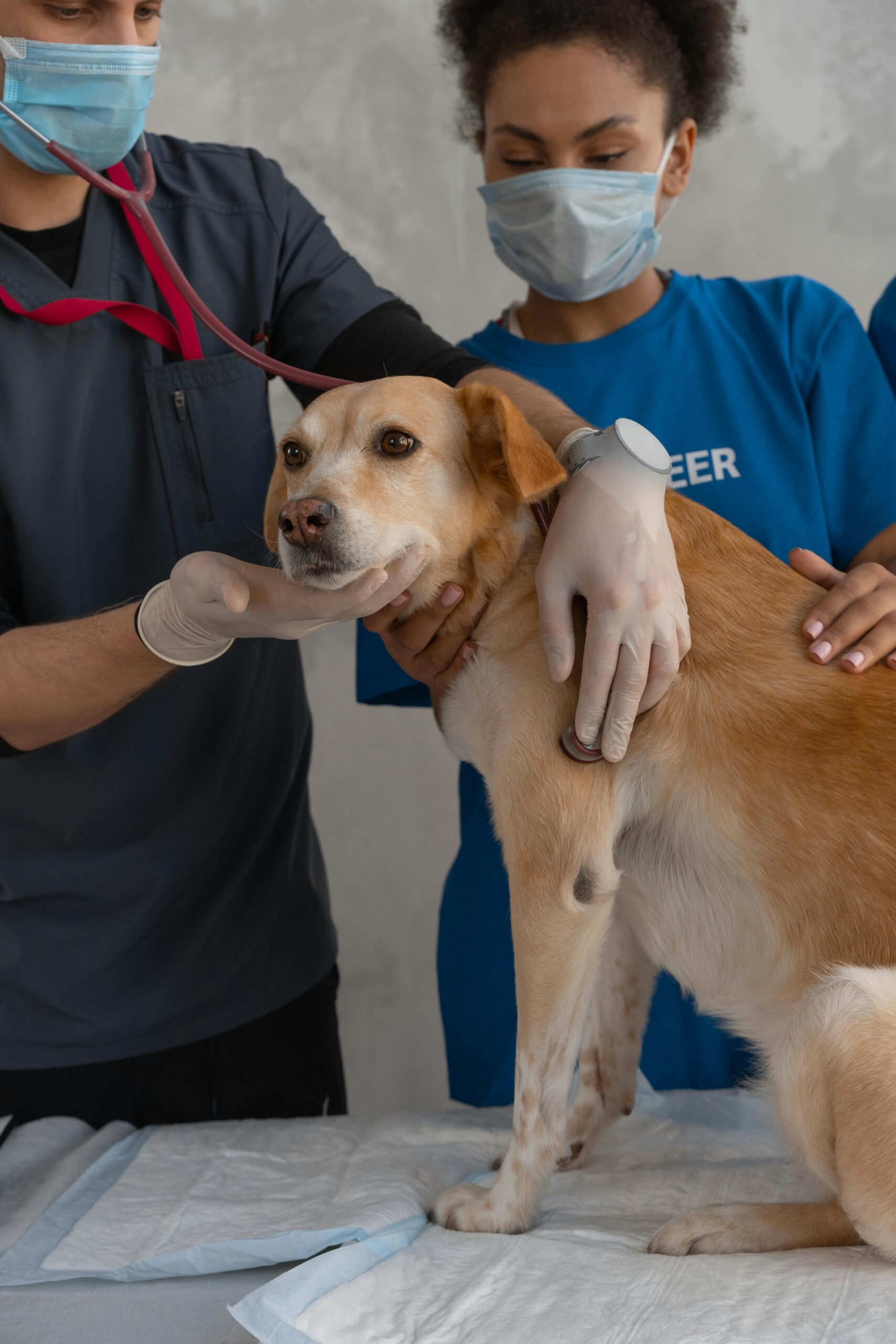
Managing canine diabetes presents significant challenges for veterinary clinics, especially concerning the use of basal insulins. Many pet owners perceive diabetes management as complex and costly, leading to high euthanasia rates. With current advancements in insulin formulations, addressing these challenges has never been more vital. This blog aims to highlight how new options in basal insulin can improve patient care and enhance owners’ compliance with treatment regimes.
Understanding Basal Insulins and Their Role in Canine Diabetes
Basal insulins control blood glucose levels consistently throughout the day. They work by maintaining a minimum level of insulin in the bloodstream, which is crucial for dogs diagnosed with diabetes mellitus. For veterinary professionals, understanding the various types of basal insulins is essential to recommend the best treatment plans for their patients.
- Detemir insulin: Known for its long-acting properties.
- Glargine insulin: Another long-acting insulin effective for stable blood glucose control.
- NPH insulin: A more traditional option with intermediate action.
Each type has specific advantages and complications. For example, Glargine insulin allows for more stable blood sugar control, which can enhance the overall quality of life for diabetic dogs.
Challenges in Managing Canine Diabetes
One prevalent challenge in veterinary clinics is the management’s perceived complexity and cost. Many pet owners may feel overwhelmed by the prospect of administering insulin injections, monitoring glucose levels, and ensuring dietary consistency. As a result, some may consider euthanasia as an alternative.
This concern is particularly acute in roles such as General Practice and Urgent Care Veterinarians, where time constraints make thorough counseling difficult. Emergency Veterinarians often encounter cases of mismanaged diabetes, highlighting the necessity for continual education on insulin management.
Implications for Veterinary Practices
Veterinary clinics must improve client communication regarding diabetes management. Providing clear, understandable resources about basal insulin can foster owner confidence. Utilize various educational formats, such as brochures, online resources, or in-clinic seminars, to demystify the treatment process.
Moreover, implementing a follow-up system can facilitate better adherence to treatment plans. Checking in with owners through phone calls or digital platforms can reassure them and address any questions or complications.
Current Advancements in Insulin Formulations
The veterinary industry is witnessing an evolution in insulin formulations, improving the management of conditions like canine diabetes. Advances include the development of insulin that offers more predictable absorption and fewer side effects. These innovations can reduce the challenges veterinarians face in clinical practice.
As a result, clinics that adopt these new formulations may see improved patient outcomes. They can offer more effective treatments for various diabetic conditions, thus retaining clients who seek quality healthcare for their pets.
Conclusion
Optimizing the management of canine diabetes with basal insulins presents an opportunity for veterinary clinics to enhance patient care and owner compliance. As innovations in insulin formulations continue to emerge, staying updated is crucial for veterinary professionals across all specialties. Pulivarthi Group understands the importance of both clinical knowledge and operational efficiency in veterinary practices. Our agency supports clinics by providing access to skilled professionals, from Associate Veterinarians to Board-Certified Veterinary Internal Medicine Specialists (DACVIM), ensuring that your practice can effectively manage challenging cases like canine diabetes. Together, we can work towards improving the quality of care given to our furry companions, ultimately lowering euthanasia rates and enhancing their lives.