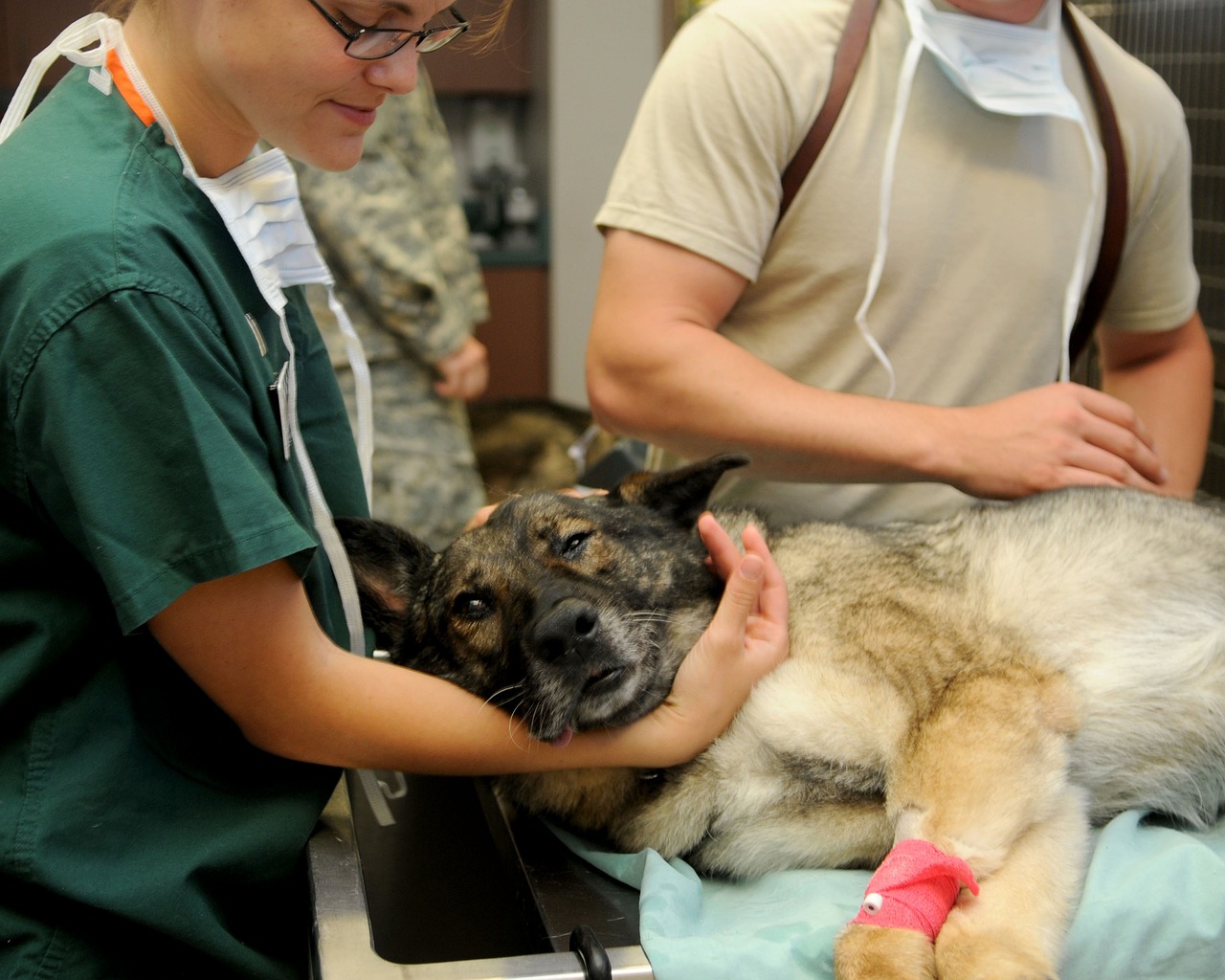
Understanding Canine Chronic Inflammatory Enteropathy
Canine chronic inflammatory enteropathy (CCIE) is a significant health concern for veterinary clinics across North America. This condition presents unique challenges in diagnosis and management for veterinarians and clinical staff. Updated veterinary guidelines provide essential insights to enhance patient care and streamline operational efficiency in clinics. As we delve into these guidelines, we’ll explore clinical implications for both general practice and specialty roles.
Key Challenges in Diagnosing CCIE
Diagnosing canine chronic inflammatory enteropathy can be complicated. The clinical signs often overlap with other gastrointestinal diseases. As a result, veterinarians must utilize a stepwise diagnostic approach. This includes comprehensive history taking, physical examination, and appropriate diagnostic tests such as endoscopy or histopathology. Awareness of these protocols can reduce diagnostic error and improve outcomes.
Moreover, understanding the varied presentations of CCIE is crucial. For example, general practice veterinarians might encounter early-stage cases, while emergency veterinarians may see more advanced conditions. Hence, every member of the clinical team must stay informed about the latest guidelines and techniques for managing CCIE.
Management Strategies for CCIE
Management of canine chronic inflammatory enteropathy typically involves dietary interventions and medical therapies. Recent updates emphasize an individualised approach to treatment. Initially, dietary modification to a highly digestible or hydrolyzed protein diet is often recommended. This is followed by the gradual introduction of other foods. This strategy can aid in identifying problematic ingredients.
In addition, pharmacological options may include immunosuppressive drugs and anti-inflammatory medications. Emergency veterinarians must be particularly vigilant. They often manage cases that require prompt intervention due to severe symptoms. Coordination with veterinary internal medicine specialists can optimize patient outcomes and support clinical decisions.
The Role of Multidisciplinary Collaboration
Collaboration among veterinary professionals enhances the management of canine chronic inflammatory enteropathy. For instance, mixed animal veterinarians can provide insights on how CCIE impacts various species, particularly when managing food animals. Shelter veterinarians often deal with chronic cases in the context of limited resources, making effective management strategies even more critical.
Moreover, community medicine veterinarians play a vital role in public health. They address diet-related issues prevalent in at-risk populations. Such collaborative efforts ensure comprehensive care for affected animals while also educating pet owners on CCIE.
Staying Current with Veterinary Guidelines
To effectively manage canine chronic inflammatory enteropathy, veterinary teams must stay updated with evolving guidelines. Following institutions like the American College of Veterinary Internal Medicine (ACVIM) is essential. This ensures that practices adopt emerging treatment modalities and diagnostic strategies.
Furthermore, attending workshops and continuing education courses can provide critical updates. Ensuring that all staff members, including associate veterinarians and clinical teams, engage in ongoing learning fosters a culture of excellence and improves overall patient care.
Conclusion
Canine chronic inflammatory enteropathy poses diagnostic and management challenges across the veterinary landscape. By adhering to updated guidelines and promoting collaborative patient care, veterinary clinics can improve treatment outcomes significantly. As you navigate these complexities, consider the role of Pulivarthi Group as a supportive partner in enhancing your clinical team. With access to a wide range of veterinary professionals—from general practice veterinarians to board-certified specialists—Pulivarthi Group is here to help you meet your staffing needs and deliver outstanding pet care.