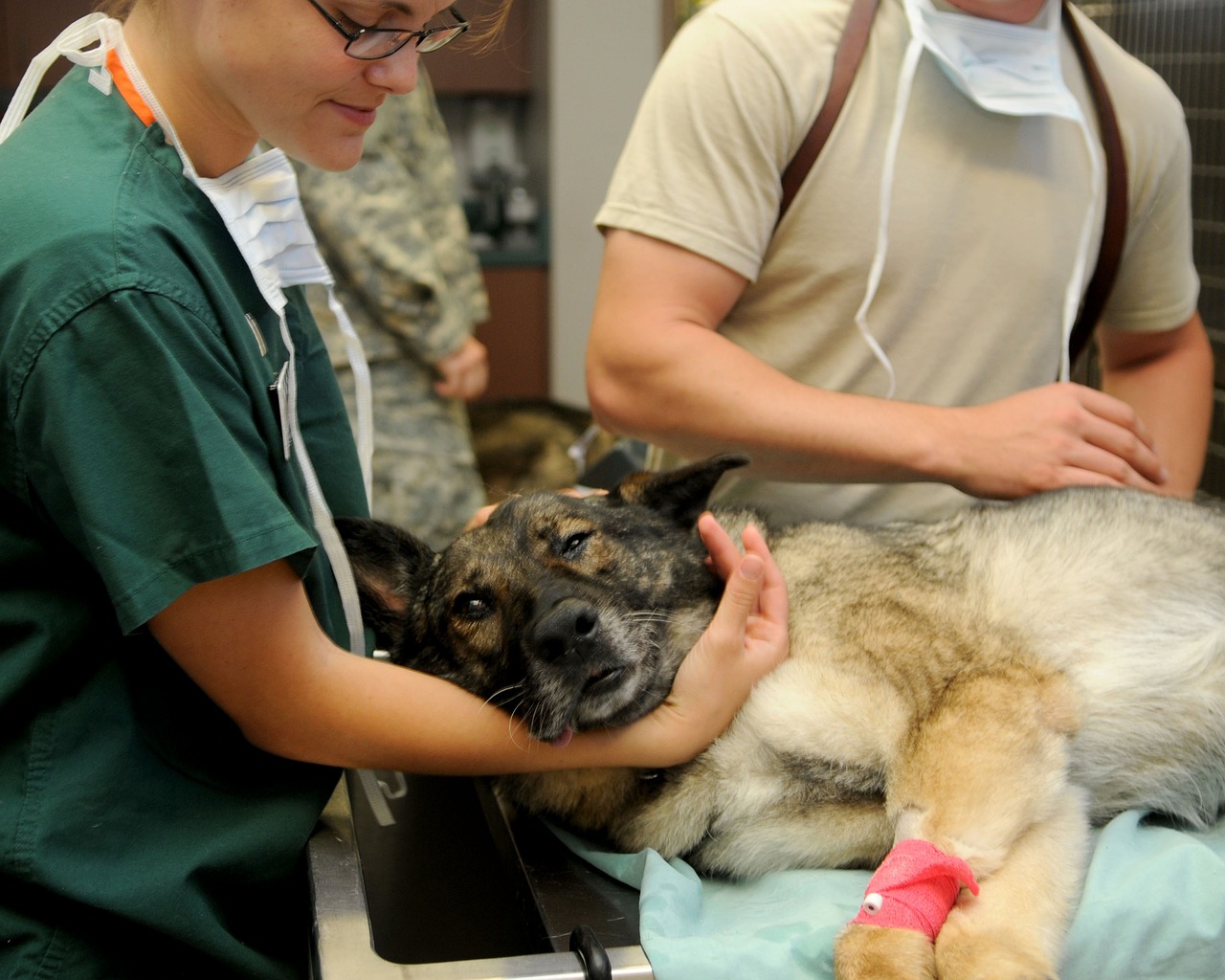
The veterinary industry faces a significant challenge when it comes to emergency management funding for veterinary supplies. Recently, a proposed federal bill aims to address this pressing issue by enabling emergency management funds specifically for veterinary supplies during disasters. This initiative is incredibly timely, given the ongoing discussions in the United States Congress. It’s critical for veterinary clinics to understand how this bill could enhance preparedness and response capabilities, ensuring better patient care during crises.
The Importance of Emergency Management Funding
Emergency management funding for veterinary supplies is essential for effective disaster response. In recent years, natural disasters and public health emergencies have highlighted the need for veterinary clinics to be adequately equipped. For example, hurricanes and wildfires can cause mass evacuations and strain resources. Veterinary clinics, including both general practice and emergency services, often find themselves unprepared when such events strike.
Currently, many clinics lack sufficient funding for essential supplies like vaccines, medications, and equipment needed during emergencies. The new bill would allocate resources to ensure that veterinary teams can provide necessary care without delay. Emergency veterinarians and those in urgent care settings particularly feel the impact of this lack of funding when immediate supplies are crucial for life-saving procedures.
Differing specialties within veterinary medicine face unique challenges relating to emergency preparedness. For instance, urgent care veterinarians often manage acute cases requiring immediate supplies, while mixed animal veterinarians may need diverse resources for various species. This bill could greatly benefit both by providing the necessary funds for essential supplies in advance of disasters.
A food animal veterinarian, who may deal with larger quantities of animals during emergencies, will also need access to veterinary supplies for herd assessments and treatments. Meanwhile, shelter and community medicine veterinarians support animals in vulnerable situations. Emergency management funding can greatly assist these professionals to ensure safety and continuity in their operations during crises.
Legislation and Its Implications for Veterinary Care
Understanding this legislative measure is essential for all veterinary clinics. The bipartisan nature of the bill indicates broad support for enhancing veterinary emergency preparedness. But why is this important? Because well-prepared clinics can mitigate the impact of disasters on animal health and public safety. This is particularly true for specialty roles such as veterinary internal medicine specialists, who may require immediate access to specific supplies.
The practical implications of this bill extend beyond just funding. Veterinary clinics will need to create operational frameworks to make the best use of these funds. Training staff in emergency preparedness and establishing supply chains can be enhanced as a result of clearer funding pathways. The increased awareness surrounding this bill drives home the necessity for proactive measures in veterinary care.
The proposed bill regarding emergency management funding for veterinary supplies represents a pivotal advancement for our industry. It addresses key challenges faced by clinics, ensuring that veterinarians can provide timely and effective care in emergencies. By advocating for this legislation, veterinary professionals can help secure the resources needed for successful disaster response.
The Pulivarthi Group recognizes the vital role that well-trained veterinary personnel play in disaster situations. We strive to support veterinary clinics in their staffing needs across a variety of roles including Associate Veterinarian, Emergency Veterinarian, and Veterinary Internal Medicine Specialist. Together, we can ensure that our industry is prepared to meet any crisis head-on, reinforcing the health and welfare of the animals we serve.