Gastrointestinal surgery represents a significant area of focus in veterinary practice. The outcomes of these procedures depend heavily on our approach to surgical techniques. For veterinary clinics, understanding the nuanced aspects of gastrointestinal surgery can dramatically enhance patient care. This post will explore critical suture techniques and leak prevention, paramount for achieving successful surgeries.
Understanding Key Challenges in Gastrointestinal Surgery
Veterinarians face various challenges during gastrointestinal surgeries. One of the primary concerns involves managing blood flow to avoid complications. Moreover, preventing leaks post-surgery is crucial to patient recovery. Procedures such as resections, anastomoses, and foreign body removals require precision. For example, any gap in suturing can lead to anastomotic leaks, resulting in significant morbidity.
Essential Suture Techniques for Success
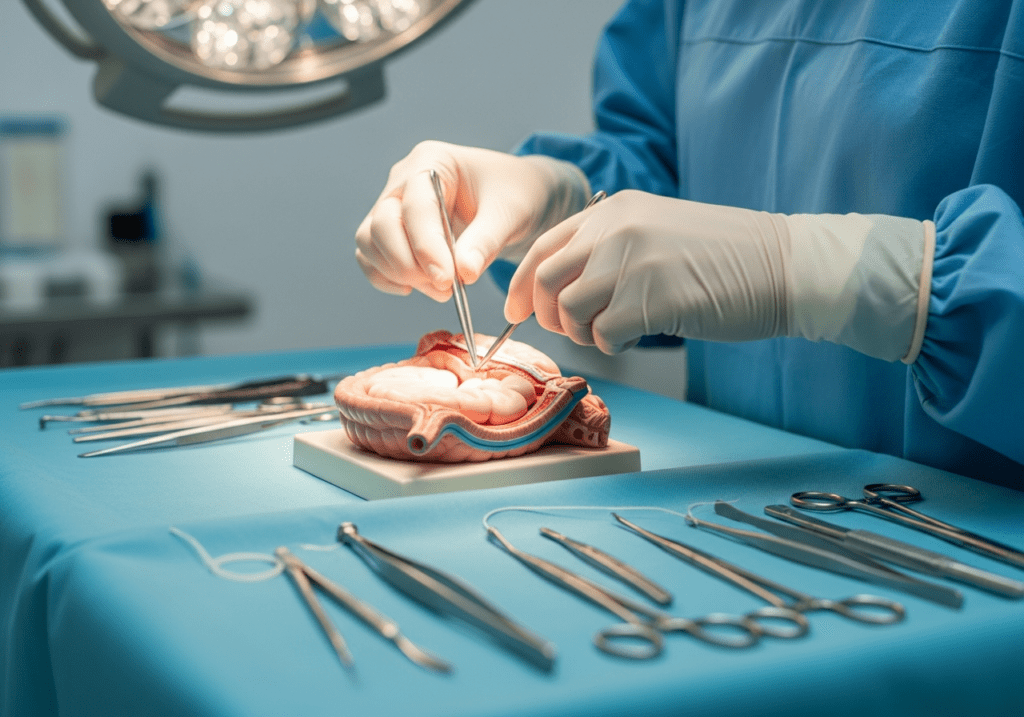
When performing gastrointestinal surgeries, selecting appropriate suture techniques is vital. Metrics such as tissue type, vascularity, and the specific procedure performed all impact suture choices. For instance, using a continuous pattern may provide better tension distribution, while individual sutures can offer precise control. Techniques such as the simple interrupted or continuous pattern each have pros and cons that you must weigh.
- Simple Interrupted: Provides ease of placement and allows for correction if one suture fails.
- Continuous Pattern: Facilitates faster closure times but requires careful tension management.
- Inverting Techniques: Can help appose tissue and minimize the risk of leaks, especially in the colon.
Each technique serves different scenarios. Urgent care and emergency veterinarians may prioritize speed without compromising the integrity of the surgical site.
Leak Prevention Strategies
Preventing leaks in gastrointestinal surgery requires a multifaceted approach. Firstly, selecting the right suture material is crucial. Monofilament sutures, while providing less friction, can reduce tissue trauma. In addition, ensuring that sutures are correctly placed and tied is essential. Many practitioners recommend a focused tension technique to avoid excess pressure on the anastomosis. Regular training on these techniques can help incorporate best practices across the clinical staff.
Evaluating Surgical Outcomes
Post-operative evaluations are necessary to determine the success of surgical procedures. Monitoring for any signs of infection, leaks, or complications plays a pivotal role. For veterinary internal medicine specialists, interpreting post-surgical tests can provide insights on recovery. For example, assessing white blood cell counts and the animal’s overall clinical picture can indicate the presence of complications early.
Conclusion
Mastering gastrointestinal surgery techniques is vital for enhancing patient care in veterinary clinics. By adopting effective suture methods and rigorous leak prevention strategies, veterinarians can improve surgical outcomes. Clinics looking to elevate their capabilities may benefit from collaborating with agencies like Pulivarthi Group. We specialize in connecting clinics with skilled professionals across various roles. From associate veterinarians to board-certified internal medicine specialists, we provide the talent needed to succeed in today’s veterinary landscape.