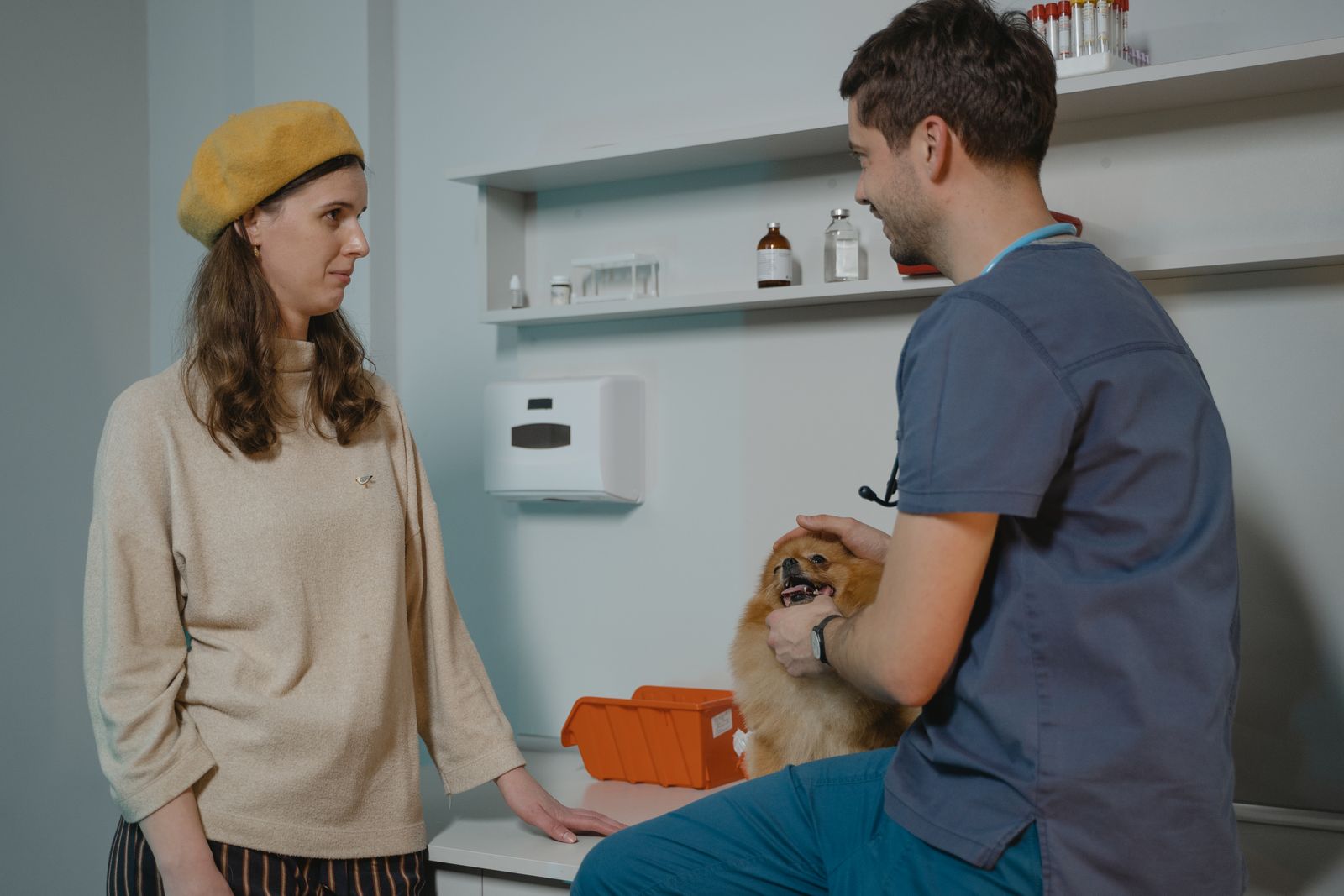
The H5N1 avian influenza strain, particularly the D1.1 variant, poses unique challenges for veterinary clinics across North America in 2024. Understanding its spread is crucial for ensuring animal health, public safety, and effective operational practices in clinics. As the associate veterinarians, emergency veterinarians, and shelter veterinarians approach this critical issue, they must stay informed about disease management and epidemiology.
Understanding H5N1 Avian Influenza
The H5N1 avian influenza, especially in its D1.1 form, affects both domestic and wild birds. The strain’s increasing prevalence can lead to severe health issues in avian populations. Moreover, it presents potential threats to mammals, including pets, and even humans. Consequently, veterinary clinics must address this pressing health concern.
Key Challenges for Veterinary Clinics
Practitioners are likely to encounter several challenges in managing the H5N1 strain’s implications:
- Diagnosis and Surveillance: Identifying H5N1 in animals requires vigilant surveillance and testing protocols. Effective diagnostic measures can help clinicians recognize infected animals promptly.
- Client Communication: Educating pet owners and livestock producers about the risks associated with avian influenza is essential. Notifying them of symptoms and preventive measures builds community awareness.
- Operational Efficiency: During an outbreak, clinics face increased patient loads and varied case presentations. Efficient management of resources and staff can mitigate the impact on service delivery.
Impact on Various Veterinary Roles
Each veterinary role encounters H5N1 challenges differently:
- General Practice Veterinarians may need to handle routine screenings for clients who suspect their pets have been exposed to avian influences.
- Emergency Veterinarians often face acute cases of sick animals showing symptoms of avian influenza, requiring prompt intervention.
- Shelter Veterinarians must be vigilant about incoming animals from potentially contaminated environments, implementing quarantine protocols.
- Veterinary Internal Medicine Specialists can provide referrals for complex cases that require advanced diagnostics and treatment strategies.
Staying Informed and Prepared
Veterinary clinics play an essential role in managing the implications of the H5N1 avian influenza. Staying informed about current and emerging trends is vital. Clinics should prioritize continuous education to ensure staff are well-versed in detecting and managing potential outbreak scenarios.
Conclusion
As the map of H5N1 avian influenza D1.1 spreads across North America, the veterinary community must act decisively. The challenges presented require collaboration among veterinary professionals to safeguard animal health and public safety. Pulivarthi Group understands these complexities and is dedicated to supporting veterinary clinics in finding qualified professionals, including associate veterinarians, emergency veterinarians, and board-certified specialists. Together, we can enhance our collective response to this pressing health threat.