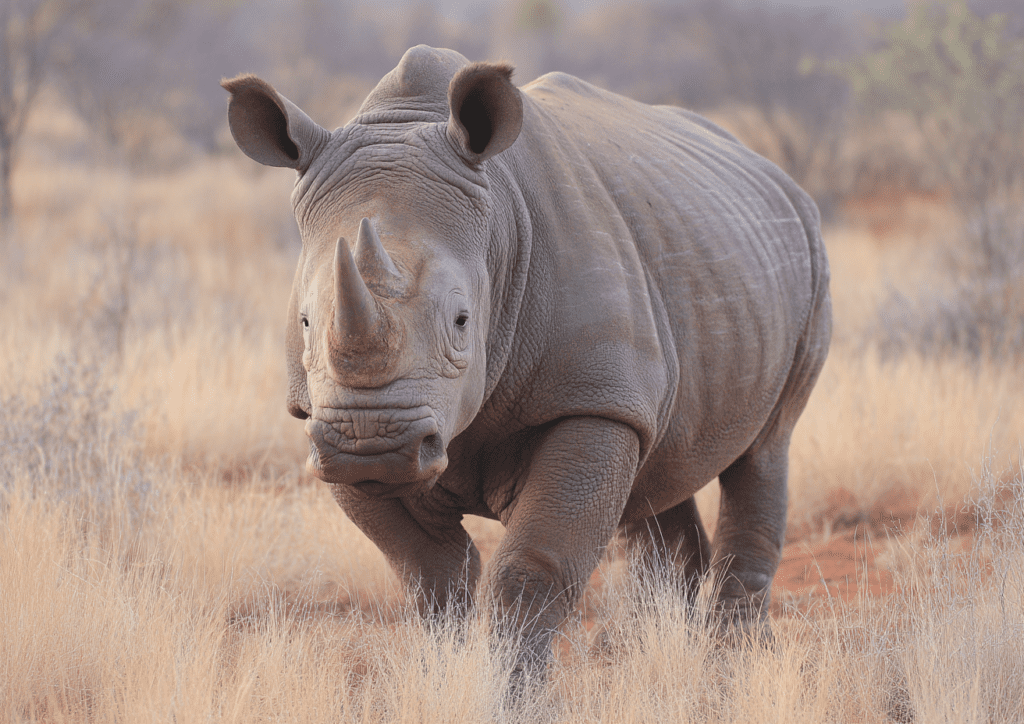
White rhinos face numerous conservation challenges, impacting their populations in Southern Africa. Veterinary clinics play a crucial role in their management. However, immobilization risks, respiratory compromise, and metabolic stressors pose significant challenges. Understanding these factors is essential for veterinarians involved in wildlife medicine. This blog post discusses the current veterinary challenges surrounding the immobilization of white rhinos and how clinics can address these issues.
Understanding Immobilization Risks
Immobilizing white rhinos is a delicate procedure. The process involves anesthesia, which carries inherent risks. For instance, respiratory compromise can occur due to the animal’s size and health condition. Rhinos possess a unique physiology which may complicate anesthesia management. Veterinarians need to monitor their patients carefully to avoid complications.
Moreover, various metabolic stressors come into play. These include temperature regulation and metabolic rate fluctuations, which can lead to disastrous outcomes during procedures. Thus, ensuring that your veterinary team is well-trained in these aspects is critical for successful immobilization.
Best Practices in Veterinary Medicine for White Rhino Care
Veterinary clinics should establish protocols for immobilization to enhance safety. Firstly, pre-anesthetic assessments are crucial. This assessment helps identify animals at greater risk of complications. Secondly, utilizing advanced monitoring equipment can ensure vital signs remain stable during procedures.
- Implement regular training sessions focusing on immobilization techniques.
- Utilize telemetry for real-time monitoring of heart rates and oxygen levels.
- Ensure a rapid response team is ready for emergencies during immobilization.
By prioritizing these practices, clinics can minimize the risks associated with immobilization and provide better care for white rhinos.
Collaboration and Education in Wildlife Conservation
Veterinary professionals must collaborate to share knowledge about immobilization and respiratory challenges in white rhinos. Attending workshops and conferences can facilitate this exchange. In addition, veterinary clinics can partner with wildlife conservation organizations to stay informed about best practices.
Moreover, staying updated on industry trends helps clinics adapt to evolving challenges in wildlife medicine. For example, understanding how climate change impacts rhino physiology is crucial for successful veterinary interventions. Therefore, continuous education and training are key components in overcoming challenges related to rhino conservation.
Conclusion
In summary, immobilizing white rhinos presents significant veterinary challenges, including immobilization risks, respiratory compromise, and metabolic stressors. By adopting best practices and fostering collaboration, veterinary clinics can improve patient outcomes in wildlife settings. The Pulivarthi Group recognizes the importance of these veterinary roles. Our agency helps clinics access specialized talent, whether you need an Associate Veterinarian or a Board-Certified Veterinary Internal Medicine Specialist (DACVIM). Together, we can work towards ensuring the welfare of white rhinos and enhance veterinary practices in the field.