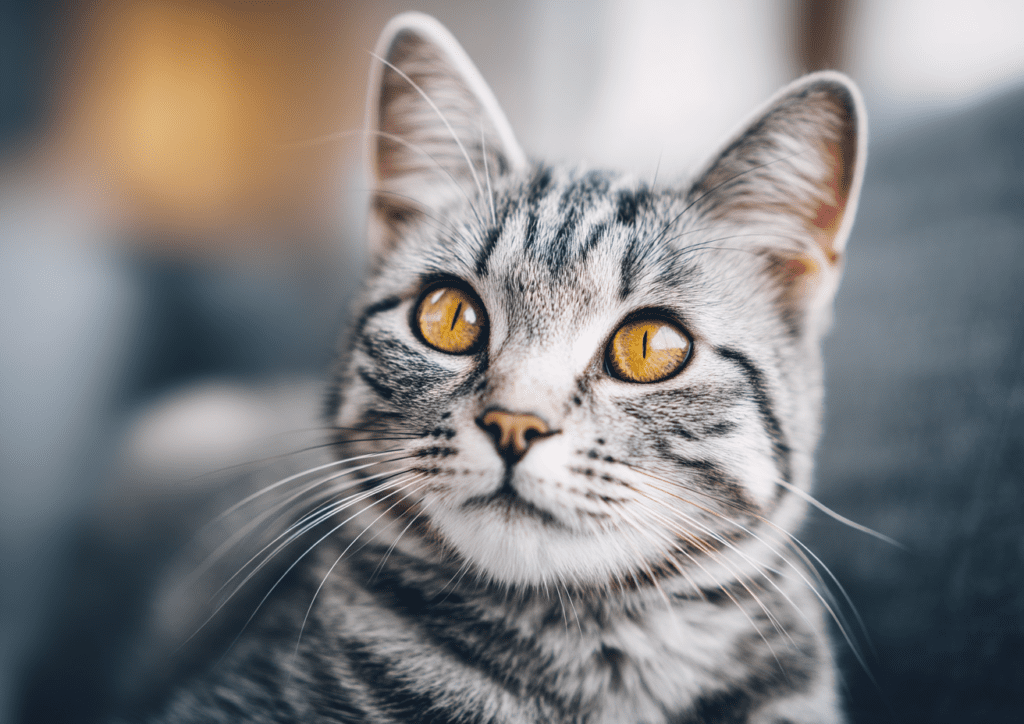
The management of feline behavioral conditions is an ongoing challenge for veterinary clinics globally. Understanding cat behavior is vital for veterinarians and clinical staff working to improve the health and well-being of their patients. These behavioral issues can significantly impact the relationship between pet owners and their cats. In this blog, we will discuss the complexities of feline behavior management and explore effective solutions for various roles within the veterinary industry.
Understanding Feline Behavioral Conditions
Feline behavioral conditions can manifest in numerous ways, including aggression, anxiety, and inappropriate elimination. Associate veterinarians and general practice veterinarians often encounter these issues frequently. In many cases, pet owners lack an understanding of their cats’ behavioral needs, which can result in frustration and strained relationships.
For urgent care and emergency veterinarians, these behavioral conditions can complicate clinical encounters. Recognizing that these issues could stem from underlying medical problems is crucial. Therefore, a collaborative approach between veterinarians and clinical staff is essential to assess both the physical and emotional health of feline patients.
Common Feline Behavioral Issues and Management Strategies
Addressing feline behavioral issues typically requires tailored strategies. Here are some prevalent conditions and their management:
- Aggression: Identifying triggers is key. Education about feline body language can empower pet owners to mitigate aggressive behaviors.
- Anxiety: Offering behavioral modification programs and discussing environmental enrichment techniques can significantly reduce anxiety in cats.
- Feline Inappropriate Elimination: A thorough assessment may reveal underlying medical issues. Rule out health problems before initiating behavioral interventions.
Veterinary internal medicine specialists, including board-certified veterinary internal medicine specialists (DACVIM), can offer insightful recommendations to include in treatment plans for complex cases.
Enhancing Owner-Pet Relationships
Creating a positive environment can drastically improve the well-being of cats and their relationships with their owners. Veterinary clinics can provide resources such as educational materials and behavioral workshops. These initiatives can foster a more profound understanding of feline needs among pet owners, leading to better care.
Furthermore, community medicine veterinarians and shelter veterinarians play a crucial role in addressing feline behavioral conditions by providing public education and support to new cat owners. They can foster awareness of the importance of early behavioral assessments, which can prevent issues from escalating.
Operational Efficiency in Managing Feline Behavior
Operational efficiency in veterinary clinics is essential when addressing feline behavioral conditions. Implementing structured behavior assessments in routine examinations can streamline the management process. Clinics should also consider hiring specialized staff, such as animal behaviorists or certified feline practitioners, to enhance service offerings.
Additionally, collaboration among team members ensures a holistic approach to behavior management. Regular training for veterinarians and staff on feline behavior can enhance clinical interactions, foster better patient care, and improve client satisfaction.
Conclusion
Managing feline behavioral conditions requires a thorough understanding and an integrated approach. Veterinary clinics must prioritize education, resource provision, and operational efficiency to address these challenges effectively. The Pulivarthi Group can assist veterinary clinics in this journey by helping them recruit specialized talent, including associate veterinarians, general practice veterinarians, and behavior specialists. Partnering with Pulivarthi Group equips clinics with the right expertise to enhance feline behavior management, ultimately improving the quality of care for both veterinarians and pet owners.