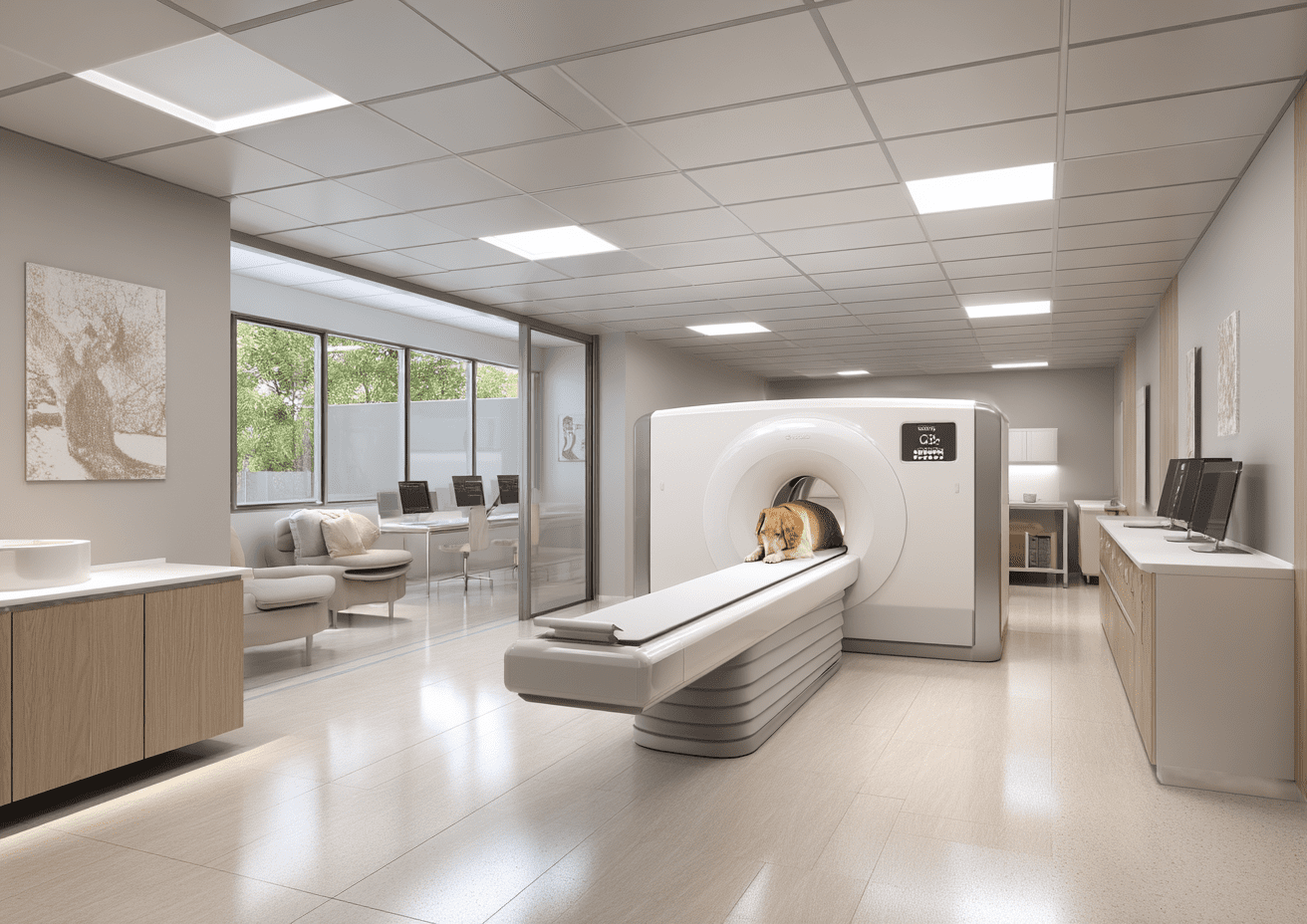
In the dynamic field of veterinary healthcare, managing emerging diseases has become increasingly critical. Veterinary clinics must remain vigilant against diseases that can affect both animal and human health. This relevance is heightened by the ongoing interconnection between animal health and public health. By understanding the challenges and employing effective strategies, veterinary professionals can significantly enhance disease management within their practices.
Understanding Emerging Diseases
Emerging diseases in veterinary medicine pose multifaceted challenges. These can include zoonotic diseases, antibiotic resistance, and vaccination failures. Emergency veterinarians and critical care veterinarians often face cases stemming from these issues. They need to be prepared for rapid diagnosis and treatment. Moreover, the increasing global movement of animals further complicates control measures.
Many factors contribute to the emergence of diseases. For instance, environmental changes and human-animal interactions are significant influencers. Monitoring these variables provides vital insight into disease patterns. Therefore, staying informed about the latest research is essential for all roles in veterinary practice.
Key Strategies for Effective Disease Management
Veterinary clinics can adopt various strategies to manage emerging diseases effectively. Firstly, implementing rigorous surveillance systems is essential for early detection. This may involve regular screening and updates on prevalent diseases in the area. In addition, creating a strong communication network within the clinic ensures prompt reporting and response to new disease cases.
Furthermore, continuing education on disease prevention strategies is vital. For example, shelter veterinarians and community medicine veterinarians can focus on educating clients about vaccination schedules and parasite control. This awareness helps in minimizing outbreaks and facilitates better patient care.
- Routine health checks for early disease detection.
- Development of client education programs on disease prevention.
- Collaboration with local health departments for surveillance data.
- Incorporation of technology for health record tracking.
Operational Efficiency in Addressing Disease Challenges
Optimizing operational efficiency within veterinary clinics plays a crucial role in disease management. Practice owners and managers must streamline processes to enhance response capabilities. This can be achieved through effective scheduling, resource allocation, and staff training.
Implementing a triage system in emergency veterinary settings improves patient flow. Moreover, mixed animal veterinarians can develop a protocol to prioritize cases based on urgency. Ensuring that team members understand their roles leads to better outcomes during high-pressure situations.
Staying Ahead of Industry Trends
Staying informed about industry trends is vital for veterinary clinics aiming to combat emerging diseases. Attending conferences and participating in webinars are excellent ways for veterinarians and clinical staff to gain insights. For example, advancements in biotechnology and telemedicine are revolutionizing how veterinary care is delivered.
Additionally, understanding regulatory changes related to animal health can guide best practices. Ensuring compliance with evolving regulations protects both the practice and the patients. Therefore, regular training sessions can facilitate this understanding smoothly across all roles.
Conclusion
Effective disease management in veterinary healthcare is an ongoing challenge that requires continuous learning and adaptation. As veterinary professionals, it is crucial to incorporate emerging disease strategies into daily operations. Partnering with agencies like the Pulivarthi Group can further enhance clinic capabilities. They can help veterinary clinics access hard-to-find talent across various roles, including Associate Veterinarian, General Practice Veterinarian, and Veterinary Internal Medicine Specialist. By collaborating, clinics can ensure they are well-equipped to confront the challenges of emerging diseases, ultimately improving patient care and operational resilience.