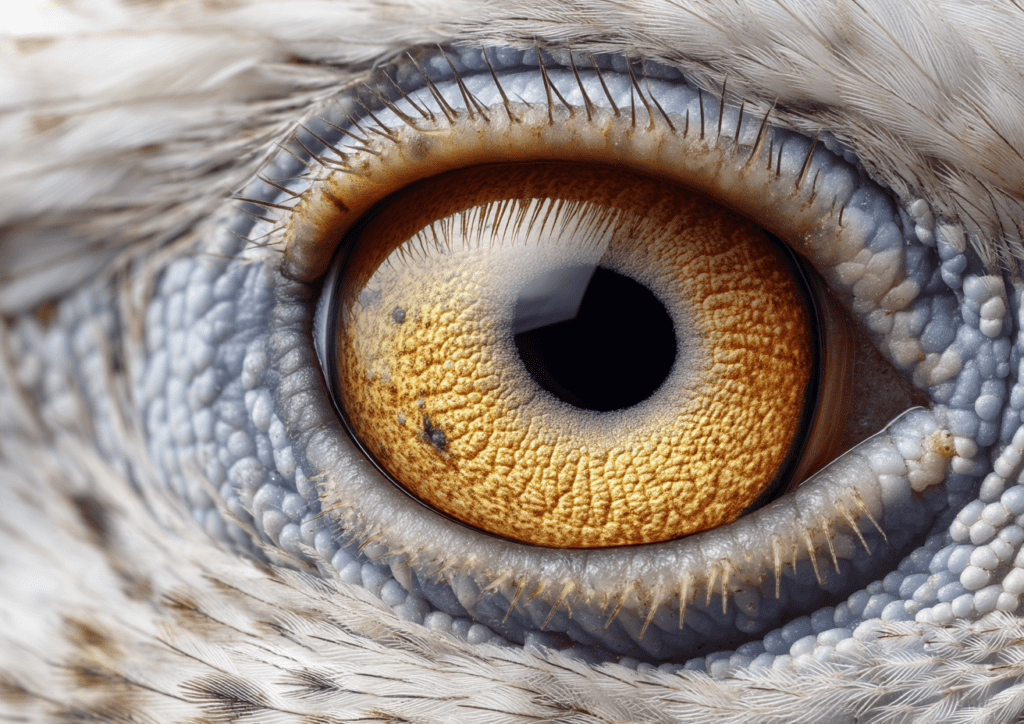
In recent years, the popularity of backyard chickens has surged across the United States. This growth in poultry ownership brings several rewards, including fresh eggs and companionship. However, it also elevates the importance of understanding and managing ectoparasites that can threaten the health of these flocks. Veterinary clinics play a crucial role in providing guidance on the common ectoparasites affecting backyard chickens, as well as effective management strategies.
Common Ectoparasites Affecting Backyard Chickens
Backyard chickens are susceptible to a variety of ectoparasites. Understanding these pests is vital for maintaining healthy flocks. Some of the most common ectoparasites include:
- mites: These tiny insects can cause significant discomfort and health issues for chickens.
- lice: Lice can lead to feather loss and decreased egg production.
- fleas: Although less common, fleas can infest chickens and their living environment.
These ectoparasites can lead to secondary infections, resulting in severe health impacts. For example, feather loss caused by mites can reduce a chicken’s ability to regulate body temperature, exposing them to stress and potential health crises.
Treatment Regulations and Considerations
Veterinarians need to stay updated on the treatment regulations related to ectoparasite management. Treatments often vary based on the type of ectoparasite and the specific health needs of the chickens. For instance, some treatments may have waiting periods before eggs can be harvested, presenting unique challenges for poultry owners.
Veterinary clinics should foster strong relationships with local poultry owners, helping them navigate these guidelines. By providing education on the timing and methods of treatments, clinics can ensure the health and compliance of the flock.
Strategies for Managing Ectoparasites
Here are some effective strategies clinics can recommend to poultry owners for managing ectoparasites:
- Regular Monitoring: Encourage owners to regularly check their chickens for signs of ectoparasites.
- Environment Management: Promote cleanliness in living spaces to minimize pest infestations.
- Veterinary Consultations: Urge owners to consult with veterinarians for management plans tailored to their specific circumstances.
Veterinarians, particularly those specializing in poultry care, can provide crucial insights into recognizing the symptoms caused by ectoparasites. This helps create a preventive strategy aligned with the unique needs of each flock.
Industry Trends and Emerging Challenges
With the increasing prevalence of backyard poultry ownership, the awareness of ectoparasites is becoming more pressing. Associated challenges include the rise in ectoparasite populations and the evolving treatment regulations. Veterinary clinics must adapt to these trends by enhancing their educational resources and outreach initiatives.
For instance, clinics could organize workshops for local poultry owners, highlighting best practices for ectoparasite detection and treatment. This proactive approach not only benefits the birds but also strengthens community ties and fosters a culture of responsible poultry ownership.
Conclusion
Managing ectoparasites in backyard chickens requires a collaborative effort from veterinarians, clinic staff, and poultry owners. By understanding the common ectoparasites, their health impacts, and effective management strategies, veterinary clinics can become indispensable partners in ensuring the well-being of these flocks. As a leading staffing partner, Pulivarthi Group supports veterinary clinics by connecting them with skilled professionals across various roles, including Associate Veterinarians and Board-Certified Veterinary Internal Medicine Specialists. Together, we can enhance poultry health and champion responsible pet ownership.