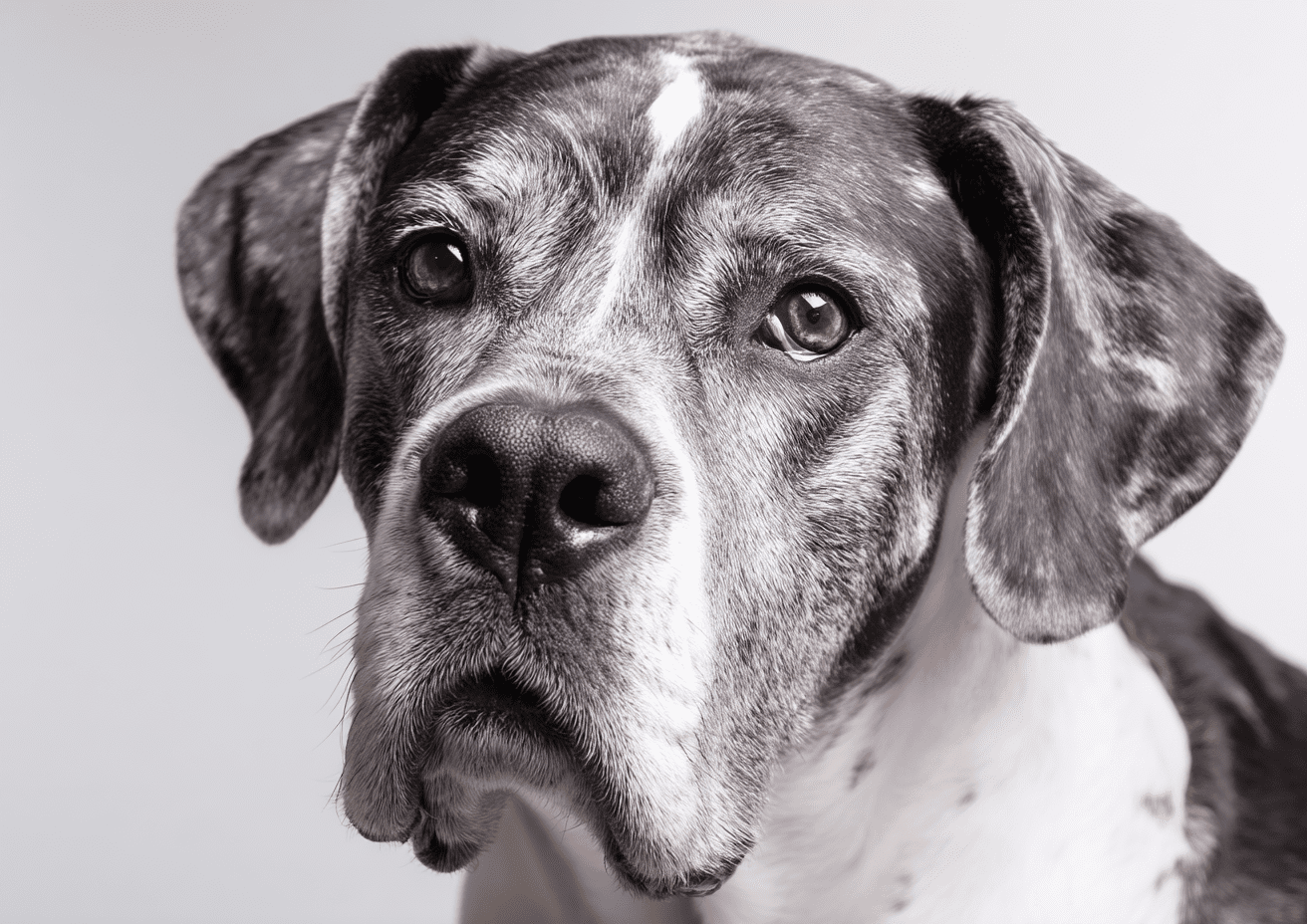
Aging is a significant factor that affects animal health and well-being. Understanding animal aging as a modifiable risk factor is crucial for veterinary clinics aiming to optimize patient care. As pets live longer lives, veterinarians must adapt their practices to address the unique needs of geriatric patients. This post explores actionable strategies that can enhance the longevity and quality of life for these animals.
Understanding the Impact of Aging
Animal aging influences various health conditions. Common issues such as arthritis, dental disease, and organ dysfunction become more prevalent as animals age. Therefore, recognizing the signs of aging and its impact on patient care is essential for veterinary teams. For instance, an Associate Veterinarian in a general practice should prioritize routine geriatric screenings for all older pets. In addition, tailored treatment plans can help manage chronic conditions arising from aging.
Implementing Geriatric Care Protocols
Veterinary clinics must develop and implement protocols focused on geriatric care. This involves:
- Regular health screenings specific to older animals.
- Nutrition management tailored to aging pets.
- Pain management strategies that are effective for chronic conditions.
- Incorporating client education about aging signs and symptoms.
Practices should also consider utilizing technology, such as electronic health records, to track age-related health trends over time. This data can provide essential insights for clinical staff, enabling more proactive care approaches.
Specialized Roles in Geriatric Care
The challenges of managing aging in animals vary across veterinary roles. For example, an Emergency Veterinarian may encounter acute issues stemming from age-related problems. In contrast, a Veterinary Internal Medicine Specialist can focus on complex medical conditions that require advanced diagnostic capabilities. Developing partnerships across specialties ensures comprehensive care for elderly animals.
Creating Collaborative Care Teams
Effective aging management hinges on collaboration among the clinical team. Practice owners should foster a team environment that encourages open communication. For instance, pairing Critical Care Veterinarians with general practitioners can enhance quick decision-making for critical cases. Regular staff training on aging-related issues also equips the team to handle various scenarios, improving overall patient care.
Industry Trends Affecting Veterinary Practices
Staying informed on industry trends can guide practices in adapting their approaches to aging. For instance, as veterinary medicine embraces telehealth, practices can offer remote consultations for geriatric patients who may find travel stressful. This flexibility not only enhances patient comfort but also broadens access to care for senior pets.
Conclusion
Managing animal aging is not merely a necessity; it is an opportunity for veterinary clinics to enhance patient outcomes. By introducing effective aging management strategies, practices can improve the health and longevity of geriatric patients. Pulivarthi Group stands ready to partner with veterinary clinics in their quest for high-quality talent. Our commitment to connecting practices with skilled professionals across various roles reinforces your team’s ability to provide optimum care for aging animals. Together, let’s foster healthier, happier lives for our patients.