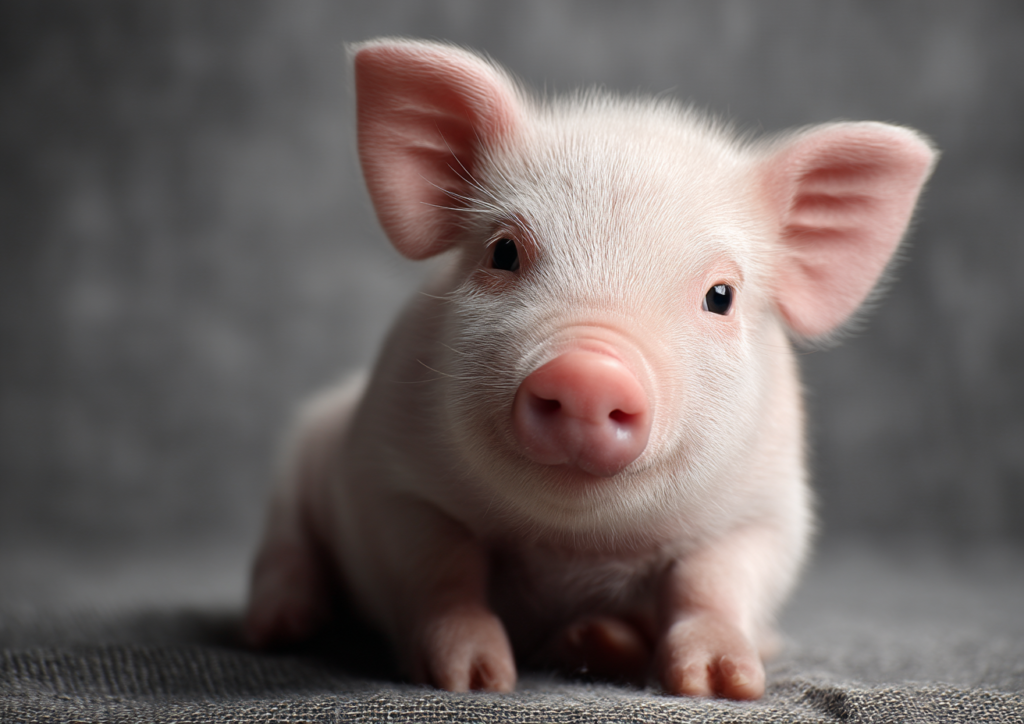
As the veterinary industry evolves, innovations in surgical techniques pave the way for better patient care. One such advancement is laparoscopic surgery, particularly for companion pigs. This minimally invasive technique presents an opportunity for veterinarians to enhance surgical outcomes while reducing complications. Understanding the implications of single incision laparoscopic ovariectomy and ovariohysterectomy is vital for veterinary clinics that cater to companion pig owners.
Understanding Laparoscopic Surgery for Companion Pigs
Laparoscopic surgery involves inserting a camera and instruments through small incisions, allowing veterinarians to perform surgeries with minimal trauma. For companion pigs, this technique, specifically in ovariectomy and ovariohysterectomy, offers several benefits. These procedures are crucial, especially for controlling reproduction and preventing health issues. With the rising popularity of pigs as companion animals, proficiency in these surgical methods has become increasingly relevant for various veterinary roles.
Key Challenges of Surgical Procedures in Different Breeds
Veterinarians face specific challenges based on the breed and health status of companion pigs. Complications can vary significantly across breeds. For example, certain breeds may have predispositions to anesthesia sensitivity or postoperative complications. Understanding these breed-specific responses is essential for delivering optimal patient care. As a result, ongoing education and familiarity with the latest surgical techniques are critical for veterinary surgeons, especially in educational settings like teaching hospitals.
Outcomes of Single Incision Laparoscopic Techniques
Recent findings highlight the effectiveness and safety of single incision laparoscopic techniques in companion pigs. Studies suggest that these techniques lead to fewer complications compared to traditional surgeries. In addition, laparoscopic surgery typically results in quicker recovery times, allowing patients to resume normal activities sooner. Furthermore, client satisfaction often increases due to less visible scarring and reduced discomfort. Veterinary clinics should consider how these outcomes impact their operational efficiency and patient care strategies.
Implications for Veterinary Clinics
Integrating laparoscopic surgery into veterinary practice requires careful consideration of both clinical and operational aspects. Clinics must ensure that their surgical teams are adequately trained. Furthermore, investing in appropriate equipment is crucial to successfully perform these procedures. Therefore, practice owners should evaluate their current capabilities and make necessary adjustments.
Additionally, the role of veterinarians varies within this context. For instance, General Practice Veterinarians may need to collaborate with specialists for more complex cases. In contrast, Emergency Veterinarians could apply these techniques in acute situations, particularly where rapid intervention reduces risks. As knowledge spreads, embracing these surgical innovations offers a competitive edge in patient services.
Conclusion
Adopting single incision laparoscopic techniques for surgeries in companion pigs exemplifies the innovations shaping the veterinary landscape. With reduced complication rates and improved patient outcomes, this method represents a significant advancement in veterinary care. The Pulivarthi Group understands the complexities involved in surgery and the importance of skilled professionals in your practice. As a partner in accessing hard-to-find talent, we can assist in filling various roles such as Associate Veterinarian, Emergency Veterinarian, and Veterinary Internal Medicine Specialist. By ensuring your clinic is equipped with the right expertise, you can focus on delivering exceptional care and keeping up with industry trends.