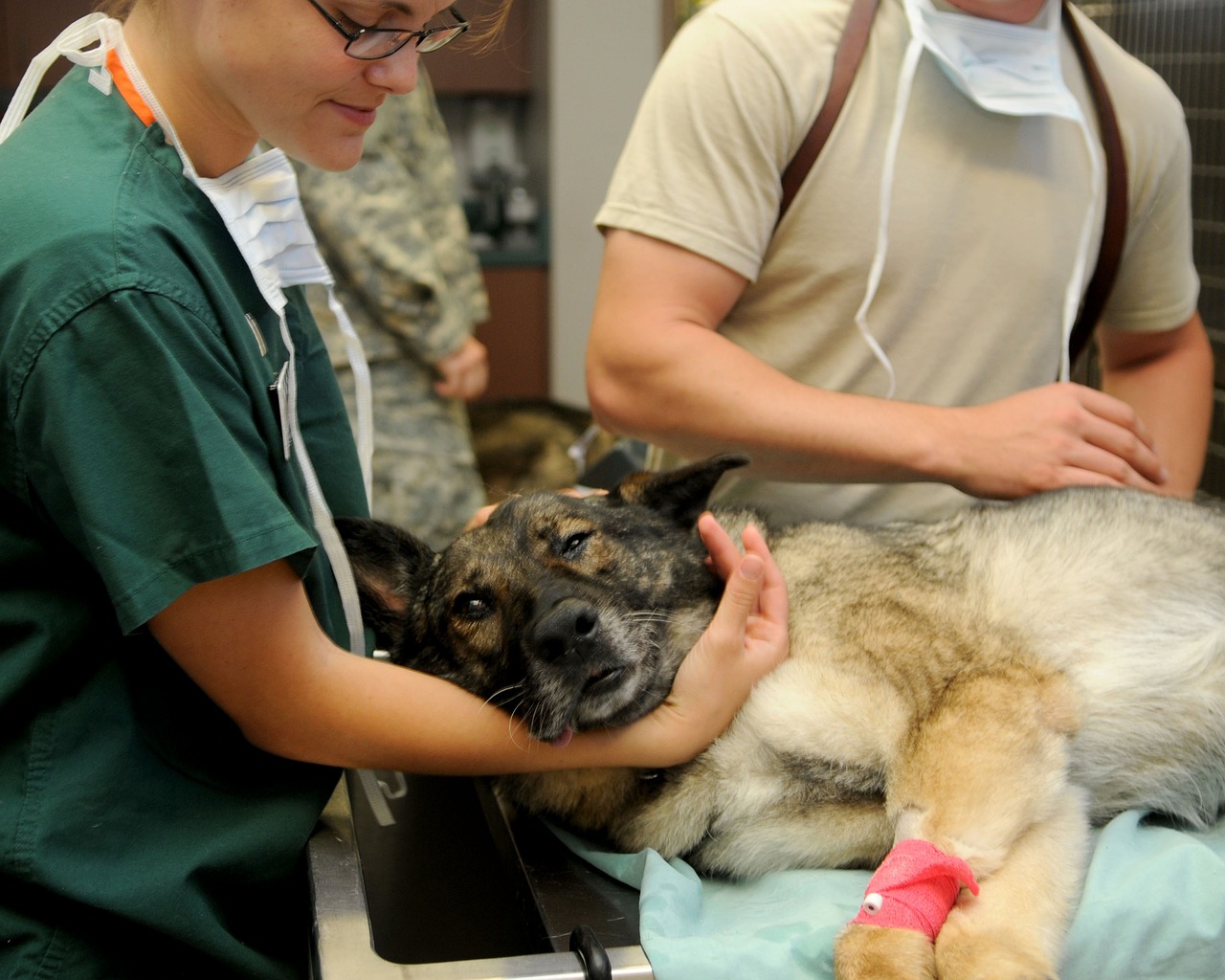
Managing maladaptive pain in veterinary patients poses a significant challenge for clinics across North America. Incorporating integrative medicine into pain management strategies can enhance patient care outcomes. This holistic approach blends traditional treatments with alternative therapies, providing a comprehensive framework for veterinarians in their daily practice.
Understanding Maladaptive Pain
Maladaptive pain often arises from chronic conditions, behavioral issues, or injury. Unlike acute pain, it persists even after the underlying cause resolves, leading to unnecessary suffering in pets. Thus, it becomes crucial for veterinary professionals to identify these patients and develop effective management strategies.
Integrative medicine not only addresses the symptoms but aims to improve the overall quality of life for pets. For example, a General Practice Veterinarian might combine conventional medications with acupuncture, herbal treatments, and physical therapy to manage a dog’s persistent joint pain. This multi-faceted approach can yield better results and reduce reliance on opioids.
Challenges Across Various Veterinary Roles
The approach to managing maladaptive pain can differ significantly between various veterinary roles.
- Urgent Care Veterinarians must quickly assess pain and initiate measures to alleviate distress. Their focus often remains on stabilizing the patient while considering longer-term pain solutions.
- Emergency Veterinarians frequently encounter acute exacerbations of chronic pain where immediate relief is crucial. Utilizing integrative therapies in a fast-paced setting may enhance patient outcomes and reduce recovery times.
- Critical Care Veterinarians face unique challenges as they manage patients with complex pain scenarios, warranting advanced, integrative protocols tailored for severe cases.
Implementing Integrative Medicine Techniques
Veterinarians can implement various integrative medicine techniques to manage pain more effectively. Here are some approaches worth considering:
- Acupuncture: This technique can stimulate the nervous system, helping to reduce pain sensation.
- Chiropractic Therapy: Adjustments may relieve pressure on nerves, thus alleviating discomfort.
- Nutrition: Diet plays a vital role in managing inflammation. Tailoring nutrition can complement pain management strategies.
- Physical Rehabilitation: Incorporating structured exercises helps restore mobility and combat pain-related issues.
- Herbal Supplements: Certain herbs can support pain management without the side effects of pharmaceuticals.
Future Trends in Veterinary Pain Management
The veterinary profession is moving toward a more holistic approach to patient health. The demand for integrative medicine is rising as clients become more aware of alternative therapies. Furthermore, community medicine veterinarians often advocate for these methods, emphasizing preventive care in managing chronic conditions.
As research continues to illuminate the benefits and effectiveness of these methods, veterinarians will increasingly seek to integrate them into standard practice. Regular workshops and training sessions on pain management techniques will equip clinical staff with the knowledge they need to implement these strategies.
Conclusion
Integrative medicine offers a promising path to effectively manage maladaptive pain in veterinary patients. By exploring these alternative strategies, veterinarians can enhance patient care while addressing the unique challenges of their roles. The Pulivarthi Group understands the importance of this evolving field. We provide veterinary clinics with access to skilled professionals across various disciplines—including Associate Veterinarians, Emergency Veterinarians, and Board-Certified Veterinary Internal Medicine Specialists. Together, we can enhance care methodologies and meet the growing demands of veterinary medicine.